Can Power Tools Get Wet The Definitive Answer Inside
So, can power tools get wet? The short answer is: it depends on the tool and the situation. Many power tools are not designed to handle water, and exposing them to moisture can cause serious damage or even dangerous shocks. However, some tools are built with water-resistant housings and can handle a splash or light rain. In this guide, we break down everything you need to know about power tools and water, from safety risks to protection tips.
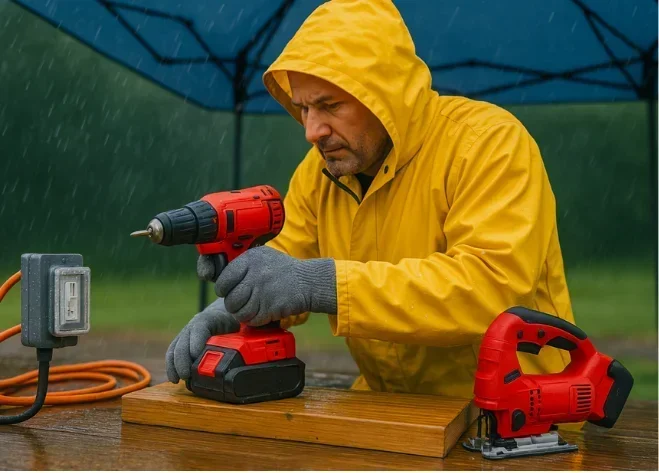
You are in the middle of a project. The weather takes a turn. Rain starts pouring. Or maybe you are working outdoors and a sprinkler goes off. Your power tools are right there, and now they are getting wet.
It is a scary moment. You probably wonder, can power tools get wet without breaking? Is it safe to keep using them? What happens if water gets inside the motor?
These are really good questions. And the answers are not always what you expect. Some power tools can handle a little moisture. Others will suffer serious damage from even a small splash. More importantly, using wet power tools can put you at risk of electric shock or injury.
In this definitive guide, we answer the question can power tools get wet once and for all. We will cover what happens when tools get wet, which tools handle water better, how to protect your equipment, and the safety steps you must take. Whether you are a DIYer or a professional, this guide has the answers you need.
Let us get into it.
Key Takeaways
- Most power tools are NOT waterproof: Water can cause short circuits, rust, and motor damage.
- Some tools have water-resistant ratings: Look for IP ratings to know how well a tool handles moisture.
- Always dry wet tools immediately: Leaving tools wet leads to long-term damage and safety hazards.
- Use protective covers and storage cases: Simple accessories can save your tools from water exposure.
- Never use electric power tools in standing water: The risk of electric shock is very real and dangerous.
- Battery-powered tools can handle light moisture better: But they still need protection from heavy water exposure.
- Regular maintenance prevents water damage: Keep your tools clean, dry, and stored properly.
📑 Table of Contents
- Can Power Tools Get Wet? Understanding the Basics
- What Happens When Power Tools Get Wet
- Which Power Tools Handle Water Better Than Others
- How to Protect Your Power Tools from Water Damage
- Safety Tips for Using Power Tools in Wet Conditions
- Common Mistakes People Make with Wet Power Tools
- Expert Insights on Power Tool Water Resistance
- Conclusion
Can Power Tools Get Wet? Understanding the Basics
The short answer to can power tools get wet is: some can, and some cannot. It all depends on the tool type, its design, and how much water exposure we are talking about.
When we say “wet,” we mean a range of situations. A few drops of rain might not hurt certain tools. But submerging a power tool in water or leaving it out in a heavy downpour is a completely different story.
Here is the key thing to understand. Most power tools are not waterproof. They are built with electrical components, metal parts, and motors that do not mix well with water. Even a small amount of moisture can cause problems over time.
However, manufacturers do make some tools with water-resistant features. These tools can handle light splashes, humidity, or damp conditions. But “water-resistant” does not mean “waterproof.” There is still a limit to what they can handle.
What Does “Waterproof” Really Mean for Power Tools?
Let us clear up a common confusion. The word “waterproof” gets thrown around a lot. But in the power tool world, very few tools are truly waterproof.
What most people really mean is water-resistant or water-repellent. These terms mean the tool can handle some moisture. But they do not mean you can use the tool underwater or leave it soaking wet for days.
Think of it like a rain jacket. A good rain jacket keeps you dry in a light shower. But if you jump into a river, you are getting wet. Power tools work the same way. They can handle a little water. But they are not built for heavy or prolonged exposure.
What Happens When Power Tools Get Wet
So what actually happens when your power tools and water meet? The effects can range from minor to severe. It depends on how much water gets in and how long the tool stays wet.
Short-Term Effects of Water Exposure
Right after a power tool gets wet, you might notice a few things:
- The tool might not turn on at all.
- You may hear crackling or popping sounds.
- The tool could spark or give a small shock.
- Performance might drop, and the tool runs rough.
- LED lights or displays might flicker or go dark.
These are immediate warning signs. If you notice any of them, stop using the tool right away. Unplug it or remove the battery. Do not keep powering it on.
Long-Term Damage from Moisture Exposure
Even if a tool seems fine after getting wet, hidden damage can develop over time. Here is what can happen if you ignore moisture exposure:
- Corrosion: Metal parts inside the tool start to rust. This weakens the tool and eventually causes it to fail.
- Short circuits: Water creates unintended paths for electricity. This can fry circuit boards and wiring.
- Motor damage: Water in the motor windings causes overheating and eventual motor burnout.
- Bearing failure: Water washes away lubrication from bearings, causing them to grind and wear out fast.
- Battery damage: For cordless tools, water can damage battery contacts and the battery cells themselves.
The worst part is that some of this damage does not show up right away. You might use a wet tool for a few days and then it just stops working one day. By then, the internal damage is already done.
Can a Generator Get Rained On?
Generators are a special type of power tool that people often ask about. If you have ever wondered can a generator get rained on, the answer is similar to other power tools. Generators are not fully waterproof. Rain can damage the engine, electrical components, and outlets. However, many generators come with weather-resistant housings for light protection. You should always cover or shelter a generator during rain to prevent costly damage and safety risks.
Which Power Tools Handle Water Better Than Others
Not all power tools are created equal when it comes to moisture. Some are naturally more resistant to water than others. Let us look at the main categories.
Cordless Power Tools
Cordless battery-powered tools tend to handle light moisture a bit better than corded ones. The main reason is that the battery and motor are sealed in a housing that keeps out some water.
However, this does not mean cordless tools are safe in the rain. Water can still get into the battery compartment, the motor vents, and the switch mechanisms. Always dry cordless tools promptly after any water exposure.
Corded Power Tools
Corded tools have a power cord that connects directly to an electrical outlet. This makes them more vulnerable to water. If water gets into the cord or the tool body, the risk of electric shock goes up significantly.
Corded tools also have internal wiring that is more exposed than in cordless models. A little moisture can cause short circuits much faster in corded tools.
Air Compressors and Pneumatic Tools
Interestingly, pneumatic tools that run on compressed air handle water differently than electric tools. The tools themselves do not have electrical components inside. But the air compressor that powers them does.
Moisture can get into the compressor tank and affect the air quality. This can cause rust inside the compressor and push water vapor through the hoses to the tools. If you use pneumatic tools in damp conditions, make sure to drain your compressor tank regularly.
You might be surprised by how versatile air compressors can be around the home. If you want to explore what they can do, check out what can I use an air compressor for at home to learn more about their capabilities.
Generators
Generators are another category where water resistance matters a lot. Generators have engines and electrical outputs that do not mix well with water. Some generators come with weather-resistant covers, but none should be used in heavy rain without proper protection.
If you are wondering about covering your generator while it runs, can you run a generator with a cover on it? The answer is yes, but only with the right type of cover. Make sure the cover allows proper ventilation and does not trap heat.
How to Protect Your Power Tools from Water Damage
Protection is always better than repair. Taking a few simple steps can keep your power tools safe from water damage. Here is what you should do.
Use Protective Covers and Enclosures
One of the easiest ways to protect your tools is to use water-resistant covers. These are simple cloth or plastic covers that slip over the tool when it is not in use.
If you are working outdoors and rain is possible, keep covers handy. Draping a cover over your tool takes only a few seconds. It can save you hundreds of dollars in repairs or replacements.
Just remember that covers should not be used while the tool is running unless the cover is specifically designed for that purpose. Blocking ventilation while a tool operates can cause overheating.
Store Tools Properly
Where and how you store your tools matters a lot. Follow these storage tips:
- Always store tools in a dry, climate-controlled space.
- Use toolboxes or storage cases with rubber gaskets that keep moisture out.
- Never leave tools in a damp garage, shed, or truck bed overnight.
- Add silica gel packets or a small dehumidifier to your tool storage area.
- Hang tools on pegboards rather than laying them on floors where puddles can form.
Dry Your Tools After Any Water Exposure
If your tools do get wet, dry them immediately. Here is the right way to do it:
- Unplug the tool or remove the battery.
- Wipe the outside with a clean, dry cloth.
- Let the tool air dry in a warm, ventilated area for at least 24 hours.
- Do not use a hairdryer on high heat, as this can damage internal components.
- Check the vents, switches, and battery compartment for trapped moisture.
Taking these few minutes to dry your tools properly can prevent a lot of headaches later.
Use Weather-Resistant Tool Bags
For jobsites and outdoor work, invest in weather-resistant tool bags. These bags are designed to keep your tools dry even in wet conditions. They often have reinforced bottoms, waterproof zippers, and padded compartments.
A good tool bag is one of the best investments a professional or DIYer can make. It protects your tools from water, dust, and physical damage all at once.
Safety Tips for Using Power Tools in Wet Conditions
Using power tools around water is risky. But sometimes, you just have to work in damp conditions. Here is how to stay safe.
Always Check the Tool’s Rating
Some power tools come with an IP rating (Ingress Protection rating). This rating tells you how well the tool resists water and dust.
Here is a quick breakdown of IP ratings:
- IPX4: Protected against water splashes from any direction.
- IPX5: Protected against low-pressure water jets.
- IPX6: Protected against powerful water jets.
- IPX7: Can be submerged in water up to 1 meter for 30 minutes.
- IPX8: Can be submerged beyond 1 meter for extended periods.
Most standard power tools have no IP rating at all. That means they are not designed for any water exposure. Before using any tool in damp conditions, check its rating.
Never Use Corded Tools Near Standing Water
This is a golden rule. Never use a corded power tool near standing water. The risk of electric shock is extremely high. Even a small puddle can conduct electricity from a damaged cord or tool.
If you must work near water, use a GFCI outlet (Ground Fault Circuit Interrupter). A GFCI outlet cuts power instantly if it detects a current leak. This can save your life.
Wear Proper Safety Gear
When working in damp or wet conditions, wear the right gear:
- Rubber-soled boots to insulate you from the ground.
- Water-resistant gloves with good grip.
- Safety glasses to protect your eyes from water and debris.
- Dry, insulated clothing to reduce the risk of shock.
Do not skip this gear. It might feel like extra hassle, but it could save your life.
Keep Your Work Area Dry
Before you start any work, make sure your workspace is as dry as possible. Use tarps or plastic sheeting to cover the ground. Set up a canopy or tent if you are working outdoors.
Keep all electrical cords and tools off the ground when possible. Use cord hooks or stands to elevate them above any moisture.
Common Mistakes People Make with Wet Power Tools
Even experienced users make mistakes when it comes to wet tools. Here are the most common ones to avoid.
Drying Tools with High Heat
Some people try to speed up drying by using a heat gun or a hairdryer on high settings. This is a bad idea. High heat can warp plastic housings, melt internal wiring insulation, and damage sensitive electronic components.
Always let tools air dry naturally. Patience is the best approach here.
Ignoring Small Amounts of Moisture
“It is just a little water” is the most dangerous phrase in power tool use. Even a small amount of moisture can cause corrosion inside the tool. Over time, this corrosion builds up and causes permanent damage.
If your tool gets even slightly wet, dry it thoroughly before storing it.
Using Damaged Cords in Wet Conditions
A frayed or cracked power cord is already dangerous. But a damaged cord in wet conditions is a serious safety hazard. Water can seep into the cracks and reach the live wires inside.
Always inspect your cords before use. Replace any damaged cords immediately. Do not try to tape over a damaged cord and keep using it.
Storing Wet Tools
Throwing a wet tool back into its case or toolbox is a recipe for disaster. The trapped moisture will cause rust, corrosion, and mold. Always dry your tools completely before putting them away.
Assuming All “Outdoor” Tools Are Waterproof
Just because a tool is marketed for outdoor use does not mean it is waterproof. Outdoor-rated tools are usually just more durable. They can handle dust, temperature changes, and light moisture. But they are not designed to be submerged or used in heavy rain.
Always check the manufacturer’s specifications to understand what a tool can actually handle.
Expert Insights on Power Tool Water Resistance
We asked a few tool experts about their best tips for dealing with wet power tools. Here is what they had to say.
Tip 1: Invest in tools with sealed switches. Sealed switches prevent water from getting into the electrical connections. This is one of the best features for outdoor work.
Tip 2: Apply dielectric grease to connections. A thin layer of dielectric grease on electrical connections repels water and prevents corrosion. It is cheap and very effective.
Tip 3: Use a cover when not in use. Even a simple plastic bag can protect your tool from unexpected rain. Just make sure the tool is off and cooled down before covering it.
Tip 4: Keep spare parts on hand. If you use your tools outdoors regularly, keep spare switches, brushes, and carbon blocks. These are the parts most likely to fail from moisture exposure.
Tip 5: Know when to retire a tool. If a tool has had significant water damage, it may not be worth repairing. Safety should always come first. A tool that has been water-damaged can develop hidden faults that may cause problems later.
Conclusion
So, can power tools get wet? The answer is nuanced. Some tools can handle a little moisture. Others cannot handle any water at all. The key is understanding your tools, knowing their limits, and taking the right precautions.
Never assume a power tool is waterproof. Always dry your tools after any water exposure. Store them in a dry place. Use protective covers when working outdoors. And most importantly, prioritize safety above everything else.
Water and power tools do not mix well. But with the right knowledge and preparation, you can keep your tools working and keep yourself safe. Take care of your tools, and they will take care of you.
Now that you know the answer to can power tools get wet, go out there and use your tools with confidence. Just remember to keep them dry!
Frequently Asked Questions
What happens if a power tool gets wet?
If a power tool gets wet, it can short circuit, corrode, or stop working entirely. Water can damage the motor, electrical connections, and internal wiring. Always unplug the tool and let it dry completely before using it again. If the tool was plugged in when it got wet, do not touch it until it is unplugged.
Are any power tools truly waterproof?
Very few power tools are truly waterproof. Most are only water-resistant to a certain degree. Tools with high IP ratings (like IPX7 or IPX8) can handle more water exposure. But even these tools have limits. Always check the manufacturer’s guidelines for water resistance details.
Can I use a corded power tool in the rain?
No, you should never use a corded power tool in the rain. The combination of water and electricity creates a serious shock hazard. Corded tools are especially dangerous in wet conditions because the cord can carry water to the electrical connections. Use battery-powered tools only if they are rated for outdoor or damp use.
How do I dry a power tool that got wet?
To dry a wet power tool, first unplug it or remove the battery. Wipe the outside with a dry cloth. Let the tool air dry in a warm, ventilated area for at least 24 hours. Do not use high heat sources like heat guns or hairdryers on high settings. Check all vents and openings for trapped moisture before using the tool again.
Can water damage a power tool battery?
Yes, water can definitely damage a power tool battery. Moisture can corrode the battery contacts and damage the battery cells. A water-damaged battery may not charge properly or could become a safety hazard. If a battery gets wet, dry it thoroughly and inspect it for signs of corrosion before charging or using it.
What should I do if my power tool sparks after getting wet?
If your power tool sparks after getting wet, stop using it immediately. Unplug it or remove the battery. Do not try to use it again until it has been inspected by a qualified technician. Sparking after water exposure indicates internal damage that could cause further problems or safety risks. Have the tool professionally checked before using it again.
=== INTERNAL LINKS ===