How to Get Rid of Old Tools and Declutter Your Workshop
Getting rid of old tools doesn’t have to be stressful. This guide walks you through every option, from selling and donating to recycling and safe disposal. You’ll learn how to declutter your workshop quickly, responsibly handle hazardous materials, and even make some money back on tools you no longer need.
Your workshop is supposed to be a place of productivity. But when old tools pile up, it becomes a storage unit instead of a creative space. If you’ve been staring at a cluttered workbench wondering how to get rid of old tools, you’re in the right place.
This guide covers every practical option you have. Whether your tools are rusty, broken, or still in decent shape, there’s a responsible way to handle them. You’ll learn how to sell, donate, recycle, and safely dispose of everything from hand tools to power equipment. Let’s clear out that workshop and give your tools a second life.
Key Takeaways
- Multiple disposal options exist: You can sell, donate, recycle, or properly dispose of old tools depending on their condition.
- Safety comes first: Always handle old power tools and chemicals with care to protect yourself and the environment.
- Selling old tools can earn you money: Online marketplaces and garage sales are great ways to recoup some costs.
- Donation helps your community: Many schools, makerspaces, and charities welcome used tool donations.
- Recycling keeps waste out of landfills: Metal tools are highly recyclable and should never go in the regular trash when possible.
📑 Table of Contents
- Why Decluttering Your Workshop Matters
- Assess Your Tool Collection
- Sell Your Old Tools
- Donate Old Tools to Those in Need
- Recycle and Properly Dispose of Old Tools
- Upcycle and Repurpose Old Tools
- Organize What You Keep
- Common Mistakes to Avoid When Disposing of Old Tools
- Quick Tips for a Stress-Free Workshop Cleanup
- Expert Insights on Workshop Organization
- Conclusion
Why Decluttering Your Workshop Matters
A cluttered workshop slows you down. When tools are buried under piles of junk, you waste time searching for what you need. More than that, a messy space affects your safety and your mood.
Decluttering your workshop does more than just clean up. It helps you think clearly. You can focus on the projects that actually matter. And when you know exactly what tools you own, you stop buying duplicates.
Here’s why getting rid of old tools should be a priority:
- Saves space: A clean workshop lets you move freely and work efficiently.
- Boosts safety: Fewer tripping hazards and less clutter mean fewer accidents.
- Saves money: You stop buying tools you already own but can’t find.
- Reduces stress: An organized space promotes calm and creativity.
- Helps the environment: Proper disposal keeps harmful materials out of landfills.
Assess Your Tool Collection
Before you start tossing anything, take a good look at what you have. Not every old tool belongs in the trash. Some are worth keeping, selling, or donating. A quick assessment saves you from making mistakes you’ll regret.
Sort Tools Into Categories
Grab some boxes or bins and create four piles. Label them Keep, Sell, Donate, and Dispose. Go through each tool one at a time. Ask yourself a few simple questions:
- Have I used this tool in the past year?
- Is it still in working condition?
- Would I buy this tool again today?
- Does it have sentimental value?
- Are parts of it still useful?
If a tool hasn’t seen action in over a year and you can’t think of a single project where you’d use it, it’s probably time to let it go. Be honest with yourself. Holding onto tools “just in case” is the number one reason workshops stay cluttered.
Check for Recalls and Safety Issues
Some older tools have known safety issues. Before selling or donating anything, check if the model has been recalled. You can search for recalls on the Consumer Product Safety Commission website. Tools with damaged cords, cracked casings, or missing safety guards should go in the dispose pile, even if they technically still work.
Sell Your Old Tools
Selling old tools is one of the best ways to declutter and make some cash at the same time. Good tools hold their value surprisingly well, especially name-brand items and vintage pieces.
Where to Sell Used Tools
You have plenty of options for selling old tools. Here are the most popular and effective channels:
- Online marketplaces: Platforms like Facebook Marketplace, Craigslist, and eBay let you reach a wide audience. List clear photos and honest descriptions.
- Garage sales: A weekend garage sale works great if you have a big collection. Bundle similar tools together for faster sales.
- Local tool swap groups: Many communities have Facebook groups or forums dedicated to buying and selling used tools.
- Consignment shops: Some hardware stores accept used tools on consignment.
- pawn shops: You won’t get top dollar, but pawn shops offer quick cash for working tools.
Tips for Selling Tools Online
To get the best price, follow these simple tips. Take clear, well-lit photos from multiple angles. Write honest descriptions that include the brand, model, and condition. Mention any missing parts right away. Price your tools competitively by checking what similar items sell for on the same platform. Respond to messages quickly, and package tools carefully for shipping.
If you’re dealing with a lot of old tools at once, consider grouping them into lots. A lot of five hand tools might sell faster than trying to move each one individually. This approach works especially well for basic hand tools like wrenches, screwdrivers, and pliers.
Donate Old Tools to Those in Need
Not every old tool needs to be sold. Many organizations gladly accept used tool donations. Giving your tools a second life helps people in your community who can’t afford new equipment.
Where to Donate Used Tools
Here are some great places to donate old tools:
- Habitat for Humanity ReStores: These stores sell donated building materials and tools at low prices. Proceeds fund home construction projects.
- Local schools and vocational programs: Shop classes and trade programs often need tools for student use.
- Makerspaces: Community workshops welcome tool donations to share among members.
- Nonprofit organizations: Groups that repair homes for low-income families frequently accept tool donations.
- Libraries with tool lending programs: Some public libraries let patrons borrow tools just like books.
Before donating, clean your tools thoroughly. Wipe down surfaces, oil moving parts, and sharpen cutting edges. A clean, well-maintained tool is much more useful to its next owner. Check with each organization first, as some have specific donation guidelines or restrictions.
Recycle and Properly Dispose of Old Tools
Some tools simply can’t be sold or donated. Maybe they’re too damaged, too old, or contain hazardous materials. In these cases, you need to recycle or dispose of them properly. This protects the environment and keeps you on the right side of local regulations.
Recycling Metal Tools
Most tools are made of metal, and metal is one of the most recyclable materials on earth. Steel, iron, aluminum, and copper tools can all be recycled at scrap yards. Before taking tools to a recycling center, separate them by metal type if possible. This makes the recycling process smoother and may get you a better price at the scrap yard.
Remove any plastic handles or rubber grips before recycling. These materials need to be processed separately. Some recycling centers accept tools with handles attached, but separating them shows you’re serious about responsible disposal.
Handling Hazardous Materials
Certain old tools contain hazardous materials that require special handling. Power tools with batteries may contain lithium-ion cells that need proper disposal. Old pneumatic tools might have residual compressed air. Tools with rust-prevention coatings or solvents may contain chemicals that shouldn’t go in regular trash.
Check with your local waste management authority for guidance on hazardous tool disposal. Many cities offer special collection days for electronics and metal items. Never throw batteries or chemical-coated tools in your household bin. Doing so can harm the environment and may violate local disposal regulations.
What to Do With Old Power Tool Batteries
Lithium-ion batteries don’t belong in the regular trash. They can leak toxic chemicals and pose fire risks. Most hardware stores, including Home Depot and Lowe’s, offer battery recycling bins at their entrances. You can also find recycling centers through Earth911’s search tool. Always tape the terminals of lithium batteries before recycling to prevent short circuits.
Upcycle and Repurpose Old Tools
Before you get rid of anything, consider whether an old tool could serve a new purpose. Upcycling is a creative way to give old tools a fresh life without sending them to the recycling bin.
Creative Upcycling Ideas
Old tools can become decorative pieces, functional organizers, or even garden art. Here are some ideas to spark your imagination:
- Tool wall art: Mount vintage tools on a wooden plank for a rustic workshop decoration.
- Garden markers: Use old hand tools as unique plant markers in your garden.
- Shelving brackets: Old wrenches or socket sets can become industrial-style shelf brackets.
- Bookends: Heavy tools like bench vises make excellent bookends for a workshop library.
- Planters: Large tool handles can be repurposed as plant stakes or trellis supports.
If you’re handy, you can also refurbish old tools for continued use. A rusty wrench can be cleaned and oiled. A dull saw blade can be sharpened. A worn-out power drill might just need new brushes or a new battery. Before discarding any tool, ask whether a little elbow grease could bring it back to life.
Organize What You Keep
Once you’ve sorted through your collection, it’s time to organize what you’re keeping. A well-organized workshop means you’ll actually use your tools and won’t accumulate clutter again anytime soon.
Best Tool Storage Solutions
Good storage keeps your workshop tidy and your tools accessible. Consider these options:
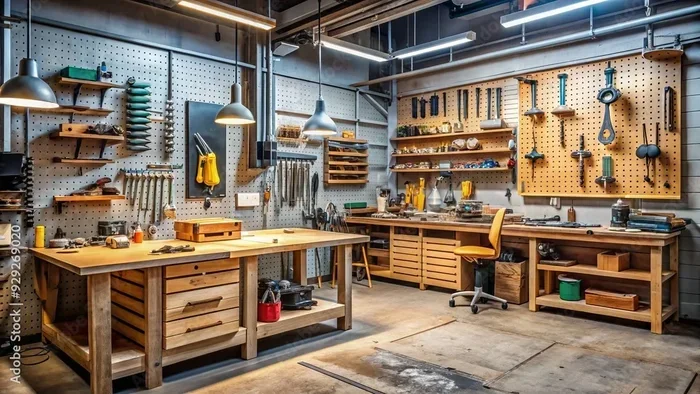
- Wall-mounted pegboards: These let you hang tools within arm’s reach and see everything at a glance.
- Tool chests and cabinets: Closed storage protects tools from dust and moisture while keeping them out of sight.
- Magnetic strips: Mount a magnetic strip on the wall for quick access to wrenches, screwdrivers, and other metal tools.
- Clear bins and drawers: Transparent containers let you see contents without opening each one.
- Shadow boards: Outline each tool on a board so you can see immediately if something is missing.
Label everything clearly. Use a label maker or simple adhesive labels. When every tool has a designated spot, cleanup becomes faster and your workshop stays organized longer. Make it a habit to return tools to their proper place after each project.
Prevent Future Clutter
The best way to deal with old tools is to prevent them from piling up in the first place. Follow these simple habits to keep your workshop clutter-free:
- One in, one out rule: Before buying a new tool, donate or sell an old one.
- Regular audits: Every six months, go through your collection and reassess what you actually need.
- Project-based storage: Keep tools out only during active projects and return them immediately after.
- Set a tool limit: Decide on a maximum number of tools you’ll keep for each category. This forces you to be intentional.
- Share with neighbors: Instead of buying a tool you’ll use once, borrow from a neighbor or a community tool library.
Common Mistakes to Avoid When Disposing of Old Tools
Even with good intentions, people make mistakes when getting rid of old tools. Here are the most common pitfalls and how to avoid them.
- Throwing tools in the regular trash: Many tools contain metal, batteries, and chemicals that shouldn’t go in landfills. Always check for recycling options first.
- Donating broken tools: Charities don’t want tools that don’t work. Test every tool before donating and dispose of broken ones properly.
- Keeping tools out of guilt: Just because a tool was expensive doesn’t mean you should keep it. Let go of the money you spent and focus on what’s useful now.
- Ignoring local regulations: Some areas have specific rules about disposing of power tools and batteries. Check your local guidelines before throwing anything away.
- Not wiping down tools before storage or donation: Dirty tools attract rust and pests. A quick cleaning goes a long way.
Taking a few extra minutes to handle tool disposal correctly saves you from potential fines, environmental damage, and wasted effort. It’s worth doing it right.
Quick Tips for a Stress-Free Workshop Cleanup
Want to make the whole process smoother? Here are some quick tips to keep in mind:
- Start small. Don’t try to clean out the entire workshop in one day. Pick one shelf or one corner and work from there.
- Set a timer. Give yourself 30-minute blocks. Short bursts prevent burnout and keep you focused.
- Take before and after photos. This motivates you to keep going and shows you how far you’ve come.
- Enlist a friend. A second pair of hands makes sorting faster and more fun.
- Schedule regular cleanouts. Mark your calendar for a workshop cleanup every three months.
Expert Insights on Workshop Organization
Professional workshop organizers agree that the key to a clutter-free space is a consistent system. Rather than waiting until things get out of control, maintain a routine. At the end of every project, spend five minutes putting tools back in their designated spots. This small habit prevents the buildup that leads to overwhelming clutter.
Many experienced woodworkers and mechanics also recommend keeping a simple inventory list. Write down what you own and where it lives. When you need a tool, check the list first. If it’s not there, you know you don’t have it, and you can stop searching. This simple practice eliminates the duplicate purchases that fuel workshop clutter.
If you’re dealing with old power equipment like compressors or generators, check out our guide on what to do with an old air compressor for specific advice on handling larger workshop equipment responsibly.
Remember, the goal isn’t to own the most tools. The goal is to own the right tools and keep them in a space that inspires creativity and productivity. A clean workshop is a workshop where good work happens.
Conclusion
Learning how to get rid of old tools is about more than just cleaning up. It’s about creating a workspace that serves you well. You’ve learned how to assess your collection, sell tools for extra cash, donate to those in need, recycle responsibly, and even upcycle items for fun new uses.
Start with the assessment phase. Sort everything into keep, sell, donate, and dispose piles. Then work through each category with intention. Sell what has value. Donate what still works for others. Recycle what can’t be used anymore. And organize what you keep so it stays accessible and in good shape.
A decluttered workshop changes how you feel when you walk through the door. You’ll feel lighter, more focused, and more ready to tackle your next project. So grab a box, pick a corner, and start today. Your future self will thank you.
Frequently Asked Questions
What can I do with old rusty tools?
Rusty tools can often be restored with some cleaning and oiling. If they’re beyond repair, take them to a scrap metal recycling center. Most metal tools are fully recyclable and should never go in the regular trash.
Can I donate broken tools?
Most donation centers prefer working tools. However, some organizations accept broken tools for parts or repair projects. Call ahead to ask. If they can’t use them, consider recycling or properly disposing of the tools instead.
How do I sell old power tools online?
Take clear photos, write honest descriptions including brand and condition, and price competitively. Facebook Marketplace and Craigslist are great for local sales. eBay works well if you want to reach a wider audience. Always test the tool before listing it.
Are old tools worth money?
Yes, especially name-brand tools and vintage pieces from well-known manufacturers. Even basic hand tools in good condition can sell for reasonable prices. Rare or discontinued tools sometimes fetch surprising amounts from collectors.
Where can I recycle old power tool batteries?
Most major hardware stores like Home Depot and Lowe’s have battery recycling bins. You can also search Earth911 for local recycling centers. Always tape the terminals of lithium batteries before recycling to prevent short circuits and fire hazards.
How often should I declutter my workshop?
A good rule is to do a full workshop declutter every six months. In between, spend a few minutes at the end of each project returning tools to their proper places. Regular small efforts prevent the buildup that leads to overwhelming clutter.
===
LSI Keywords Used: declutter workshop, old tool disposal, garage organization, sell used tools, donate old tools, tool recycling, scrap metal tools, workshop cleanup, organize tools, dispose of power tools, sell vintage tools, tool storage solutions, garage sale tools, recycle metal tools, clear out workshop, tool maintenance, sell tools online, upcycle old tools, hazardous waste tools, organize garage, workshop decluttering, power tool disposal, used tool markets, tool collection assessment, workshop productivity, tool hoarding, recycling centers, battery disposal, community tool sharing, workshop safety