Who Owns Dewalt Power Tools and What You Need to Know
DeWalt Power Tools is owned by Stanley Black & Decker, a global industrial conglomerate. The brand was founded in 1924 by Raymond DeWalt and became part of Stanley Black & Decker after a major merger in 2010. Here is everything you need to know about the ownership, history, and what it means for you as a buyer.
Key Takeaways
- Stanley Black & Decker owns DeWalt: The parent company acquired DeWalt through its purchase of The Stanley Works in 2010.
- DeWalt has a rich history: The brand was founded in 1924 by Raymond DeWalt, the inventor of the radial arm saw.
- DeWalt is a global power tool brand: It competes with brands like Milwaukee, Makita, and Bosch in the professional tool market.
- Ownership affects product quality and warranty: Being part of a large conglomerate gives DeWalt access to more resources and research.
- DeWalt tools are used across industries: From construction to woodworking, the brand serves a wide range of professionals.
- The merger brought together two tool giants: Stanley and DeWalt now share resources under one corporate umbrella.
- Buyers benefit from ownership: Access to better support, wider availability, and continued innovation in DeWalt products.
📑 Table of Contents
- Who Owns Dewalt Power Tools and Why It Matters
- The History of DeWalt Power Tools
- Stanley Black & Decker: The Parent Company
- How DeWalt Became Part of a Powerhouse
- What DeWalt Offers Today
- Why Ownership Matters for Tool Buyers
- The Future of DeWalt Under Stanley Black & Decker
- Common Mistakes People Make When Buying DeWalt Tools
- Expert Insights on DeWalt Ownership
- Key Takeaways
Who Owns Dewalt Power Tools and Why It Matters
Have you ever wondered who stands behind the yellow and black tools in your toolbox? DeWalt Power Tools is one of the most recognized names in the tool industry. But the company behind those powerful drills and saws has a fascinating story. Understanding who owns DeWalt helps you appreciate the brand more. It also gives you insight into the quality and direction of future DeWalt products.
The short answer is simple. Stanley Black & Decker owns DeWalt. But the full story goes much deeper. From a small invention in 1924 to a global powerhouse today, DeWalt has come a long way. In this article, we will cover everything you need to know about tool ownership, the parent company, and what it means for you as a buyer or professional.
Whether you are a contractor, a weekend warrior, or just curious about the brands you use, this guide has you covered. We will walk through the history, the parent company, and how ownership shapes the tools you use every day. Let us dive in.
The History of DeWalt Power Tools
How It All Started
The DeWalt story begins with one man and one invention. Raymond DeWalt invented the radial arm saw in 1924. He founded the DeWalt Company in Leola, Pennsylvania. His invention changed the way people cut wood. It was faster, more accurate, and more efficient than anything else on the market at the time.
Raymond DeWalt saw an opportunity to build heavy duty tools for professionals. He focused on durability and performance. The brand grew steadily through the mid-20th century. Carpenters and construction workers started to trust the DeWalt name. The yellow and black color scheme became a symbol of quality and reliability.
By the 1980s and 1990s, DeWalt expanded its power equipment lineup. The brand introduced more cordless tools and updated its corded tools for modern job sites. DeWalt became a go-to brand for professional grade tools across North America. The company kept growing by listening to real users and solving real problems on the job.
The Road to Global Recognition
In the early 2000s, DeWalt was already a major player. But the brand wanted to reach more professionals worldwide. It expanded into Europe, Asia, and Australia. DeWalt started sponsoring trade shows and partnering with contractors. The brand built a reputation for tough, reliable job site tools that could handle tough conditions.
DeWalt also invested heavily in research and development. The company worked on improving battery technology for its cordless lineup. This was a big deal because cordless power tools were still gaining trust among pros. DeWalt helped change that perception. Its 20-volt and 60-volt battery systems became industry leaders.
All of this growth set the stage for a major change. DeWalt needed a partner with the resources to take it to the next level. That partner turned out to be Stanley Black & Decker.
Stanley Black & Decker: The Parent Company
Who Is Stanley Black & Decker?
Stanley Black & Decker, often called SBD, is a multinational conglomerate. The company is headquartered in New Britain, Connecticut. It operates in more than 60 countries around the world. SBD is not just a tool company. It is a massive industrial conglomerate with many different brands and divisions.
The company was formed in 2010 through the merger of Stanley Works and Black & Decker. Both were already major players in the tool manufacturer space. By combining forces, they created one of the largest tool and industrial companies in the world. DeWalt became part of this new, larger family.
SBD owns many well-known brands beyond DeWalt. You may have heard of Stanley, Black & Decker, and Irwin Tools. The company also has divisions focused on industrial safety, security, and engineered products. This broad reach gives DeWalt a lot of advantages. It means more investment in research, better supply chains, and stronger global distribution.
What Does the Parent Company Do?
Stanley Black & Decker has four main business segments. These include Tools and Industrial, Security and Detection, Space and Advanced Industries, and Engineered Products. The Tools and Industrial segment is where DeWalt lives. This segment focuses on hand tools, power tools, and accessories for professionals.
SBD invests billions of dollars each year into research and development. This means the brands under its umbrella get access to cutting-edge technology. For DeWalt, this has translated into better batteries, stronger motors, and smarter tool designs. The parent company also handles marketing, logistics, and global sales for all its brands.
Being part of Stanley Black & Decker gives DeWalt stability. It is not a small, independent company that could face financial trouble. SBD is a Fortune 500 company with strong financial backing. This stability matters for tool buyers. It means continued support, reliable warranty service, and ongoing product innovation.
How DeWalt Became Part of a Powerhouse
The Stanley Works Acquisition
The story of how DeWalt joined Stanley Black & Decker is interesting. In 2010, The Stanley Works merged with Black & Decker. This created Stanley Black & Decker as we know it today. DeWalt was already owned by Stanley Works at the time of the merger. So DeWalt naturally became part of the new, larger company.
The merger was a strategic move. Both companies saw the benefit of combining their strengths. Stanley brought its legacy in hand tools and infrastructure. Black & Decker brought its expertise in power tools and consumer products. DeWalt added a strong professional power tool brand to the mix. Together, they created a company that could serve both professionals and consumers.
Since the merger, DeWalt has continued to grow. The brand has expanded its product lines. It has entered new markets. And it has maintained its reputation for tough, reliable construction tools. The parent company has supported this growth with investment and resources.
What the Merger Means for DeWalt
The merger brought several key benefits to DeWalt. First, it gave the brand access to a much larger distribution network. DeWalt tools are now available in more stores and online markets around the world. Second, it provided more funding for research and development. This has led to innovations in battery technology, tool design, and ergonomics.
Third, the merger helped DeWalt compete more effectively. The power tool brand landscape is crowded. Brands like Milwaukee, Makita, and Bosch are all fierce competitors. Being part of a larger company gives DeWalt the muscle to keep up and lead. It can invest in new technologies and bring them to market faster.
Finally, the merger has strengthened DeWalt’s warranty and support systems. Customers now have access to a broader network of service centers and replacement parts. This is a huge advantage for professionals who depend on their tools every day.
What DeWalt Offers Today
The DeWalt Product Lineup
Today, DeWalt offers one of the widest ranges of power tools in the industry. The brand is known for its cordless tool systems, but it also makes excellent corded options. Here is a quick look at what DeWalt offers:
- Drills and Drivers: DeWalt’s drills are some of the most popular on the market. They come in both corded and cordless versions. The 20-volt MAX line is especially well-loved by pros.
- Saws: From circular saws to reciprocating saws, DeWalt has a saw for every need. The brand carries on Raymond DeWalt’s legacy of innovation in cutting tools.
- Sanders and Grinders: DeWalt makes orbital sanders, belt sanders, and angle grinders. These are built for heavy use on job sites.
- Hand Tools: Beyond power tools, DeWalt offers a full line of hand tools. This includes wrenches, pliers, hammers, and tape measures.
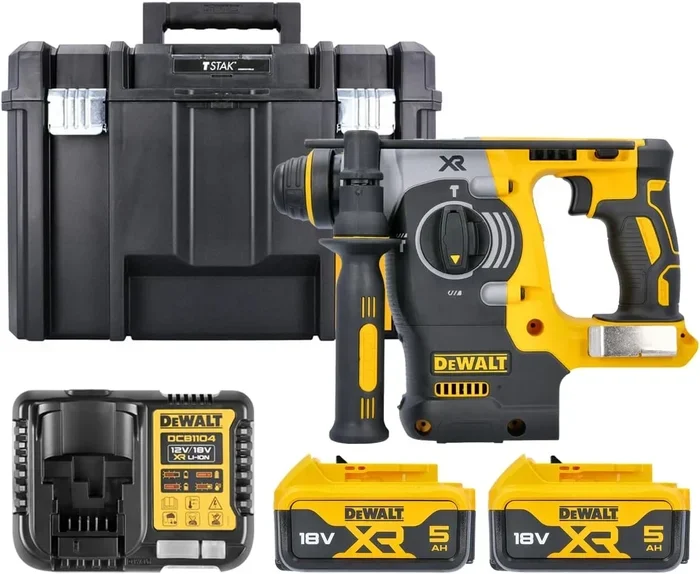
- Accessories: DeWalt also sells batteries, chargers, blades, and bits. The combo kit options are especially popular for buyers who want a complete setup.
If you want to see the full range of what DeWalt offers, check out the biggest DeWalt combo kit options available today. These kits give you great value and everything you need to get started.
Who Uses DeWalt Tools?
DeWalt tools are used by a wide range of professionals. Carpenters, electricians, plumbers, and HVAC technicians all rely on DeWalt. The brand is also popular among woodworkers and DIY enthusiasts. Its tools are built to handle the demands of daily professional use.
In the field of field service management tools, DeWalt stands out as a preferred choice. Service technicians and maintenance workers trust DeWalt for its durability and performance. The tools hold up well in tough environments, from hot rooftops to cold job sites.
DeWalt is also a common sight in building maintenance tools collections. Property managers and maintenance crews use DeWalt tools for everyday repairs and upkeep. The brand’s reliability makes it a natural fit for these demanding roles.
Why Ownership Matters for Tool Buyers
Quality and Reliability
When a large company like Stanley Black & Decker owns a brand, it has a direct impact on quality. SBD invests heavily in testing and quality control. Every DeWalt tool goes through rigorous testing before it reaches the market. This means you can trust that your DeWalt tools will perform as promised.
The parent company also sets high standards for durability. DeWalt tools are built to last. Many professionals have used the same DeWalt drill for years without any issues. This kind of reliability does not happen by accident. It is the result of strong ownership and consistent investment in quality.
Warranty and Support
One of the biggest benefits of DeWalt’s ownership is the warranty and support you receive. Stanley Black & Decker has a global network of service centers. If your tool breaks or needs repair, help is never far away. The company also offers solid warranty coverage on most of its products.
Most DeWalt power tools come with a three-year limited warranty. Some products even offer longer coverage. This gives buyers peace of mind. You know that if something goes wrong, the company will stand behind its product. This level of support is a direct result of strong corporate ownership.
Innovation and Future Products
Ownership by a large conglomerate means more resources for innovation. Stanley Black & Decker spends billions on research each year. This funding drives new product development at DeWalt. We have already seen amazing advances in battery technology and smart tool features.
Looking ahead, DeWalt is likely to focus even more on cordless technology. The industry is moving away from corded tools, and DeWalt is leading that shift. The brand is also investing in sustainability and eco-friendly manufacturing. These are exciting times for anyone who uses or buys DeWalt products.
Price and Value
Another reason ownership matters is price. Being part of a large company allows DeWalt to offer competitive pricing. The brand provides excellent value for the quality you get. You are not paying for a fancy name. You are paying for proven performance and durability.
DeWalt also offers tools at different price points. Whether you need a budget-friendly option or a top-of-the-line professional tool, DeWalt has you covered. This range makes the brand accessible to both new buyers and seasoned professionals.
The Future of DeWalt Under Stanley Black & Decker
What does the future hold for DeWalt? The brand is in good hands. Stanley Black & Decker continues to invest in its tool portfolio. The company sees the value of strong brands like DeWalt in a competitive market. Expect to see continued innovation in battery technology, tool design, and smart features.
DeWalt is also expanding its reach in emerging markets. Countries in Asia, Latin America, and Africa are seeing growing demand for professional tools. Stanley Black & Decker’s global infrastructure gives DeWalt a strong platform for this expansion. The brand will likely become even more visible on job sites around the world.
Sustainability is another area of focus. Stanley Black & Decker has set ambitious environmental goals. These goals will likely trickle down to DeWalt products. We may see more recycled materials, energy-efficient manufacturing, and eco-friendly packaging in the future. This is good news for both professionals and the planet.
The bottom line is this. DeWalt’s ownership by Stanley Black & Decker is a strength, not a weakness. The parent company provides the resources, stability, and vision needed for continued growth. For tool buyers, this means better products, stronger support, and more value for your money.
Common Mistakes People Make When Buying DeWalt Tools
Even loyal DeWalt fans sometimes make mistakes when buying tools. Here are a few to avoid:
- Buying the wrong voltage: DeWalt offers 20-volt, 60-volt, and 120-volt systems. Make sure you choose the right voltage for your needs. Higher voltage does not always mean better. It depends on the job.
- Ignoring warranty terms: Always check the warranty before you buy. Different products have different coverage periods. Knowing your warranty helps you make a smart purchase.
- Skipping the combo kit: Combo kits often save you money compared to buying tools separately. They also give you a complete set to start with. Look for a combo kit that matches your most common tasks.
- Not checking compatibility: DeWalt batteries and chargers are not always compatible across all voltage lines. Make sure your batteries work with your tools before you buy.
- Overlooking hand tools: DeWalt is not just about power tools. The hand tool line is excellent and often overlooked. A good set of DeWalt hand tools can last a lifetime.
Expert Insights on DeWalt Ownership
Industry experts agree that Stanley Black & Decker’s ownership of DeWalt has been beneficial. The parent company’s resources have allowed DeWalt to innovate faster and reach more customers. Experts also point to the brand’s consistent quality as a result of strong corporate backing.
According to tool industry analysts, DeWalt is one of the top three power tool brands in North America. It competes closely with Milwaukee and Makita. The brand’s share of the professional market continues to grow. This growth is supported by the strength and stability of its parent company.
Experts also highlight the importance of the DeWalt brand identity. Even after the merger, DeWalt has maintained its own distinct brand voice. It still feels like the tough, reliable brand that professionals trust. This is a testament to the care Stanley Black & Decker takes in managing its portfolio of brands.
Key Takeaways
- Stanley Black & Decker owns DeWalt: The parent company acquired DeWalt through its purchase of The Stanley Works in 2010.
- DeWalt has a rich history: The brand was founded in 1924 by Raymond DeWalt, the inventor of the radial arm saw.
- DeWalt is a global power tool brand: It competes with brands like Milwaukee, Makita, and Bosch in the professional tool market.
- Ownership affects product quality and warranty: Being part of a large conglomerate gives DeWalt access to more resources and research.
- DeWalt tools are used across industries: From construction to woodworking, the brand serves a wide range of professionals.
- The merger brought together two tool giants: Stanley and DeWalt now share resources under one corporate umbrella.
- Buyers benefit from ownership: Access to better support, wider availability, and continued innovation in DeWalt products.
Frequently Asked Questions
Who currently owns DeWalt Power Tools?
DeWalt Power Tools is owned by Stanley Black & Decker, a global industrial conglomerate formed through the merger of Stanley Works and Black & Decker in 2010. Stanley Black & Decker is headquartered in New Britain, Connecticut, and operates in over 60 countries worldwide.
When did Stanley Black & Decker acquire DeWalt?
DeWalt became part of Stanley Black & Decker in 2010 when The Stanley Works merged with Black & Decker. At the time of the merger, DeWalt was already owned by The Stanley Works. The merger simply brought DeWalt into the larger, combined company.
Is DeWalt still a separate brand under Stanley Black & Decker?
Yes, DeWalt operates as a distinct brand within the Stanley Black & Decker portfolio. It maintains its own identity, product lines, and marketing. The brand continues to be recognized for its professional-grade tools and yellow-and-black color scheme.
Does Stanley Black & Decker make tools other than DeWalt?
Absolutely. Stanley Black & Decker owns many brands beyond DeWalt. These include Stanley, Black & Decker, and Irwin Tools. The company also has divisions focused on security, engineered products, and space technologies. Each brand serves a different segment of the market.
Are DeWalt tools still made in the USA?
Some DeWalt tools are manufactured in the USA, but production has expanded globally. DeWalt has factories in the United States, Mexico, China, and other countries. The company maintains strict quality control standards regardless of where a tool is made. Always check the product label for specific manufacturing details.
How does DeWalt’s ownership affect its warranty?
Being part of Stanley Black & Decker gives DeWalt access to a stronger support network. The parent company’s resources allow for robust warranty coverage and service. Most DeWalt tools come with a three-year limited warranty, and the company has a global network of service centers to handle claims and repairs.
=== CONCLUSION ===
Who owns DeWalt Power Tools is a question with a clear answer: Stanley Black & Decker. But the story behind that ownership is what makes it interesting. From a single invention in 1924 to a global brand today, DeWalt has earned its place in the tool industry. The support of a large, stable parent company has helped DeWalt innovate, grow, and maintain its reputation for quality.
For buyers, this ownership is good news. It means better products, stronger warranties, and ongoing investment in new technology. Whether you are a professional contractor or a weekend DIYer, DeWalt tools deliver the performance and reliability you need. The next time you pick up a DeWalt drill or saw, you will know the full story behind the brand. And that knowledge can help you make smarter buying decisions for years to come.