What Tools Measure Mass and Why Accurate Weighing Matters
Knowing what tools measure mass is essential for labs, warehouses, kitchens, and workshops alike. The right weighing instrument ensures accuracy, safety, and consistency in every measurement. This guide covers the top mass measurement tools, how they work, and tips for choosing the best one for your needs.
Have you ever wondered what tools measure mass? The answer is more interesting than you might think. From simple kitchen scales to high-precision laboratory balances, a wide range of weighing instruments exist to help you determine the mass of any object. Whether you are a scientist, a chef, a warehouse worker, or a DIY enthusiast, understanding your options makes a huge difference.
Mass measurement is not just about numbers on a screen. It is about trust, consistency, and safety. When your mass measurement tools are accurate, your recipes turn out right, your shipments are correct, and your experiments produce reliable results. In this guide, we will walk you through every major type of tool that measures mass, explain how they work, and help you pick the right one.
We will also cover why accuracy matters, how to maintain your equipment, and common mistakes to avoid. By the end, you will feel confident choosing the best weighing equipment for any job. Let us dive in.
Key Takeaways
- Multiple tool types exist: From beam balances to digital platforms, each tool serves a different weighing purpose.
- Accuracy matters: Precise mass measurement prevents costly errors in manufacturing, cooking, and science.
- Digital vs. analog: Both have pros and cons depending on your environment and budget.
- Calibration is key: Regular maintenance keeps your weighing equipment reliable over time.
- Match the tool to the task: Consider capacity, precision, and environment before purchasing.
📑 Table of Contents
- What Is Mass and Why Do We Measure It?
- Common Types of Tools That Measure Mass
- Digital vs. Analog Weighing Tools
- How to Choose the Right Mass Measuring Tool
- Why Accurate Mass Measurement Matters
- Maintaining and Calibrating Your Weighing Tools
- Expert Insights on Choosing Mass Measurement Tools
- Conclusion
What Is Mass and Why Do We Measure It?
Mass is the amount of matter in an object. It stays the same whether you are on Earth, the Moon, or in space. This is different from weight, which changes based on gravity. When we talk about tools that measure mass, we mean instruments that give you the true amount of matter, not just the force pulling it down.
Measuring mass correctly matters in many fields. In cooking, wrong measurements ruin a recipe. In manufacturing, inaccurate mass measurement can lead to defective products. In medicine, dosing errors can endanger lives. Even in gardening, knowing the mass of your soil or fertilizer helps you get better results.
Mass vs. Weight: Why the Difference Matters
People often use mass and weight interchangeably, but they are not the same. Weight is a force. Mass is a property of matter. A digital scale in your kitchen actually measures weight and converts it to mass using Earth’s gravity. True mass measurement tools, like a beam balance, compare unknown masses to known ones. This distinction matters when precision is critical.
Understanding this difference helps you choose the right measurement tools. If you need lab-grade accuracy, you want a tool that compares masses directly. If you just need to portion ingredients, a standard kitchen scale works fine.
Common Types of Tools That Measure Mass
The world of weighing instruments is surprisingly diverse. Each type of tool has its own strengths, limitations, and best use cases. Let us explore the most common ones you will encounter.
Balance Scales
The balance scale is one of the oldest mass measurement tools in human history. It works by placing an object on one side and known weights on the other. When the beam levels out, you know the masses are equal. Triple beam balances and double pan balances are popular versions.
Balance scales do not depend on gravity, which makes them very reliable. They are common in classrooms and laboratories. However, they are slower than modern digital options and require careful handling.
Digital Scales and Platforms
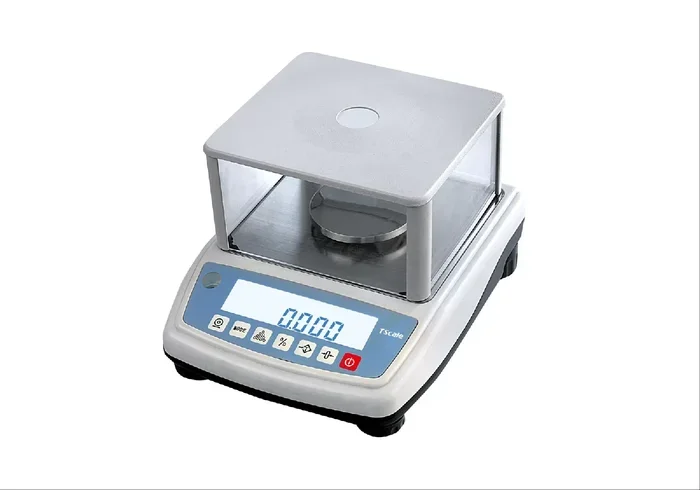
Digital scales use load cells to convert force into an electrical signal. This signal gets processed and displayed as a mass reading on a screen. Platform scales, bench scales, and counting scales are all digital variations designed for different tasks.
These tools are fast, easy to read, and often very precise. You will find them in warehouses, kitchens, and labs. Many models offer features like piece counting, percentage weighing, and data logging. If you want speed and convenience, a digital scale is hard to beat.
Spring Scales
A spring scale measures the force of gravity on an object. The spring stretches proportionally to the weight applied. While spring scales technically measure weight, many display mass units by assuming standard gravity.
They are affordable and portable. You will often see spring scales in garages, shipping departments, and field settings. However, they are less accurate than balance or digital scales, especially when gravity varies by location.
Analytical Balances
When you need extreme precision, an analytical balance is the tool of choice. These instruments can measure mass to within 0.0001 grams. They are enclosed in a draft shield to prevent air currents from affecting the reading.
Analytical balances are essential in chemistry labs, pharmaceutical companies, and research facilities. They are expensive but indispensable for work where even a tiny error matters. If you are working with precision weighing tasks, this is the tool you need.
Kitchen and Bathroom Scales
For everyday use, kitchen and bathroom scales handle the job well. Kitchen scales help you portion ingredients accurately for baking or meal prep. Bathroom scales track your body mass over time.
These are affordable, widely available, and user-friendly. They may not offer lab-grade precision, but for home use, they are perfectly reliable. Many modern kitchen scales include tare functions, unit conversions, and compact designs.
Digital vs. Analog Weighing Tools
Choosing between digital and analog weighing tools depends on your needs, budget, and environment. Both types have earned their place in different settings.
Digital tools offer speed, readability, and advanced features. Most include automatic calibration, overload protection, and multiple unit options. They are ideal for high-volume environments like warehouses and production lines. If you manage a busy kitchen or lab, digital mass measurement tools save valuable time.
Analog tools like balance scales and spring scales are simple and durable. They do not need batteries or electronics. This makes them reliable in harsh environments or remote locations. Some professionals prefer the tactile feel and long lifespan of analog instruments.
Which One Should You Choose?
Here are a few quick factors to consider:
- Budget: Analog tools are usually cheaper upfront.
- Precision: Digital scales generally offer finer readings.
- Environment: Dusty or wet conditions may favor simple analog designs.
- Features: Digital models often include counting, checking, and connectivity options.
- Maintenance: Digital tools may need recalibration; analog tools need less upkeep.
Think about where and how often you will use the tool. For daily professional use, digital is usually the better investment. For occasional or rugged use, analog holds its own.
How to Choose the Right Mass Measuring Tool
Not all weighing equipment is created equal. Before you buy, consider these key factors to make sure you get the right tool for the job.
Capacity and Precision
Capacity is the maximum mass the tool can handle. Precision is the smallest increment it can read. A warehouse scale might handle 5000 pounds but only read to the nearest pound. A laboratory balance might handle 200 grams but read to 0.0001 grams.
Match the capacity and precision to your typical workload. Buying a tool with too much capacity but low precision leads to frustration. Buying one with too little capacity risks damage.
Environment and Durability
Where will you use the tool? A kitchen needs a scale that resists moisture and spills. A warehouse needs something rugged and portable. A lab needs a draft-free enclosure for accurate readings.
Consider the IP rating or protection level of the instrument. Higher protection means better resistance to dust and water. If you work in a building maintenance setting, durable and portable scales make your job much easier.
Calibration and Certification
For professional or legal-for-trade applications, calibration matters. Certified scales come with documented accuracy standards. Regular recalibration keeps your instrument trustworthy over time.
Many industries require certified mass measurement tools by law. Check your local regulations and industry standards before purchasing. Investing in a certified tool saves you from compliance headaches later.
Why Accurate Mass Measurement Matters
Accuracy in mass measurement is not just a technical detail. It has real-world consequences in many areas of life and business.
In manufacturing, consistent mass measurement ensures product quality. A slight overfill or underfill can cost thousands over time. In food production, accurate portions meet regulatory requirements and keep customers satisfied. In healthcare, precise dosing of medications depends on exact mass readings.
Even in everyday life, accuracy matters. Baking is a science. Too much flour or too little sugar changes the outcome. Using reliable weighing instruments at home improves your cooking and baking results dramatically.
The Cost of Inaccurate Weighing
Inaccurate measurements lead to waste, rework, and lost revenue. A study by the National Institute of Standards and Technology found that poor measurement accuracy costs businesses billions annually. On a smaller scale, inaccurate portioning in restaurants leads to food waste and inconsistent dishes.
Investing in quality mass measurement tools pays for itself quickly. The right instrument reduces waste, improves consistency, and builds trust with your customers or family.
Maintaining and Calibrating Your Weighing Tools
Even the best weighing equipment drifts over time. Regular maintenance keeps your instruments accurate and extends their lifespan.
Calibration Basics
Calibration means adjusting your tool to match a known standard. Most digital scales include an internal calibration function. You place a known weight on the platform and let the device adjust itself.
For analog balances, calibration involves adjusting the zero point and checking the beam alignment. Use certified calibration weights for best results. Store weights properly to prevent damage and corrosion.
Routine Maintenance Tips
- Keep it clean: Wipe down your scale after each use. Debris affects accuracy.
- Check the environment: Avoid drafts, vibrations, and extreme temperatures.
- Store properly: Cover your instrument when not in use.
- Replace batteries: Low battery power can cause inaccurate readings on digital scales.
- Schedule professional checks: Annual calibration by a certified technician ensures long-term accuracy.
If you use process workflow tools in your business, integrating regular calibration checks into your routine helps maintain quality standards across the board.
Common Mistakes to Avoid
Many people make simple mistakes that hurt their mass measurement accuracy. Placing the scale on an uneven surface is a common one. Always use a level, stable platform. Taring incorrectly can also throw off your readings. Make sure you tare the container before adding your material.
Another mistake is ignoring temperature effects. Some materials expand or contract with temperature changes, affecting mass readings slightly. For the most accurate results, let your tools and materials reach room temperature before weighing.
Expert Insights on Choosing Mass Measurement Tools
Industry professionals agree that the best mass measurement tools combine accuracy, durability, and ease of use. When selecting equipment, think long-term. A slightly more expensive tool that lasts ten years is better than a cheap one you replace every two.
Field technicians and service professionals often rely on portable, battery-powered scales for on-site work. These tools need to be rugged and quick to set up. If you are managing a field service team, portable weighing instruments integrated with field service management tools can streamline your workflow significantly.
Also, consider the software ecosystem around your tools. Many modern digital scales connect to computers and tablets. This allows automatic data capture, report generation, and inventory tracking. Choosing a tool with good connectivity options future-proofs your setup.
Remember, no single tool handles every job. Build a collection of weighing instruments suited to your different tasks. A kitchen scale, a bench scale, and an analytical balance together cover most scenarios you will encounter.
Conclusion
Understanding what tools measure mass opens up a world of precision and reliability in your work and daily life. From classic balance scales to modern digital platforms, the right weighing instrument makes every task easier and more accurate. The key is matching the tool to your specific needs, considering factors like capacity, precision, environment, and budget.
Accurate mass measurement protects your quality, your reputation, and your bottom line. Whether you are portioning ingredients in a kitchen, shipping products in a warehouse, or running experiments in a lab, the right mass measurement tools make all the difference. Take care of your equipment, calibrate regularly, and always choose quality over convenience.
Start by evaluating your most common weighing tasks. Pick the tool that fits best, and invest in proper maintenance. Your future self will thank you for every accurate measurement you make.
Frequently Asked Questions
What is the simplest tool that measures mass?
The simplest tool is a balance scale. You place an object on one side and known weights on the other. When the beam balances, the masses are equal. Balance scales are easy to use and do not need batteries or electricity.
Can a regular bathroom scale measure mass accurately?
Yes, a bathroom scale measures mass by converting the force of gravity into a mass reading. However, bathroom scales are designed for body weight and may not be precise enough for cooking or scientific work. For better accuracy, use a dedicated kitchen or laboratory scale.
How often should I calibrate my weighing tool?
It depends on how often you use it. For daily professional use, calibrate monthly. For occasional home use, calibrate every few months or before important tasks. Always follow the manufacturer’s guidelines for your specific weighing equipment.
What is the difference between a scale and a balance?
A scale measures the force of gravity on an object and converts it to mass. A balance compares the mass of an unknown object to known masses. Balances are generally more accurate because they are less affected by changes in gravity.
Are digital mass measurement tools worth the extra cost?
For most professional and frequent use, yes. Digital tools are faster, easier to read, and offer features like data logging and automatic calibration. If you weigh items daily or need precise readings, the investment pays for itself quickly.
What should I look for when buying a platform scale?
Check the maximum capacity, the readability (smallest increment), and the build quality. Consider the environment where you will use it. Look for features like tare, piece counting, and connectivity options. If you need a rugged scale for warehouse or building maintenance work, prioritize durability and protection ratings.