How to Clean Rust Off Tools and Restore Them Like New
Learn how to clean rust off tools quickly and safely using household items like vinegar and baking soda, or power tools like an air compressor. This guide covers step-by-step methods for rust removal, tool restoration, and preventive maintenance so your gear stays like new for years.
Have you ever dug through your toolbox only to find your favorite wrench or saw blade covered in orange rust? It’s frustrating, but you don’t have to toss it. How to clean rust off tools is easier than you think, and you can bring them back to life with simple household items or a bit of elbow grease. In this guide, I’ll walk you through the best methods for rust removal, from a gentle vinegar soak to using an air compressor with a wire wheel. You’ll learn how to restore old tools, keep them protected, and save money instead of buying new ones. Let’s get started.
Rust is a common problem for anyone who works with metal tools. It forms when iron or steel is exposed to moisture and oxygen over time. Even a few days of humidity can start the oxidation process. Tools stored in damp garages or sheds are especially vulnerable. The good news is that most surface rust can be removed without harsh chemicals. Understanding the cause helps you prevent it in the future. With the right approach, you can enjoy smooth, clean tools every time you reach for them.
Key Takeaways
- Vinegar soak is a cheap, effective way to dissolve light rust overnight.
- Baking soda paste works well for moderate rust without harsh chemicals.
- Using an air compressor with a wire wheel offers fast, powerful rust removal for stubborn spots.
- Prevent rust by drying tools thoroughly and applying a light oil after cleaning.
- Severely rusted tools may need electrolysis or a commercial rust converter for full restoration.
- Regular maintenance keeps your tools in top shape and extends their lifespan.
📑 Table of Contents
Why Tools Rust and What Causes It
Rust is simply iron oxide. It happens when metal reacts with water and air. The process is called oxidation. Steel tools are particularly prone because they contain iron. Even your best hand tools can develop rust if left out in the open. Humidity, sweat, and rain all speed up the reaction. Tools used in outdoor jobs or near water are at higher risk. Understanding the root cause makes it easier to choose the right cleaning method. It also helps you build habits that keep rust away for good.
Not all rust is the same. Surface rust looks like a thin orange film. It’s usually easy to remove. Deep rust eats into the metal and creates pits. Pitting rust is harder to fix and can weaken a tool. Knowing the type of rust you’re dealing with helps you pick the best treatment. Light rust responds well to home remedies. Heavy rust may need a commercial product or mechanical action. Always inspect your tools closely before you start cleaning.
How to Clean Rust Off Tools: The Best Methods
Here are the most effective ways to clean rust off tools at home. Each method suits different levels of rust and different types of tools. You can try them one by one or combine them for the best results. Safety first—always wear gloves and eye protection when working with rust removal agents.
The Vinegar Soak Method
White distilled vinegar is a mild acid that dissolves rust safely. It’s one of the cheapest and most accessible rust removal solutions. Simply submerge the rusty tool in a container filled with vinegar. Make sure the entire rusted area is covered. Let it soak for at least 8 hours or overnight. For heavy rust, you can use apple cider vinegar or add a bit of salt to boost the acidity. After soaking, use a wire brush or steel wool to scrub away the loosened rust. Rinse the tool thoroughly with clean water and dry it immediately. This method works great on hand tools like wrenches, pliers, and screwdrivers.
Vinegar is gentle enough for tools with delicate finishes. It won’t strip away the metal underneath. You can repeat the soak if any rust remains. Just make sure you dry the tool completely after rinsing. Moisture left on the surface will start the rust cycle all over again. Vinegar is a staple in any tool restoration kit. Keep a bottle in your workshop for quick jobs.
Baking Soda Paste for Gentle Cleaning
Baking soda is a gentle abrasive that can lift rust without scratching the base metal. Make a thick paste by mixing three parts baking soda with one part water. Apply the paste directly to the rusted spots. Let it sit for 30 minutes to an hour. Then, use a soft cloth or an old toothbrush to scrub in circular motions. For tougher rust, let the paste sit longer. Rinse with warm water and dry completely. This method is perfect for tools with light to moderate surface rust. It’s also safe for tools with delicate finishes.
Baking soda is non-toxic and safe to use around children and pets. You can make a paste and keep it in a small jar for spot treatments. It’s especially useful for tools with intricate parts where a wire brush can’t reach. The mild abrasion removes rust without damaging the metal. This is a go-to method for rusty hand tools that you use every day. It’s simple, effective, and costs almost nothing.
Using an Air Compressor with a Wire Wheel
If you have a power setup, an air compressor can make rust removal fast and satisfying. Attach a wire wheel or an abrasive blast nozzle to the compressor. Start by learning how to start an air compressor properly and set the pressure to around 90 PSI. Hold the wire wheel against the rusted area and move it steadily. The spinning bristles blast away rust in seconds. This method is ideal for large tools or heavily rusted surfaces. Always wear safety glasses and gloves to protect from flying debris. After cleaning, you’ll need to refill your air compressor with fresh air and check the oil levels. This ensures your compressor stays ready for the next job.
Using an air compressor for rust removal is much faster than hand scrubbing. It works well on flat surfaces and can reach into grooves. You can adjust the PSI depending on the rust severity. Lower pressure for light rust, higher for heavy buildup. This method is a favorite among professionals who restore old tools. Just remember to clean your compressor after use. Moisture from the rust removal process can damage the tank if not drained properly.
Commercial Rust Removers and Rust Converters
For stubborn rust that won’t budge, commercial products like naval jelly or rust converters are highly effective. Rust converters chemically transform rust into a stable, paintable surface. Apply the converter with a brush, let it dry, and you’ll have a black protective coating. Rust removers like WD-40 Specialist Rust Release can dissolve rust quickly. Always follow the product instructions and work in a ventilated area. These products are great for tools you want to keep in a humid environment. They provide a barrier against future moisture.
Commercial rust removers save time and effort. They are formulated to handle heavy rust without damaging the base metal. Rust converters are ideal for tools you plan to paint or store outside. Naval jelly is thick and clings to vertical surfaces, making it perfect for large tools. You can find these products at any hardware store. They are a worthwhile addition to your tool maintenance kit. Use them when home remedies don’t quite do the job.
Step-by-Step Guide to Restoring Rusty Tools
Once you’ve chosen your method, follow these steps for a complete restoration. Start by assessing the damage. Light rust can be handled with vinegar or baking soda. Deep pitting may require more aggressive treatment. Gather your supplies: vinegar, baking soda, wire brush, steel wool, sandpaper, safety gear, and a clean rag. Work in a well-ventilated space. Protect your hands with gloves and your eyes with goggles. Clean the tool after rust removal. Use a degreaser if it’s greasy. Dry it completely with a clean towel. Apply a thin layer of linseed oil or WD-40 to prevent new rust. Store the tool in a dry place. If you used an air compressor, remember to drain your Craftsman air compressor after use to remove moisture. This simple habit extends the life of your equipment.
Restoring old tools is a rewarding process. You can save money and keep quality gear out of landfills. Here’s a quick checklist to follow every time:
- Inspect the tool and identify the type of rust.
- Choose the right cleaning method for the rust level.
- Gather all supplies and put on safety gear.
- Apply the treatment and let it work for the recommended time.
- Scrub away loosened rust with a wire brush or steel wool.
- Rinse and dry the tool completely.
- Apply a protective oil or coating.
- Store the tool in a dry, organized space.
Each step is important. Skipping the drying phase, for example, will undo all your hard work. Moisture is the enemy of clean metal. Take your time and enjoy the process. Watching a rusty tool shine again is a small victory that makes the effort worthwhile.
Preventing Rust After Cleaning
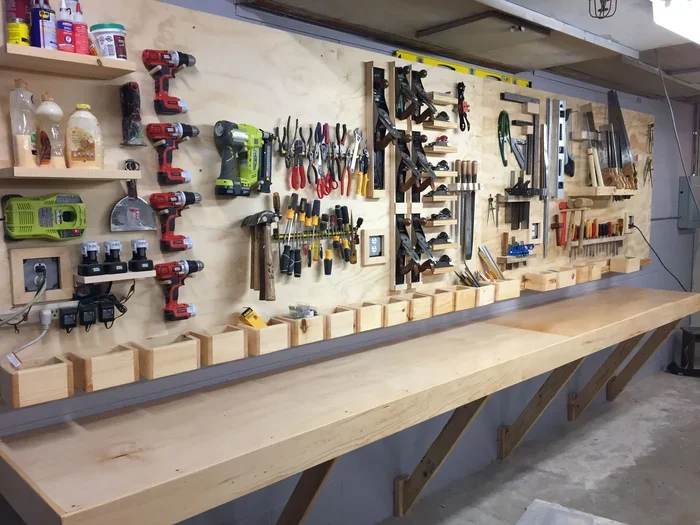
Prevention is the best rust removal strategy. After cleaning, keep your tools dry. Wipe them down after every use. Store them in a toolbox with a dehumidifier packet or a few silica gel sachets. Apply a light coat of oil to metal surfaces. Camellia oil is a favorite among tool enthusiasts because it doesn’t gum up. For power tools, check the manual for recommended lubricants. Hang tools on a wall rack instead of tossing them in a damp drawer. Regular tool maintenance takes just a few minutes but saves hours of rust removal later. A little care goes a long way in keeping your tools like new.
Storage conditions matter a lot. A garage with poor ventilation traps humidity. Consider adding a small dehumidifier to your workspace. Wipe down tools before you put them away. A quick wipe after each use prevents moisture from settling. You can also apply a thin coat of paste wax to metal surfaces. Wax creates a barrier that repels water. These small habits add up over time. Your tools will stay clean and ready for action whenever you need them.
When to Replace Instead of Restore
Not every rusted tool is worth saving. If the metal is severely pitted or the tool is structurally weak, replacement is safer. Tools with cracks or bent handles can’t be fully restored. Also, consider the cost of restoration versus buying a new tool. A cheap wrench with heavy rust might not be worth the effort. However, vintage or sentimental tools are often worth the extra work. Use your judgment. When in doubt, consult a professional. They can advise on whether a tool can be safely restored.
Safety should always come first. A tool with deep pitting can break under pressure. That’s a risk you don’t want to take. On the other hand, a quality hand tool with surface rust is usually worth the cleaning. Knowing when to restore and when to replace is part of smart tool ownership. Trust your instincts. If the tool feels unsafe or the rust has eaten through the metal, it’s time to let it go. But for most rusty tools, a little effort brings them back to life.
How to clean rust off tools doesn’t have to be complicated or expensive. With vinegar, baking soda, or an air compressor, you can restore your favorite tools and keep them for years. Prevention through proper storage and oiling is key. Try these methods today and bring your rusty gear back to life. Your tools will thank you with smooth, reliable performance every time you pick them up.
Frequently Asked Questions
Can I use vinegar to clean rust off tools?
Yes, white distilled vinegar is a safe and effective way to dissolve light to moderate rust. Soak the tool for at least 8 hours, then scrub with a wire brush. Rinse and dry it thoroughly to prevent new rust from forming.
What is the fastest way to remove rust from tools?
Using an air compressor with a wire wheel is the fastest method. It blasts away rust in seconds and works well on large or heavily rusted surfaces. Always wear safety glasses and gloves when using this approach.
Will baking soda damage my tools?
No, baking soda is a gentle abrasive that removes rust without scratching the base metal. It’s safe for most tool surfaces and is especially good for delicate finishes and intricate parts.
How do I prevent rust from coming back after cleaning?
Dry your tools completely after cleaning and apply a thin layer of oil, such as linseed oil or WD-40. Store them in a dry place with a dehumidifier or silica gel packets to control moisture.
Can I use an air compressor to clean rust?
Yes, attaching a wire wheel or abrasive nozzle to your air compressor is a highly effective way to remove rust. Make sure to learn how to start your compressor safely and drain it after use to prevent moisture buildup.
When should I stop trying to restore a rusty tool?
If the tool has deep pitting, cracks, or structural weakness, it’s safer to replace it. Severe rust can compromise the integrity of the metal, making the tool unsafe for use. Always prioritize safety over restoration.