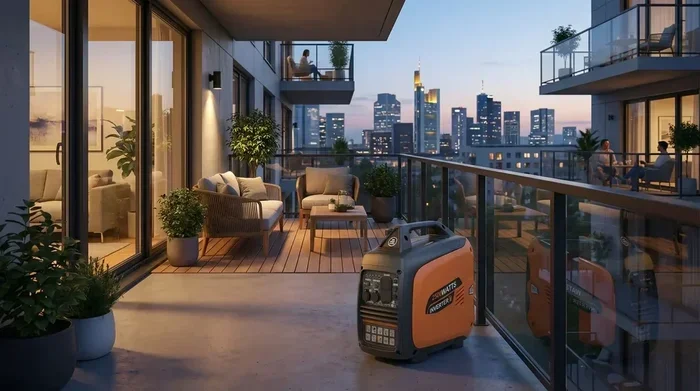
Best Generator for Apartment Living in 2025 Right Now
Choosing the right generator for apartment living means balancing size, noise, and power needs. A compact inverter generator or a small portable unit can keep essentials running during outages without breaking landlord rules. This guide walks you through the best options, sizing tips, and safety steps so you can pick the perfect backup power solution for your apartment in 2025.
Living in an apartment means you deal with tight spaces, shared walls, and rules about what you can and cannot do. But when the power goes out, you still need electricity. That is where a generator for apartment setups comes in handy. Whether you rent or own, having a backup power source can save your food, keep your devices charged, and give you peace of mind during storms or outages.
The problem? Not all generators work for apartments. Some are too loud. Others are too big. And many renters worry about breaking their lease. This guide solves all of that. We will walk you through the best options, how to size the right unit, and what to watch out for. By the end, you will know exactly which generator for apartment setup fits your life.
Key Takeaways
- Inverter generators are the top choice: They run quietly, are fuel-efficient, and produce clean power safe for apartment electronics.
- Size matters more than you think: A 1,000–3,000-watt unit covers most apartment essentials without overwhelming your electrical system.
- Check your lease and local rules: Many apartments restrict generator type, size, and where you can place it.
- Propane and dual-fuel models offer flexibility: They give you options for fuel availability and storage in tight spaces.
- Safety comes first: Never run a generator indoors. Carbon monoxide poisoning is a real and serious risk.
- Noise level is critical: Apartments have close neighbors, so aim for units under 60 decibels.
📑 Table of Contents
- Why Apartment Dwellers Need a Generator
- Types of Generators That Work for Apartments
- How to Size the Right Generator for Your Apartment
- Best Generators for Apartment Living in 2025
- Safety and Legal Tips for Apartment Generator Use
- Common Mistakes Apartment Dwellers Make with Generators
- Quick Tips for Apartment Generator Success
- Final Thoughts
Why Apartment Dwellers Need a Generator
Power outages happen more often than you might think. Storms, grid failures, and even planned outages can leave you in the dark for hours or days. In an apartment, you cannot just fire up a whole-house system like a homeowner can. You need something compact, safe, and apartment-friendly.
Here is why a generator for apartment living is worth considering:
- Food safety: A fridge needs power to keep food cold. Without it, thousands of dollars in groceries go to waste.
- Medical devices: If you or a family member relies on medical equipment, backup power is not optional.
- Internet and work: Many people work from home. Losing power means losing income.
- Comfort: In extreme heat or cold, a fan or heater can make the difference between discomfort and danger.
- Security: Power outages can disable home security systems and door locks.
The Unique Challenges of Apartment Power Backup
Apartments come with specific challenges. You have limited outdoor space, shared electrical systems, and strict lease agreements. You also have neighbors close by who will hear everything. This means your generator for apartment choice must be small, quiet, and easy to store.
Landlords often have rules about generators. Some ban them entirely. Others allow portable units but restrict wattage and fuel type. Always check your lease before buying anything. This small step can save you from fines or even eviction.
Types of Generators That Work for Apartments
Not every generator belongs in an apartment. Some are built for construction sites or full homes. The best generator for apartment options fall into a few clear categories. Let us break them down.
Inverter Generators
Inverter generators are the gold standard for apartment living. They produce clean, stable power that is safe for sensitive electronics like laptops, phones, and TVs. They also run significantly quieter than traditional generators. Most inverter models stay below 60 decibels, which is about the volume of a normal conversation.
These units are also lightweight and compact. Many weigh under 50 pounds, making them easy to move and store. If you are renting, an inverter generator is almost always your best bet.
Portable Generators
Portable generators are the most common type. They come in many sizes and price points. You can find small 1,000-watt units that cost under $200. Or you can go bigger with 3,000-5,000-watt models for around $500-$1,000.
The downside is noise. Traditional portable generators can run at 70 decibels or more. That is like a vacuum cleaner. In an apartment building, this can bother your neighbors fast. If you go this route, look for models marketed as “quiet” or “eco-friendly.”
Dual-Fuel and Propane Generators
Dual-fuel generators let you switch between gasoline and propane. Propane is a great option for apartments because it stores safely and does not degrade over time. Gasoline can go bad in just a few months, which means you might have fuel problems when you actually need power.
Propane also burns cleaner, which is better for the environment and for your neighbors. If you have access to a propane tank, a generator for apartment setup using propane is a smart move.
Solar Generators
Solar generators are gaining popularity fast. They use solar panels to charge a battery bank, which then powers your devices. They are completely silent, produce zero emissions, and need no fuel. The catch is they are slower to recharge and may not provide enough power for heavy loads.
For apartment dwellers who want a zero-noise solution, solar generators are worth a look. They work great for charging phones, running a small fridge, and keeping lights on during a short outage.
How to Size the Right Generator for Your Apartment
Sizing your generator for apartment setup correctly is more important than you think. Too small, and it will not handle your needs. Too big, and you waste money and space. Here is how to get it right.
Calculate Your Essential Load
Start by listing the appliances and devices you need during an outage. Here is a simple breakdown:
- Refrigerator: 600-800 watts (starting surge up to 1,200W)
- Phone and laptop charging: 100-200 watts total
- LED lights (4-5 bulbs): 40-60 watts
- Small space heater or fan: 750-1,500 watts
- Wi-Fi router: 10-20 watts
Add these up, and you get a rough idea of your needs. For most apartments, a generator for apartment unit rated at 2,000-3,000 watts covers all essentials comfortably.
Rule of Thumb for Apartment Sizing
As a general rule, go for a unit that is 20-30% larger than your calculated load. This gives you breathing room for starting surges and prevents the generator from running at full capacity all the time. A unit running at full load all the time will wear out faster and use more fuel.
If you are unsure, a 2,500-watt inverter generator handles about 90% of apartment situations. It can run a fridge, charge devices, power a few lights, and even run a small window AC unit on mild days.
When You Need More Power
Some apartments have higher power needs. Maybe you work from a home office with multiple monitors and servers. Or you have an electric vehicle you need to charge. In these cases, you might need a larger unit or even consider how many watts you actually need for your specific situation.
For apartment dwellers who need more juice, look at 5,000-watt dual-fuel models. They give you flexibility and power without going full-house size. Just make sure your lease allows it and your electrical panel can handle the load.
Best Generators for Apartment Living in 2025
The market has changed a lot in recent years. Manufacturers now build generators specifically for urban and apartment living. Here are some of the best options you should consider right now.
Top Pick: Honda EU2200i
The Honda EU2200i is the most popular inverter generator for a reason. It weighs just 47 pounds, runs at a whisper-quiet 48 decibels, and produces clean sine wave power. It delivers 2,200 watts of running power, which is perfect for apartment essentials.
It is also incredibly fuel-efficient. Honda’s Eco-Throttle technology adjusts engine speed to match the load, so you get up to 8 hours of run time on a single tank. The only downside is the price. At around $1,000, it is an investment. But for reliability and quiet operation, it is hard to beat.
Budget Pick: WEN 56200i
If you do not want to spend $1,000, the WEN 56200i is a fantastic alternative. It costs around $300 and delivers 2,000 watts of clean power. It is an inverter generator, so it is safe for electronics. It runs at about 51 decibels, which is still quiet enough for apartment use.
The build quality is not as premium as Honda, but for the price, it is unbeatable. Many renters buy this as their first apartment generator and never look back.
Best for Power: Champion 3500-Watt Dual Fuel
If you need more power, the Champion 3500-watt dual-fuel unit is a solid choice. It runs on both gasoline and propane, giving you fuel flexibility. It produces 3,500 watts of starting power and 3,000 watts of running power.
It is louder than the Honda or WEN options, clocking in at around 64 decibels. But it is still manageable for apartment use, especially if you place it as far from shared walls as possible. At about $500, it is a great value for the power it delivers.
Best Solar Option: EcoFlow Delta 2
The EcoFlow Delta 2 is a portable power station that works like a solar generator. It charges via wall outlet, car charger, or solar panels. It weighs only 25 pounds and can power a fridge, charge multiple devices, and run lights for several hours.
It is completely silent and produces zero emissions. For apartment dwellers who cannot run a gas generator, this is a game-changer. It is also perfect for indoor use, which solves the ventilation problem entirely.
Safety and Legal Tips for Apartment Generator Use
Using a generator in an apartment comes with serious safety and legal considerations. You cannot just plug it in and start using it. There are rules you must follow to stay safe and avoid trouble.
Never Run a Generator Indoors
This cannot be stressed enough. Generators produce carbon monoxide, which is colorless, odorless, and deadly. Even running a generator in your apartment hallway, balcony, or near an open window can be dangerous. Always place it outside, at least 20 feet away from doors, windows, and vents.
If you have a balcony, check the wind direction. Exhaust fumes can blow back into your unit and into neighboring apartments. This is a serious hazard that has caused fatalities in apartment buildings.
Check Your Lease and HOA Rules
Before you buy or use any generator for apartment setup, read your lease carefully. Look for sections about generators, open flames, and outdoor equipment. Some leases ban generators entirely. Others allow them with restrictions.
If you live in an HOA-managed property, check their rules too. Some HOAs have noise ordinances that make generator use impossible during certain hours. Violating these rules can result in fines or even eviction proceedings.
Use the Right Extension Cords
Never plug a generator directly into your apartment’s electrical outlet. This is called “backfeeding,” and it is dangerous. It can send power back into the building’s grid, which can electrocute utility workers. It can also fry your apartment’s wiring and the building’s electrical system.
Instead, use heavy-duty extension cords rated for outdoor use. Plug your appliances directly into the generator. Keep cords away from walkways and water sources. If you want a more permanent setup, consider learning how to connect a generator to your house properly with a transfer switch.
Store Fuel Safely
If you use a gasoline generator, store fuel in approved containers. Keep them in a well-ventilated area away from heat sources. Many apartments have strict rules about fuel storage, so check with your landlord before keeping gasoline on the premises.
Propane is a safer alternative for storage. It does not degrade over time, and a small propane tank takes up very little space. Just make sure your building allows propane storage in common areas or on balconies.
Common Mistakes Apartment Dwellers Make with Generators
Even the best intentions can lead to mistakes when using a generator for apartment setups. Here are the most common errors and how to avoid them.
- Buying too much power: A 7,500-watt generator is overkill for most apartments. It takes up more space, costs more, and uses more fuel. Stick to 2,000-3,500 watts unless you have a specific need for more.
- Ignoring noise complaints: Your neighbor might be friendly today but not tomorrow. A loud generator can damage relationships and lead to complaints. Always choose a quiet model and place it as far from neighbors as possible.
- Skipping the oil change: Generators need regular maintenance. Check the oil before every use and change it every 100 hours of run time. A poorly maintained generator will fail when you need it most.
- Not testing before an emergency: Run your generator for 30 minutes once a month. This keeps the engine in good shape and lets you verify it works when you actually need it.
- Overloading the generator: Plugging in too many appliances at once can trip the generator’s breaker or damage your devices. Prioritize essential loads and run them one at a time if needed.
Expert Insight: What Electricians Recommend
Most electricians agree that inverter generators are the best choice for apartments. They produce clean power, are fuel-efficient, and are quiet. If you want a more permanent solution, some electricians recommend installing a properly sized standby generator with a transfer switch, but this is more common in single-family homes than apartments.
For renters, the consensus is clear: go portable, go quiet, and go prepared. A small inverter generator stored in a closet and ready to go is worth more than a large, loud unit that sits unused and gathering dust.
Quick Tips for Apartment Generator Success
- Choose an inverter generator for quiet, clean power.
- Size your unit at 20-30% above your essential load.
- Always run the generator outside, at least 20 feet from any opening.
- Check your lease and get written permission if required.
- Store fuel in approved containers away from heat sources.
- Test your generator monthly to ensure it works when needed.
- Use a carbon monoxide detector near your generator placement area.
- Keep a log of maintenance and fuel usage for each use.
Final Thoughts
Finding the right generator for apartment living in 2025 is easier than ever. You have more options than ever before, from whisper-quiet inverter generators to silent solar power stations. The key is to match your unit to your actual needs, your living situation, and your lease requirements.
Start by calculating your essential power needs. Then pick a quiet, compact unit that fits your budget and storage space. Follow all safety guidelines, respect your neighbors, and test your setup regularly. With the right generator for apartment solution, you will never have to worry about another power outage again.
Take action today. Review your lease, measure your space, and pick the unit that fits your life. A little preparation now can save you a lot of stress later. Stay powered, stay safe, and stay prepared.
Frequently Asked Questions
Can I use a generator in my apartment balcony?
It depends on your lease and building rules. Many apartments allow generators on balconies as long as they are small and quiet. However, you must never run a generator indoors or near open windows. Always check with your landlord first and follow all safety guidelines for placement.
What size generator do I need for a small apartment?
Most small apartments need a 2,000-3,000-watt generator to cover essentials like a fridge, lights, and device charging. If you only need to run a few devices, a 1,000-watt unit might work. For more details on sizing, check out our guide on how many watts you actually need for your specific situation.
Is it safe to run a generator near an apartment building?
Yes, as long as you follow safety rules. Always place the generator at least 20 feet away from any building opening, including doors, windows, and vents. Never run it in enclosed spaces. Carbon monoxide is the biggest danger, so proper placement is non-negotiable.
What is the quietest generator for apartments?
Inverter generators are the quietest option available. Models like the Honda EU2200i run at just 48 decibels, which is quieter than a normal conversation. For apartment living, always look for inverter generators rated below 60 decibels to avoid disturbing neighbors.
Can I connect a generator directly to my apartment’s electrical panel?
No. Never backfeed a generator into your apartment’s electrical panel. This is extremely dangerous and can electrocute utility workers or damage the building’s electrical system. Always use extension cords to plug appliances directly into the generator, or consult an electrician about a proper transfer switch setup.
How much does a generator for apartment use cost?
Small inverter generators range from $300 to $1,000, while solar generators start around $500 and go up to $2,000. Operating costs are low since inverter generators use less fuel. For a full breakdown of generator costs, see our article on how much a generator costs for a house, which includes useful cost comparisons for any living situation.