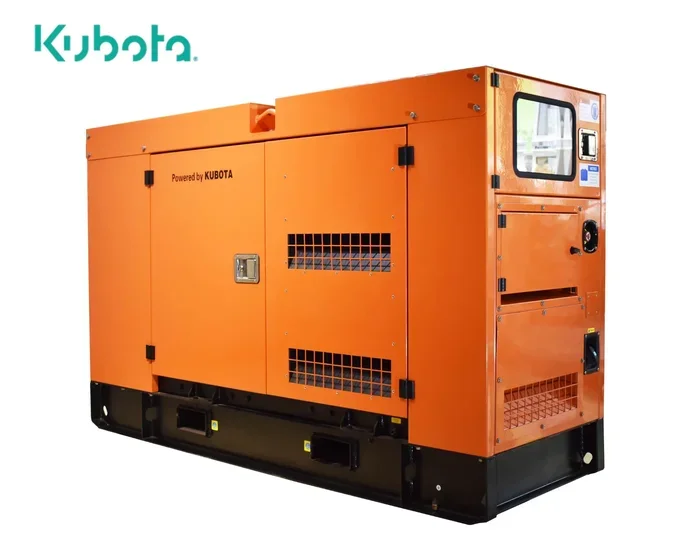
Kubota Generator Best Models Compared and Rated Fast
Kubota generators are known for their reliable diesel engines, long runtime, and quiet operation. This guide compares the top Kubota models so you can find the best fit for your needs. We cover portable and standby options, fuel efficiency, power output, and price points to help you make a smart buying decision fast.
When you need a dependable power source, a Kubota generator often comes up on the shortlist. These machines have built a strong reputation over the decades. They are known for tough diesel engines, steady power delivery, and long service life. Whether you need backup power for your home or a reliable unit for a jobsite, Kubota has a model that fits.
But with so many options on the market, how do you pick the right one? That is where this guide comes in. We have reviewed and compared the best Kubota generator models available today. Our goal is to give you clear, honest information so you can buy with confidence. Let us dive in and find the perfect match for your power needs.
Key Takeaways
- Diesel Power: Kubota generators use durable diesel engines that last longer and run more efficiently than many gas alternatives.
- Wide Range of Models: From small portable units to large standby generators, Kubota has options for homes, jobsites, and farms.
- Fuel Efficiency: Kubota engines are designed to sip fuel, giving you longer runtime per gallon compared to many competitors.
- Quiet Operation: Many Kubota models feature low noise levels, making them great for residential areas and camping.
- Easy Maintenance: Routine upkeep is straightforward, and parts are widely available across authorized dealers.
- Strong Value: Kubota generators offer a solid balance of price, durability, and performance in the diesel generator market.
📑 Table of Contents
Why Kubota Generators Stand Out
Kubota has been building engines since 1921. That is over a century of engineering experience. Their generators carry that legacy forward. Here is why many buyers choose Kubota diesel generators over other brands.
Built-In Durability
Kubota engines are forged with heavy-duty materials. They handle tough conditions well. Whether it is extreme heat, cold, or constant use, these engines keep running. The cast iron cylinder blocks add extra strength. Many owners report running their units for thousands of hours without major issues.
Fuel Efficiency You Can Count On
One of the biggest advantages of a Kubota generator is fuel economy. Diesel engines naturally burn fuel more efficiently than gasoline. Kubota takes this a step further with smart engineering. Their engines adjust fuel delivery based on load demand. This means you get more runtime per gallon. Over time, the fuel savings add up significantly.
Want to understand more about how generators use fuel? Check out our guide on how much propane a generator uses for a broader look at fuel consumption across generator types.
Quiet and Neighbor-Friendly
Nobody wants a loud generator disturbing the neighborhood. Kubota designs many of their models with noise reduction in mind. The enclosed housings dampen sound effectively. Some portable units run as quiet as 60 decibels. That is about the level of a normal conversation. This makes them great for residential use and camping trips alike.
Top Kubota Generator Models Compared
Let us look at the most popular Kubota generator models on the market right now. We will break down what each one does best.
Kubota XC1000
This is a compact portable unit perfect for light tasks. It delivers 1,000 watts of clean power. The XC1000 weighs just under 20 pounds. It is easy to carry and store. It works well for charging phones, running small tools, and powering lights during a blackout.
Kubota XC2000
Stepping up in size, the XC2000 offers 2,000 watts. It can handle mid-range loads with ease. This model features a larger fuel tank for extended runtime. It also includes a USB charging port for modern convenience. The XC2000 is a solid choice for RV owners and small households.
Kubota GR2100
The GR2100 is a mid-size portable generator built for jobsites. It produces around 2,100 watts of continuous power. The engine is a genuine Kubota diesel unit. It offers excellent runtime on a single tank. Many contractors rely on this model for powering tools on remote sites.
Kubota DM7000
This is a heavy-duty standby generator designed for whole-home backup. It delivers 7,000 watts of continuous power. The DM7000 features an automatic start system. It kicks in within seconds of a power outage. This model is ideal for families who want peace of mind during storms and blackouts.
Kubota DM10000
The DM10000 is the flagship model in Kubota’s residential lineup. It produces 10,000 watts of steady power. This unit can run essential home systems like HVAC, refrigerators, and sump pumps. It has a large fuel tank for multi-day runtime. The DM10000 is a top pick for homeowners in areas prone to outages.
Quick Comparison Table
- Model: XC1000 | Wattage: 1,000W | Type: Portable | Best For: Light tasks, camping
- Model: XC2000 | Wattage: 2,000W | Type: Portable | Best For: RVs, small homes
- Model: GR2100 | Wattage: 2,100W | Type: Portable Jobsite | Best For: Construction, tools
- Model: DM7000 | Wattage: 7,000W | Type: Standby | Best For: Essential home backup
- Model: DM10000 | Wattage: 10,000W | Type: Standby | Best For: Whole-home backup
Not sure which wattage you need? Our detailed guide on how many watts a generator needs to run a house can help you calculate the right size for your specific situation.
How to Choose the Right Kubota Generator
Choosing the right Kubota generator depends on a few key factors. Let us walk through them one by one.
Determine Your Power Needs
Start by listing the appliances and devices you want to power. Add up their wattage requirements. Make sure to account for startup surges. A refrigerator, for example, needs extra power when the compressor kicks on. Write down everything you want to keep running during an outage.
Once you have your total wattage, add a 20 percent buffer. This gives you room for safety and future needs. If your list comes to 5,000 watts, look for a generator rated at 6,000 watts or higher.
Consider Portability vs. Standby
Do you need to move the generator around? If yes, a portable model like the XC2000 or GR2100 makes sense. These units have wheels and handles for easy transport. They work great for camping, tailgating, and remote work sites.
Do you want automatic backup power? Then a standby model like the DM7000 or DM10000 is the way to go. These units install permanently outside your home. They turn on automatically when the power goes out. You do not even need to be home.
Think About Fuel Type and Runtime
Kubota generators run on diesel fuel. Diesel has several advantages. It stores longer than gasoline. It is less flammable. And it provides more energy per gallon. This translates to longer runtime and fewer refueling stops.
If you are curious about how different generators handle fuel, you might also enjoy our article on how much a home generator costs for a broader perspective on pricing across brands and types.
Check Noise Levels
Noise matters, especially if you live in a suburban area. Look for models with decibel ratings below 70 dB. The Kubota DM7000 and DM10000 both feature sound-dampening enclosures. They run much quieter than many competing standby generators. Portable models are naturally quieter since they have smaller engines.
Maintenance Tips for Your Kubota Generator
Keeping your Kubota generator in top shape is simple. Regular maintenance extends its life and keeps it running smoothly. Here are the essential steps every owner should follow.
Regular Oil Changes
Change the oil every 100 to 150 hours of use. Use the grade recommended in your owner’s manual. Fresh oil keeps the engine lubricated and cool. It prevents wear and tear from friction. This is the single most important maintenance task you can do.
Air Filter Inspection
Check the air filter every 50 hours. Clean or replace it when it looks dirty. A clogged air filter reduces engine performance. It can also increase fuel consumption. Keeping the filter clean ensures your generator runs efficiently.
Fuel System Care
Diesel fuel can develop deposits over time. Use clean, fresh fuel whenever possible. If you store the generator for long periods, add a fuel stabilizer. This prevents the fuel from gumming up the system. Run the generator for a few minutes after adding stabilizer to circulate it through the lines.
Battery Maintenance
Check the battery terminals for corrosion. Clean them with a wire brush if needed. Make sure the battery is fully charged before a storm season. A weak battery means the generator may not start when you need it most.
Want to learn more about getting your generator running? Our guide on how to start a generator covers the basics for all generator types, including Kubota models.
Annual Professional Service
Even with regular DIY care, schedule a professional inspection once a year. A certified technician can spot issues early. They will check spark plugs, belts, and electrical connections. This proactive approach prevents unexpected breakdowns when you need your generator the most.
Pros and Cons of Kubota Generators
Every brand has strengths and weaknesses. Here is an honest look at what to expect with Kubota generators.
Pros
- Exceptional durability: Kubota engines are built to last thousands of hours.
- Excellent fuel efficiency: Diesel engines sip fuel, saving you money over time.
- Quiet operation: Many models run at neighbor-friendly noise levels.
- Low maintenance costs: Parts are affordable and widely available.
- Strong resale value: Kubota generators hold their value well on the used market.
- Reliable starting: Even in cold weather, these engines start with confidence.
Cons
- Higher upfront cost: Diesel generators cost more than gasoline models initially.
- Heavier weight: Portable units are heavier due to the diesel engine construction.
- Diesel fuel availability: In some areas, diesel is less convenient than gasoline.
- Fewer portable options: Kubota focuses more on standby and commercial-grade units.
While the upfront generator cost may be higher, the long-term value is hard to beat. You save on fuel, maintenance, and replacement costs over the life of the unit.
Final Thoughts on Kubota Generators
A Kubota generator is a smart investment for anyone who values reliability and long-term performance. Whether you choose a portable model for jobsite work or a standby unit for whole-home backup, you are getting a machine built on decades of engine engineering excellence.
Start by assessing your power needs. Then match them to the right model from the lineup we reviewed. Consider your budget, your space, and how often you will use the unit. With proper maintenance, your Kubota generator will serve you well for many years to come.
Take your time comparing models. Read owner reviews. Visit a local dealer if possible. Seeing and hearing the unit in person can help you make the final decision. The right Kubota generator will keep your lights on, your appliances running, and your peace of mind intact no matter what comes your way.
Frequently Asked Questions
What makes Kubota generators different from other brands?
Kubota generators stand out because of their diesel engines built for long-term durability. They offer excellent fuel efficiency and quiet operation compared to many gasoline-powered competitors. The brand has over a century of engine-building experience behind every unit.
How long does a Kubota generator last?
With proper maintenance, a Kubota generator can run for thousands of hours. Many owners report 10,000-plus hours of service before major repairs are needed. Regular oil changes and air filter cleaning play a big role in extending the lifespan.
Can a Kubota generator power a whole house?
Yes, models like the DM7000 and DM10000 are designed for whole-home backup. They provide enough wattage to run essential systems like HVAC, refrigerators, and lighting. For a complete setup, you may also want to learn about connecting a generator to your house safely.
Are Kubota generators loud?
Most Kubota generators are designed for quiet operation. Portable models typically run around 60 to 70 decibels. Standby models feature sound-dampening enclosures that keep noise levels low. They are much quieter than many comparable diesel generators on the market.
How much does a Kubota generator cost?
Prices vary by model and power output. Portable units start around $1,000, while standby models range from $3,000 to $6,000 or more. The higher upfront cost is offset by fuel savings and long-term durability. If you want to explore broader pricing options, check out our guide on how much a generator costs for a house.
Do Kubota generators work in cold weather?
Yes, Kubota diesel engines are designed to start reliably in cold conditions. Many models include glow plugs or block heaters for cold-weather starts. Using winter-grade diesel fuel and keeping the battery charged also helps ensure smooth operation in freezing temperatures.


