How Long Does a Home Generator Last and What Affects It
How long does a home generator last depends on several key factors, including the type of generator, fuel source, maintenance routine, and how often you use it. A standby generator can run for 20 to 40 years with proper care, while a portable unit may last 10 to 15 years. Understanding these timelines and what influences them helps homeowners plan ahead and avoid unexpected breakdowns.
Power outages are more common than most people think. Storms, grid failures, and aging infrastructure can all knock out electricity for hours or even days. That is why millions of homeowners invest in a home generator to keep their lights on and their families safe. But a big question comes up right away: how long does a home generator last before it needs replacing?
The answer is not as simple as one number. A generator’s lifespan depends on many things, from the type of unit you buy to how well you take care of it. Some generators run for decades. Others give up after just a few years. The good news is that you have a lot of control over this. With the right knowledge and a solid maintenance routine, you can make sure your generator serves you well for a long time.
In this article, we will walk through everything you need to know about how long does a home generator last. We will cover the average lifespan of different generator types, the factors that speed up or slow down wear and tear, and practical tips to keep your unit running strong. Whether you already own a generator or are thinking about buying one, this guide will help you make smart decisions.
Key Takeaways
- Standby generators last 20 to 40 years when properly maintained and used for backup power only.
- Portable generators typically last 10 to 15 years because they run more frequently and under heavier loads.
- Regular maintenance is the single biggest factor in extending your generator’s lifespan and reliability.
- Fuel type matters natural gas, diesel, propane, and gasoline generators each have different longevity profiles.
- Warning signs like frequent repairs and power drops signal that your generator is nearing the end of its useful life.
- Exercising your generator regularly keeps internal components lubricated and ready for emergency use.
- Replacing a generator becomes more cost-effective when repair costs exceed half the price of a new unit.
📑 Table of Contents
Understanding Home Generator Lifespan
Before we dig into the details, let us start with the basics. Every generator has a finite lifespan. The internal parts wear down over time, just like the engine in your car. The question is not really “will it stop working” but “when will it stop working.” And that timeline varies a lot depending on the type of generator, how you use it, and how often you maintain it.
What Is the Average Lifespan of a Home Generator
The average lifespan of a home generator ranges from about 10,000 to 30,000 running hours. But hours alone do not tell the full story. A standby generator that runs only a few times a year for short periods can last 25 to 30 years. A portable generator that sits in a garage and gets used a few times per year might also last that long. However, a generator that runs frequently or under heavy loads will wear out faster.
Here is a quick look at average lifespans by generator category:
- Standby generators: 20 to 40 years with proper maintenance
- Portable generators: 10 to 15 years on average
- Whole house generators: 25 to 30 years with regular care
- Inverter generators: 10 to 15 years depending on usage
- Backup generators (small units): 8 to 12 years with light use
These numbers are averages. Your experience may be different. The key takeaway is that how long does a home generator last is largely in your hands through the choices you make and the care you provide.
How Generator Hours Work
Generators are often rated by total run hours. Think of it like the mileage on a car. A well-maintained standby generator can run for 20,000 to 30,000 hours. Most portable generators are rated for about 10,000 to 20,000 hours before major components need replacing. If your generator runs 100 hours per year, a 20,000-hour unit could last 200 years in theory. Of course, that is not realistic because other parts wear out independently of run hours. Still, understanding this metric helps put things in perspective.
Factors That Affect Generator Longevity
Many things influence how long your generator will last. Some factors you can control, and others are simply part of the equipment. Let us break down the most important ones so you know what to focus on.
Fuel Type and Quality
The fuel your generator uses plays a big role in its longevity. Different fuel types have different effects on the engine and internal components.
- Natural gas generators: These tend to last longer because natural gas burns cleaner than other fuels. Less soot and residue means less wear on internal parts. Many natural gas standby generators last 25 to 30 years.
- Diesel generators: Diesel is a heavier fuel that can cause more carbon buildup over time. However, diesel engines are known for their durability. With proper maintenance, diesel generators can run for 20 to 30 years.
- Propane generators: Propane burns clean and has a long shelf life. Propane units often last 15 to 25 years depending on usage and care.
- Gasoline generators: Gasoline degrades over time and can leave deposits in the fuel system. Portable gasoline generators typically have shorter lifespans, around 10 to 15 years.
Using clean, fresh fuel and adding fuel stabilizers when the generator sits for long periods can significantly extend its life. Dirty fuel clogs filters, damages injectors, and causes the engine to work harder than it needs to.
Maintenance Habits
This is the big one. Regular maintenance is the single most important factor in how long does a home generator last. A generator that receives consistent care can easily outlast one that is neglected by many years. Here is what regular maintenance typically includes:
- Oil changes: Every 100 to 200 hours of run time, or at least once per year
- Air filter replacement: Every 6 to 12 months depending on usage conditions
- Spark plug inspection and replacement: Every 100 to 200 hours
- Fuel filter changes: Annually or as recommended by the manufacturer
- Coolant system checks: Every 200 hours or yearly
- Battery maintenance: Testing and cleaning terminals every 6 months
Skipping these simple tasks leads to a buildup of grime, overheating, and eventually component failure. A generator that gets its oil changed on schedule will run far smoother and last much longer than one that never sees a wrench.
Usage Frequency and Load
How often and how hard you run your generator matters a lot. A standby generator that kicks on for a few hours during a storm and then sits idle will last much longer than one that runs several days a month. The reason is simple: more running time means more wear on the engine, alternator, and all moving parts.
Load level matters too. Running your generator at full capacity constantly puts more stress on the engine than running it at 50 to 75 percent capacity. Generators are designed to handle heavy loads, but constant maximum output wears things out faster. If you want your generator to last a long time, try to keep your typical load in the moderate range.
Environmental Conditions
Where you keep and use your generator also affects its lifespan. Generators exposed to extreme heat, cold, humidity, or salt air will deteriorate faster. Here are some environmental factors to consider:
- Extreme heat: Causes the engine to overheat faster and breaks down fluids more quickly
- Cold climates: Makes starting harder and can cause condensation inside the fuel system
- Humid or coastal areas: Salt air and moisture lead to corrosion on metal parts and electrical connections
- Dusty or dirty environments: Clogs air filters faster and causes abrasive wear on engine components
Using a proper generator cover or enclosure can protect your unit from harsh weather. Installing a generator in a well-ventilated, sheltered area also helps it last longer.
Installation Quality
A generator is only as good as its installation. Poor installation can shorten the lifespan of even the best unit. This includes improper wiring, inadequate ventilation, incorrect fuel line connections, and poor grounding. Always hire a licensed professional to install your generator. A proper installation sets the foundation for years of reliable operation.
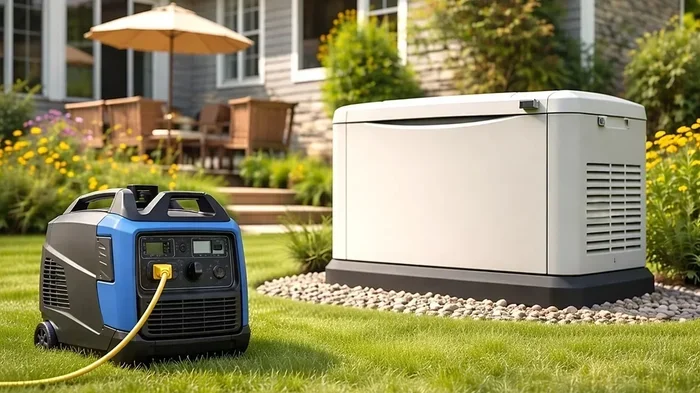
Standby vs Portable Generator Longevity
Not all generators are created equal when it comes to lifespan. The two main types of home generators, standby and portable, have very different longevity profiles. Understanding the differences helps you set realistic expectations and make the right choice for your home.
Standby Generators
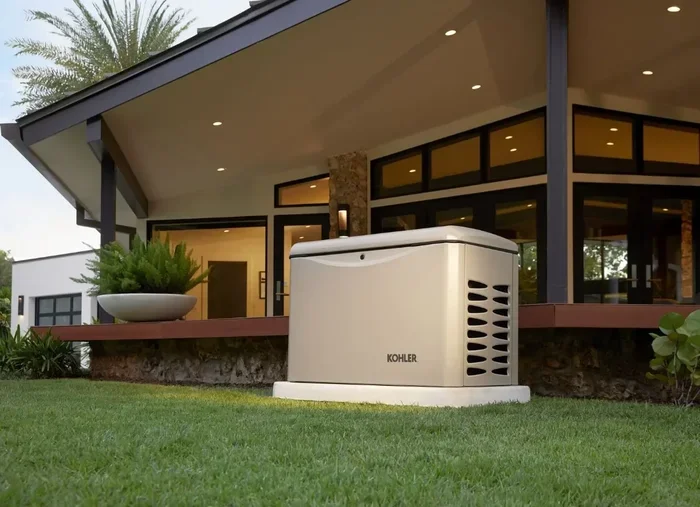
Standby generators are the heavy-duty options for homes. They are permanently installed outside, connected directly to your electrical system, and powered by natural gas or propane. These units are designed to kick on automatically when the power goes out.
Because standby generators are built with larger, more durable components, they tend to last longer. A quality standby generator can run for 20 to 40 years. They also benefit from automatic exercise cycles, which run the unit for about 10 minutes every week to keep everything lubricated and in good working order.
The trade-off is cost. Standby generators are expensive to buy and install, often ranging from $3,000 to $15,000 or more depending on the size. But if you want a reliable backup power source that will last for decades, a standby generator is hard to beat.
Portable Generators
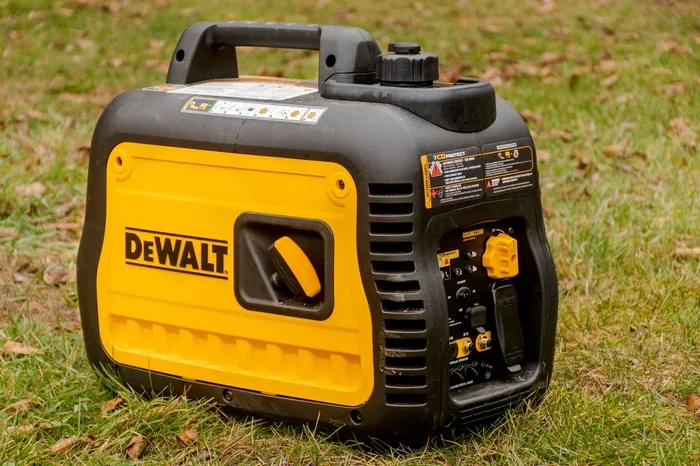
Portable generators are smaller, movable units that run on gasoline, propane, or sometimes diesel. They are great for temporary power needs, camping trips, or as a backup during short outages. However, they do not last as long as standby generators.
A typical portable generator lasts 10 to 15 years with average use. The engine and alternator are smaller, and because portable generators are often moved around and stored in varying conditions, they experience more wear and tear. Portable generators also lack automatic exercise cycles, so they may sit unused for long periods, which can cause fuel system problems and battery drain.
That said, portable generators are much more affordable, usually costing between $500 and $2,000. For homeowners who do not need full-house backup power, a portable unit is a practical and cost-effective solution.
Quick Comparison Table
| Feature | Standby Generator | Portable Generator |
|---|---|---|
| Average lifespan | 20 to 40 years | 10 to 15 years |
| Typical fuel source | Natural gas, propane | Gasoline, propane, diesel |
| Automatic start | Yes | No (manual start) |
| Exercise cycle | Yes, weekly | No |
| Power capacity | High (whole house) | Low to moderate |
| Installation cost | $3,000 to $15,000 | $500 to $2,000 |
| Maintenance level | Moderate | Moderate to high |
When you are deciding between a standby and portable generator, think about how long you want the unit to serve you and what level of backup power you need. If longevity and convenience are your top priorities, a standby generator is the clear winner.
Signs Your Generator Is Nearing the End
No matter how well you care for your generator, it will eventually show signs of aging. Catching these warning signs early helps you plan for a replacement before you are left in the dark during an outage. Here are the most common signs that your generator is nearing the end of its useful life.
Frequent Repairs
If you find yourself calling a repair technician more than once or twice a year, that is a red flag. Occasional repairs are normal, but frequent breakdowns suggest that multiple components are wearing out at the same time. At some point, it becomes more cost-effective to replace the unit rather than keep repairing it.
Drop in Power Output
Does your generator struggle to power the same appliances it used to handle easily? A noticeable drop in power output often signals internal wear. The alternator or engine may be degrading, and no amount of maintenance can fully restore lost capacity.
Unusual Noises or Vibrations
Generators make noise, but new or worsening sounds are a cause for concern. Knocking, grinding, or rattling noises often indicate worn bearings, loose components, or internal damage. Excessive vibrations can also point to engine problems that are difficult and expensive to fix.
Increased Fuel Consumption
If your generator is burning through more fuel than it used to for the same workload, the engine is likely losing efficiency. This is a common sign of aging and can mean that internal components like pistons, rings, or injectors are worn out.
Corrosion and Rust
Visible rust or corrosion on the frame, fuel lines, or electrical connections is a sign that your generator has been exposed to moisture for too long. Corrosion weakens metal parts and can lead to fuel leaks or electrical failures. While surface rust can be treated, deep corrosion often means the unit is past its prime.
Age and Outdated Technology
Sometimes the best reason to replace a generator is simply that it is old. Generators that are 20 years or older may lack modern safety features, efficiency improvements, and compatibility with newer home electrical systems. Even if your old unit still runs, upgrading to a newer model can save you money on fuel and provide better protection.
How to Extend Your Generator’s Life
The good news is that you do not have to sit back and watch your generator age. There are many things you can do to extend its lifespan and get the most out of your investment. These practical tips apply to both standby and portable generators.
Follow the Manufacturer’s Maintenance Schedule
This sounds obvious, but it is the most important tip. Every generator comes with a recommended maintenance schedule in the owner’s manual. Follow it to the letter. Change the oil on time, replace filters as recommended, and do not skip inspections. Staying on top of the maintenance schedule is the best way to ensure your generator lasts as long as it possibly can.
Run Your Generator Regularly
Even if there is no power outage, run your generator regularly. Standby generators do this automatically with their exercise cycles. Portable generators should be started and run for about 15 to 20 minutes every month. This keeps the engine lubricated, the battery charged, and the fuel system flowing. A generator that sits unused for months can develop stale fuel, dead batteries, and seized components.
Use Quality Fuel and Fuel Stabilizers
Bad fuel is one of the biggest enemies of generator longevity. Gasoline goes stale in as little as 30 days. Use fresh fuel and add a fuel stabilizer if the generator will sit for extended periods. For diesel and propane units, make sure the fuel is clean and free of contaminants. Clean fuel means a cleaner engine and fewer repair bills.
Keep the Generator Clean and Dry
Dirt, debris, and moisture are the enemies of any mechanical equipment. Keep the exterior of your generator clean and free of leaves, dust, and grime. Make sure the area around the unit is clear for proper ventilation. Use a weatherproof cover or enclosure to protect it from rain, snow, and humidity when it is not in use.
Invest in a Surge Protector and Transfer Switch
Power surges during outages can damage your generator and your home’s electrical system. A quality surge protector helps absorb voltage spikes. A transfer switch ensures that your generator connects to your home safely and efficiently, reducing strain on the unit and preventing backfeed that can damage the generator’s alternator.
Hire Professionals for Major Service
While basic maintenance like oil changes and filter replacements can be done by the homeowner, leave major servicing to the professionals. A certified technician can spot problems early, adjust settings for optimal performance, and perform repairs that keep your generator running at its best for years to come.
When to Replace Your Generator
Eventually, every generator reaches the point where replacement makes more sense than continued repair. Knowing when to make that call saves you money, frustration, and the risk of being without power when you need it most.
As a general rule of thumb, consider replacing your generator if it is more than 20 years old and needs frequent repairs. Another good guideline is the 50 percent rule: if a single repair costs more than half the price of a new generator, it is usually time to replace it. Also, if your current generator cannot meet your household’s power needs anymore, upgrading to a larger unit makes sense.
Modern generators are also more fuel-efficient and produce fewer emissions than older models. If you are tired of high fuel costs and frequent trips to the repair shop, a new generator can be a worthwhile investment that pays for itself over time through lower operating costs and better reliability.
Conclusion
How long does a home generator last is a question with no single answer, but now you have the information to figure out your specific situation. Standby generators can last 20 to 40 years, while portable units typically run for 10 to 15 years. Fuel type, maintenance habits, usage frequency, environmental conditions, and installation quality all play a role in determining your generator’s lifespan.
The most important thing you can do is stay on top of maintenance. Regular oil changes, filter replacements, fuel system care, and routine exercise runs keep your generator healthy and ready for action. Pay attention to warning signs like frequent repairs, power drops, and unusual noises, and plan for replacement when the time comes.
A generator is a significant investment, and you want it to last. By following the tips in this guide, you can maximize your generator’s lifespan, avoid unexpected failures, and enjoy reliable backup power for many years to come. Take care of your generator, and it will take care of you when the lights go out.
Frequently Asked Questions
How long does a home generator last on a full tank of gas?
A portable generator typically runs 8 to 12 hours on a full tank of gasoline, depending on the load and tank size. Standby generators connected to natural gas lines can run continuously for days as long as fuel is supplied. The total lifespan of the unit, however, depends on years of use and maintenance, not just one tank of fuel.
How often should I run my generator to extend its lifespan?
Running your generator for 15 to 20 minutes every month is a good practice. This keeps the engine lubricated, the battery charged, and the fuel system active. Standby generators handle this automatically with weekly exercise cycles. Consistent use prevents fuel system problems and keeps internal components in good condition.
Can a generator last 30 years or more?
Yes, a standby generator can last 30 years or more with excellent maintenance and light to moderate use. Natural gas and diesel generators tend to have the longest lifespans. However, portable generators and gasoline-powered units usually do not reach the 30-year mark due to shorter component life and more frequent use.
What is the most common reason generators fail early?
The most common reason is neglect. Skipping oil changes, ignoring filter replacements, and letting fuel go stale all lead to premature failure. Other causes include running the generator at full capacity constantly, poor installation, and exposure to harsh weather without proper protection.
Is it worth repairing a generator that is over 15 years old?
It depends on the repair cost and the overall condition of the unit. If the repair is minor and costs less than a few hundred dollars, it may be worth it. But if you are facing major engine or alternator repairs on an aging unit, investing in a new generator is usually the smarter choice. Use the 50 percent rule as your guide.
Does a generator warranty tell me how long it will last?
A warranty gives you an idea of the manufacturer’s confidence in the product, but it does not define the actual lifespan. Most standby generators come with a 5- to 10-year limited warranty. Portable generators often have 1- to 3-year warranties. A generator can and often does outlast its warranty with proper care and maintenance.