Will a 13000 Watt Generator Run a House During a Storm
will a 13000 watt generator run a house is an essential topic that provides valuable insights.
Key Takeaways
- A 13000 watt generator can power most essential household circuits during a storm, including lights, refrigerator, sump pump, and heating or cooling systems.
- Understand surge vs running wattage to avoid overloading your generator when motors start up.
- Always use a transfer switch to safely connect your generator to your home’s electrical system.
- Prioritize essential loads like food preservation, water access, and medical devices during an outage.
- Fuel management is critical — store enough gasoline or propane and add stabilizer for long-term storage.
- Place your generator outdoors at least 20 feet from your home to prevent carbon monoxide buildup.
- A 13000 watt generator offers great value for small to medium homes looking for reliable storm backup power.
📑 Table of Contents
What Can a 13000 Watt Generator Power?
A 13000 watt generator offers impressive power output. But watts alone do not tell the full story. You need to understand the difference between running wattage and surge wattage. Running wattage is the continuous power needed to keep appliances working. Surge wattage is the extra boost required when motors start up.
Most household appliances have a starting surge that is two to three times their running wattage. A 13000 watt generator can handle this surge for multiple devices at once. Here is a quick look at what this size unit can typically power:
- Refrigerator and freezer — about 2,200 watts to start, 700 watts to run
- Central air conditioner or heat pump — about 5,000 watts to start, 3,500 watts to run
- Sump pump — about 1,300 watts to start, 800 watts to run
- Lights (multiple rooms) — about 300 to 500 watts total
- Television and entertainment systems — about 300 to 500 watts
- Microwave oven — about 1,200 watts to start, 1,000 watts to run
- Well pump — about 2,000 watts to start, 1,000 watts to run
- Phone chargers and laptops — about 100 to 200 watts total
As you can see, a 13000 watt generator covers a lot of ground. You can run several of these items simultaneously without pushing the unit too hard. The key is knowing your priorities.
Understanding Starting vs Running Watts
Many people make the mistake of adding up only running watts. This leads to surprises when appliances fail to start. Always check the surge wattage on appliance nameplates. A 13000 watt generator gives you enough headroom to handle these surges for most common household items.
For example, a refrigerator compressor draws more power when it kicks on than when it runs steadily. The same applies to air conditioners and well pumps. A quality 13000 watt generator handles these brief spikes without tripping the breaker.
How to Calculate Your Home’s Power Needs
Before you connect anything to your 13000 watt generator, take time to calculate your actual power needs. This step prevents overloads and keeps your home safe. A simple calculation makes this process easy.
Start by listing every appliance and device you want to run during an outage. Write down the wattage for each one. You can find this information on the nameplate or in the user manual. Add up the running watts first. Then identify which items have the highest starting surge.
Here is a simple formula to follow:
- List all devices you want to power
- Find the running and starting watts for each
- Add all running watts together
- Add the highest starting surge to your total running watts
- Compare this number to your generator’s capacity
If your total stays under 13,000 watts, you are in good shape. A 13000 watt generator gives you a comfortable buffer. Most homes need between 5,000 and 10,000 watts for essential circuits during an outage. This size unit covers that range with room to spare.
Use a Power Management Strategy
Smart power management makes a big difference. You do not need to run everything at once. Prioritize what matters most during a storm. Lights, refrigeration, and medical devices come first. Entertainment systems and non-essential outlets can wait.
Many homeowners use a simple rotation system. Run high-wattage items like the air conditioner in cycles. This approach keeps your 13000 watt generator from working too hard and extends its lifespan.
Essential vs Non-Essential Loads During a Storm
When a storm hits, your power priorities shift. A 13000 watt generator can handle your essential loads easily. But you will need to make smart choices about what stays on and what goes off.
Essential loads are the devices you cannot live without during an outage. These include:
- Refrigerator and freezer to keep food safe
- Lights for safety and visibility
- Sump pump to prevent flooding
- Well pump for water access
- Heating or cooling system for comfort
- Medical devices and phone charging
- Security system and internet router
Non-essential loads include things like the oven, clothes dryer, and entertainment systems. A 13000 watt generator can handle some of these if you manage your load carefully. But during a severe storm, it is best to stick with essentials.
Create a Load Priority List
Write down your priority list before storm season arrives. This preparation saves time and stress when the power goes out. A 13000 watt generator gives you the flexibility to run most essential items comfortably. Keep this list posted near your generator so everyone in the household knows what to connect first.
Remember that some devices share circuits. A kitchen outlet might power the microwave, coffee maker, and toaster all on one circuit. Be aware of your home’s electrical setup before you start plugging things in.
Setting Up a 13000 Watt Generator Safely
Safety comes first when using any backup power system. A 13000 watt generator produces enough electricity to power your entire home. That power must be managed carefully to prevent dangers.
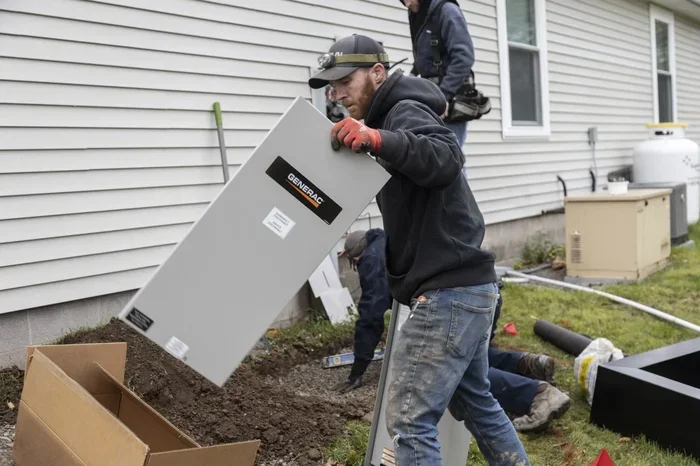
Never connect a generator directly to your home’s wiring without a transfer switch. A transfer switch isolates your generator from the grid. This prevents backfeeding, which can endanger utility workers and damage your equipment. A licensed electrician should install your transfer switch to meet local codes.
Placement and Ventilation
Place your 13000 watt generator outdoors in a well-ventilated area. Generators produce carbon monoxide, which is deadly in enclosed spaces. Keep the unit at least 20 feet from your home, doors, and windows.
Protect the generator from rain and standing water. A generator tent or canopy works well for this purpose. Never operate a generator in a garage, even with the door open. Carbon monoxide can build up quickly and become lethal.
Fuel Safety and Storage
A 13000 watt generator typically runs on gasoline or propane. Store fuel in approved containers away from living areas. Add fuel stabilizer if you plan to store gasoline for more than 30 days. Propane is a cleaner-burning alternative that stores longer without degradation.
Always let the generator cool down before refueling. Hot engine parts can ignite gasoline fumes. This simple precaution prevents fires and keeps your family safe.
Fuel Efficiency and Runtime Expectations
Runtime is a critical factor when choosing a 13000 watt generator for storm preparedness. Nobody wants to run out of fuel in the middle of a blackout. Understanding how long your generator will run helps you plan ahead.
A typical 13000 watt generator on gasoline can run for 8 to 12 hours at half load. At full load, expect closer to 6 to 8 hours. Propane models may run longer with larger tanks, but they consume fuel faster at higher loads.
Tips to Maximize Runtime
- Run at 75% capacity or less whenever possible. This reduces fuel consumption and engine wear.
- Use a load management system to cycle high-wattage devices on and off.
- Keep a fuel supply on hand — store at least 25 gallons of approved fuel.
- Consider a dual-fuel model that can switch between gasoline and propane.
- Maintain your generator regularly — clean filters and change oil as recommended.
Smart fuel management keeps your 13000 watt generator running through extended outages. During a major storm, fuel stations may be closed for days. Having enough fuel stored ahead of time makes all the difference.
Noise Considerations
A 13000 watt generator is a large unit and it makes noise. Most models produce between 65 and 75 decibels at full load. This is similar to a normal conversation. If you have close neighbors, consider placing the generator farther away or using a sound-dampening enclosure.
Many modern generators include noise-reduction features. Look for models with low-decibel ratings if noise is a concern in your neighborhood. Being a good neighbor during a storm outage goes a long way.
Is a 13000 Watt Generator Right for Your Home?
A 13000 watt generator works well for many homes, but it is not a one-size-fits-all solution. Your home’s size, your electrical system, and your power needs all play a role in determining the right generator size.
Small to medium homes with electric heat or central air will find a 13000 watt generator handles most essential circuits. Larger homes with multiple air conditioning units or electric water heaters may need a bigger unit. In those cases, a whole-house standby generator in the 20,000 to 25,000 watt range might be a better fit.
When a 13000 Watt Generator Is Perfect
- You live in a small to medium home with standard electrical service
- You only need to power essential circuits during outages
- You want a portable option that can also be used for camping or job sites
- You have a moderate budget and want reliable storm preparedness
- Your home does not rely heavily on high-draw electric appliances
When You Might Need More Power
- You have a large home with multiple central air conditioning units
- You run electric ovens, dryers, and hot tubs regularly
- You want to power your entire home without any load management
- You experience frequent long-duration outages
A 13000 watt generator gives most homeowners excellent value. It covers the essentials and leaves room for a few comforts. If your needs are modest, this size unit is a smart investment for storm season and beyond.
Maintenance Tips for Long-Term Reliability
Keep your 13000 watt generator ready for action with regular maintenance. Run the unit for 30 minutes every month to keep the engine in good shape. Change the oil after every 100 hours of use or at least once per season. Replace air filters and spark plugs according to the manufacturer’s schedule.
Store your generator in a dry, accessible location. Keep the fuel fresh and the battery charged if your model has an electric start. A well-maintained generator starts on the first pull when you need it most.
Testing your generator before storm season is especially important. Do not wait until the power is out to discover a problem. A quick test run confirms everything works and gives you peace of mind.
Conclusion
A 13000 watt generator can absolutely run a house during a storm. It handles essential circuits like refrigeration, lighting, sump pumps, and heating with ease. The key is understanding your power needs and managing your load wisely. With proper setup and smart fuel management, a 13000 watt generator keeps your home comfortable and safe through even extended outages.
Take the time now to calculate your home’s wattage requirements. Plan your load priorities. Install a proper transfer switch. These steps ensure your 13000 watt generator delivers reliable backup power when you need it most. Storm season will come whether you are ready or not. Being prepared today means your family stays safe and comfortable tomorrow.
Frequently Asked Questions
Can a 13000 watt generator power a central air conditioner?
Yes, a 13000 watt generator can power a central air conditioner. Most central AC units require about 3,500 to 5,000 watts to run continuously, with a starting surge of around 5,000 watts. This leaves plenty of capacity on a 13,000 watt unit for other essential devices like lights and the refrigerator.
How long can a 13000 watt generator run on a full tank?
A 13000 watt generator typically runs for 8 to 12 hours on gasoline at half load. At full load, expect around 6 to 8 hours. Propane models may vary depending on tank size. Always keep extra fuel on hand for extended outages.
Do I need a transfer switch for a 13000 watt generator?
Yes, a transfer switch is essential for safe operation. It prevents backfeeding into the utility grid, which can injure or kill linemen. A licensed electrician should install the transfer switch to ensure it meets local electrical codes and works properly with your 13000 watt generator.
Can a 13000 watt generator run a well pump and refrigerator at the same time?
Absolutely. A well pump draws about 1,000 running watts and a refrigerator draws about 700 running watts. Combined, they use roughly 1,700 watts. A 13000 watt generator handles this easily, leaving over 11,000 watts for other essential devices.
Is a 13000 watt generator loud?
Most 13000 watt generators produce between 65 and 75 decibels at full load. This is comparable to a normal conversation. Placing the generator farther from your home and using a sound-dampening enclosure can reduce noise significantly for both you and your neighbors.
What is the difference between a 13000 watt portable generator and a standby generator?
A portable 13000 watt generator is movable and requires manual setup. A standby generator is permanently installed and turns on automatically during an outage. Both can provide reliable storm backup power, but standby models cost more and require professional installation.