How Does a Generator Create Electricity and Power Your Home
Learn how does a generator create electricity through the fascinating process of electromagnetic induction and mechanical energy conversion. A generator transforms fuel-powered motion into usable electrical current that provides reliable home backup power when the grid fails. This guide breaks down every component and step so you fully understand how your electric generator works.
How does a generator create electricity? The answer lies in a brilliant scientific principle discovered nearly 200 years ago. A generator does not create energy from nothing. It converts mechanical energy into electrical energy through a process called electromagnetic induction. This guide walks you through every step of power generation in plain, simple language. By the end, you will understand exactly what happens inside your machine every time it starts up.
Whether you own a portable generator or are considering a standby generator, knowing how the device works gives you real confidence. You will understand why maintenance matters, what each part does, and how to choose the right unit for your home. We will also cover common mistakes, practical tips, and expert advice to help you get the most from your investment. Let us dive into the fascinating world of electricity generation.
A generator relies on the same basic science that has powered homes and businesses for over a century. The core idea is simple: motion plus magnetism equals electricity. When a conductor, like a coil of copper wire, moves through a magnetic field, it pushes electrons. That flow of electrons is what we call electrical current. Every electric generator on the market, from the smallest portable unit to the largest whole-home system, depends on this same fundamental principle.
During a power outage, your generator becomes the lifeline for your family. Lights stay on, refrigerators keep running, and heating or cooling systems continue to work. Understanding how how does a generator create electricity helps you appreciate this remarkable machine. It also helps you use it safely, maintain it properly, and choose the right size for your needs. Let us explore each part of the process in detail.
Key Takeaways
- Electromagnetic induction is the core principle behind how generators produce electricity from mechanical energy.
- The rotor, stator, and alternator work together to create a moving magnetic field that generates electrical current in copper coils.
- Portable and standby generators serve different needs, with standby units offering automatic home backup power during power outages.
- Regular generator maintenance ensures reliable wattage output and extends the lifespan of your unit significantly.
- A voltage regulator controls electrical output to protect your appliances from damaging voltage spikes.
- Understanding your kilowatt rating helps you choose the right electric generator for your household power needs.
- Always use a transfer switch for safe and efficient connection of a generator to your home’s electrical system.
📑 Table of Contents
What Is a Generator and How Does It Work
At its core, a generator is a machine that turns mechanical energy into electrical energy. It does not generate electricity from nothing. It uses motion and magnetism to push electrons through wires. This flow of electrons is what we call electrical current. Your home runs on this current every day from the utility grid, and a generator simply provides it when the grid fails.
The Basic Principle of Electricity Generation
The basic principle behind all generators is electromagnetic induction. When a magnet moves near a wire, it pushes electrons in the wire. This movement of electrons is electricity. In a generator, a spinning rotor creates a moving magnetic field. The stator, which is a set of stationary wire coils, captures that movement. The result is a flow of electrical current that can power your home.
Think of it like a water wheel. The flowing water turns the wheel, and that rotation can be used to do work. In a generator, the “water” is the magnetic field, and the “wheel” is the rotor. The spinning motion pushes electrons through the copper wires, creating usable electricity. This same principle applies whether you are using a small portable generator for camping or a large standby generator for whole-home home backup power.
Electromagnetic Induction Explained Simply
Michael Faraday discovered electromagnetic induction in 1831. He found that moving a magnet through a coil of wire produces electricity. The faster the magnet moves, the more electricity is generated. This is why generators have engines that spin at a steady speed, usually 3600 revolutions per minute for standard 60-hertz output in the United States. The combustion engine burns fuel to create this rotational force.
The key takeaway is that how does a generator create electricity comes down to motion and magnetism. No motion, no electricity. That is why the engine is so important. It provides the mechanical energy that the generator converts into electrical energy. Without the engine spinning the rotor, the magnetic field would be static, and no electricity would be produced.
The Key Parts of a Generator
Every generator has several essential parts that work together. Understanding what each part does helps you troubleshoot problems and appreciate the engineering involved. Let us look at the most important components of your electric generator.
The Rotor, Stator, and Alternator
The rotor and stator are the heart of any generator, and together they form the alternator. The rotor is the spinning part. It contains either magnets or electromagnets that create a magnetic field. The stator is the stationary part that surrounds the rotor. It contains coils of copper wire wrapped around an iron core. When the rotor spins, its magnetic field passes through the stator coils, and that is what generates electricity.
The alternator is the complete assembly of the rotor and stator working together. It is the component that actually produces the alternating current, or AC, that powers your home. The arrangement of the coils and magnets determines the voltage and frequency of the output. This is why precision manufacturing matters in generator production. A well-built alternator delivers consistent wattage output and long-lasting performance.
The rotor and stator work in perfect harmony. The rotor provides the motion, and the stator captures it as electrical energy. The copper coils in the stator are essential because copper is an excellent conductor. It allows electrons to flow freely when the magnetic field passes through. This is the exact mechanism of electromagnetic induction that answers the question of how does a generator create electricity.
The Combustion Engine and Fuel Tank
The combustion engine is what makes the rotor spin. Most home generators use gasoline, propane, or natural gas as fuel. The engine burns the fuel in controlled explosions, and the energy from those explosions pushes pistons. The pistons turn a crankshaft, which connects to the rotor. This is the fuel combustion process that starts the whole electricity generation cycle.
The fuel tank stores the gasoline or propane that feeds the engine. A larger tank means longer run times between refills. For home backup power during extended power outages, a standby generator connected to a natural gas line can run continuously without needing refueling. Portable units, on the other hand, require periodic trips to refill the fuel tank.
A well-maintained combustion engine runs smoothly and efficiently. It provides consistent rotational speed, which means steady wattage output. If the engine is not running properly, the electricity produced can be unstable, which is dangerous for sensitive electronics like computers and televisions. Regular oil changes, air filter replacements, and spark plug checks keep the engine in top shape.
The Voltage Regulator
The voltage regulator is a small but critical component. It controls the amount of electricity the generator produces. Without it, the output could spike or drop, damaging your appliances. The regulator monitors the electrical output and adjusts the magnetic field in the rotor to maintain a steady voltage.
Think of the voltage regulator like a thermostat for electricity. Just as a thermostat keeps your home at a comfortable temperature, the regulator keeps the electrical output stable. This is especially important for home backup power because your appliances need consistent electricity to work properly. A sudden voltage spike can fry circuit boards, and a drop can cause motors to overheat.
The regulator also plays a role in managing the kilowatt rating of the generator. It ensures the unit does not exceed its rated capacity, which protects both the generator and your connected devices. When shopping for a generator, look for models with built-in voltage regulation for added safety and reliability.
How Does a Generator Create Electricity Step by Step
Now that you know the parts, let us walk through the actual process. Understanding each step makes it clear how how does a generator create electricity in real time. The process is a beautiful chain of energy conversions.
Fuel Combustion and Mechanical Energy
Step one starts in the fuel tank. Fuel flows from the tank to the engine’s combustion chamber. A spark plug ignites the fuel, causing a small explosion. This explosion pushes a piston down, which turns the crankshaft. The crankshaft is connected to the rotor, so it begins to spin. This is how fuel combustion creates mechanical energy that drives the entire process.
The mechanical energy is pure rotational force. The rotor spins at a consistent speed, driven by the repeated explosions in the engine cylinders. This spinning motion is what makes everything else possible. Without it, there is no magnetic field movement, and without that, there is no electricity. The combustion engine is essentially the engine that drives the entire power generation process.
A practical example helps illustrate this. Imagine a gasoline-powered portable generator sitting in your garage during a storm. When you pull the starter cord, the engine fires up. Fuel mixes with air, ignites, and pushes the pistons. The crankshaft spins, the rotor turns, and within seconds, the generator is producing electricity. That is fuel combustion at work, converting chemical energy into mechanical motion.
Creating the Magnetic Field
As the rotor spins, it creates a magnetic field that rotates around the stator. The rotor may use permanent magnets or electromagnets powered by a small portion of the generator’s own output. This rotating magnetic field is the key to electricity generation.
The magnetic field passes through the copper coils in the stator. According to the laws of physics, a changing magnetic field through a conductor induces voltage. This induced voltage pushes electrons through the wire, creating an electrical current. The faster the rotor spins, the stronger the magnetic field changes, and the more electricity is produced.
The copper coils in the stator are carefully arranged to maximize the effect of the passing magnetic field. More coils and stronger magnets mean more electricity. This is why the design and quality of the alternator matter so much. A well-designed alternator with high-quality copper copper coils and powerful magnets will produce more electricity with less fuel.
Generating Electrical Current
The electrical current produced in the stator coils is alternating current, or AC. This is the same type of electricity that comes from your wall outlets. The current flows out of the generator through output terminals and into your home’s electrical system through a transfer switch.
The wattage output depends on several factors. The size of the stator coils, the strength of the magnetic field, and the speed of the rotor all play a role. A generator rated at 7500 watts can handle more appliances than one rated at 3000 watts. Always check the kilowatt rating before purchasing to make sure it meets your needs.
The voltage regulator continues to monitor the output throughout this process. If the load changes, such as when you turn on a high-wattage appliance like an air conditioner, the regulator adjusts to keep the voltage steady. This ensures your electronics stay safe and your home backup power remains reliable. The entire process, from fuel combustion to electrical output, happens in seconds.
Types of Generators for Home Power
Not all generators are the same. Different types serve different purposes. Choosing the right one depends on your power needs, budget, and how you plan to use it during a power outage.
Portable Generators
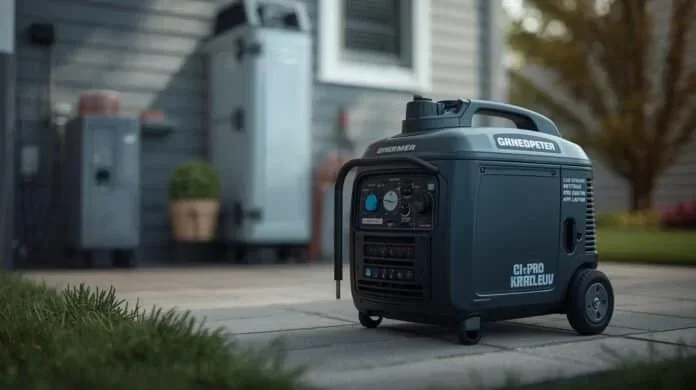
A portable generator is a compact unit you can move around easily. These units typically run on gasoline and produce between 3000 and 8000 watts. They are great for camping trips, job sites, and temporary power during short outages. You plug appliances directly into the generator’s outlets using extension cords.
Portable generators are affordable and easy to store. They are a popular choice for families who only need backup power occasionally. However, they require manual setup each time you need power. You must also be careful about carbon monoxide and never run them indoors or in enclosed spaces. They are a solid choice for occasional use and basic needs like running a refrigerator, lights, and a few electronics.
Standby Generators
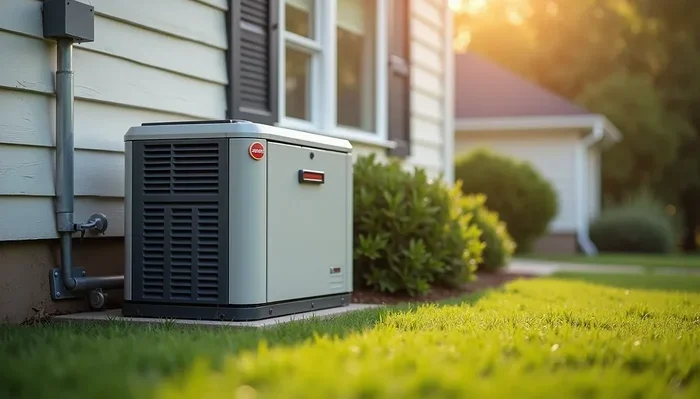
A standby generator is a permanent installation outside your home. These units connect directly to your home’s electrical system and run on natural gas or propane. When the power goes out, a standby generator detects the outage and turns on automatically, usually within seconds.
Standby generators provide seamless home backup power. They can power your entire house, including heating systems, refrigerators, and medical equipment. The wattage output of standby units ranges from 7,000 to 24,000 watts or more. They cost more upfront but offer unmatched convenience and safety. You never have to worry about setting them up during an emergency because they do the work for you.
Comparison: Portable vs Standby Generators
| Feature | Portable Generator | Standby Generator |
|---|---|---|
| Power Output | 3,000–8,000 watts | 7,000–24,000+ watts |
| Fuel Source | Gasoline | Natural gas or propane |
| Installation | No installation needed | Professional installation required |
| Automatic Start | No, manual start | Yes, automatic during outages |
| Cost Range | $500–$2,000 | $3,000–$15,000+ |
| Run Time | 8–24 hours on a tank | Unlimited with fuel supply |
| Best For | Temporary, occasional use | Whole-home backup power |
| Power Outage Response | Manual setup required | Automatic within seconds |
Your choice depends on your needs. If you only need power for a few essential items during short power outages, a portable generator works well. If you want automatic, whole-home protection and reliable home backup power, a standby generator is the better investment. Consider your budget, your household size, and how often you experience outages when making your decision.
Quick Tips, Common Mistakes, and Expert Insights
Using a generator safely and efficiently requires some know-how. Here are practical tips, common errors to avoid, and professional advice to help you get the most from your unit.
Quick Tips for Safe Generator Use
- Always place your generator outdoors in a well-ventilated area. Carbon monoxide from fuel combustion is deadly and has no smell or color.
- Use a transfer switch to connect the generator to your home’s wiring. This prevents backfeed that can endanger utility workers repairing lines during a power outage.
- Check the fuel level before each use and keep extra fuel stored safely in approved containers away from heat sources.
- Run your generator regularly to keep the engine in good condition and ensure it starts when you need it most during an emergency.
- Match your load to the generator’s capacity. Overloading can damage both the generator and your appliances. Add up the wattage of everything you plan to run.
- Use heavy-duty extension cords rated for outdoor use and the wattage of your connected devices. Never daisy-chain multiple cords together.
- Install carbon monoxide detectors in your home, especially near sleeping areas, as an extra safety measure when using any generator.
Common Mistakes to Avoid
Many people make avoidable mistakes with their generators. One of the biggest is running a generator indoors or in a garage. The carbon monoxide from fuel combustion can build up quickly and is extremely dangerous. Always keep the unit at least 20 feet from your home with the exhaust facing away from windows and doors.
Another common mistake is neglecting generator maintenance. Just like your car, a generator needs regular oil changes, air filter replacements, and spark plug checks. Skipping maintenance leads to poor performance and shorter lifespan. A well-maintained unit delivers reliable wattage output for years and starts reliably every time.
Some homeowners also fail to calculate their actual power needs. They buy a generator based on guesswork rather than adding up the wattage of the appliances they need to run. Check the kilowatt rating of each appliance and choose a unit that can handle the total load with some margin. Undersizing your generator is a costly mistake that leads to overloads and potential damage.
Expert Advice from Professionals
Electrical engineers recommend sizing your generator based on your essential loads, not your total home capacity. Focus on the appliances and systems you cannot live without, such as the refrigerator, furnace blower, medical equipment, and basic lighting. This approach keeps costs manageable while ensuring your home backup power covers the most critical needs during a power outage.
Experts also stress the importance of the transfer switch. This device safely connects your generator to your home’s wiring and prevents dangerous backfeed into the grid. Without a transfer switch, you risk sending electricity back through power lines, which can be fatal for utility workers. Always have a licensed electrician install your generator and transfer switch to meet local codes and ensure safe operation.
Conclusion
How does a generator create electricity is a question with a beautifully simple answer. A generator uses fuel combustion to spin a rotor, creating a magnetic field that moves through copper coils in the stator. This process, known as electromagnetic induction, produces an electrical current that can power your home. The voltage regulator keeps the output steady, and the combustion engine provides the mechanical energy needed to keep everything running smoothly.
Whether you rely on a portable generator for occasional use or a standby generator for whole-home backup power, understanding the basics helps you use your unit safely and effectively. Regular generator maintenance, proper load management, and correct installation all contribute to reliable performance. The wattage output and kilowatt rating of your unit should match your household needs for the best results during any power outage.
Now that you understand the process, you can approach your generator with confidence. Keep it well-maintained, use it safely, and appreciate the remarkable science that keeps your lights on when the grid goes down. How does a generator create electricity is no longer a mystery. It is a fascinating process that brings real peace of mind to homeowners everywhere who invest in reliable home backup power.
Frequently Asked Questions
What is the basic principle behind how a generator creates electricity?
How does a generator create electricity relies on electromagnetic induction. When a magnetic field moves through copper coils, it pushes electrons and creates an electrical current. This process converts mechanical energy from a combustion engine into usable electricity for your home.
What is the difference between a portable generator and a standby generator?
A portable generator runs on gasoline and must be set up manually during a power outage. A standby generator is permanently installed and connects to natural gas or propane, starting automatically when the power goes out. Standby units provide seamless home backup power for the entire house.
How much maintenance does a generator need?
Regular generator maintenance includes oil changes every 100 to 200 hours, air filter replacements, spark plug checks, and fuel system inspections. Following the manufacturer’s maintenance schedule ensures reliable wattage output and extends the lifespan of your unit significantly.
Can a generator power my entire home?
Yes, a properly sized standby generator can power your entire home. Check the kilowatt rating of the unit and add up the wattage of the appliances and systems you need to run. A professional electrician can help you size the generator correctly and install a transfer switch for safe connection.
Is it safe to run a generator indoors?
No, never run a generator indoors or in a garage. The carbon monoxide produced by fuel combustion is odorless, colorless, and extremely dangerous. Always place your generator at least 20 feet from your home with the exhaust facing away from windows and doors.
What should I do if my generator produces unstable electricity?
Unstable electricity often signals a problem with the voltage regulator, a low fuel level, or engine issues. Check the fuel and oil levels first. If the problem persists, inspect the regulator and spark plugs. Regular maintenance prevents most issues with electrical current output from your electric generator.