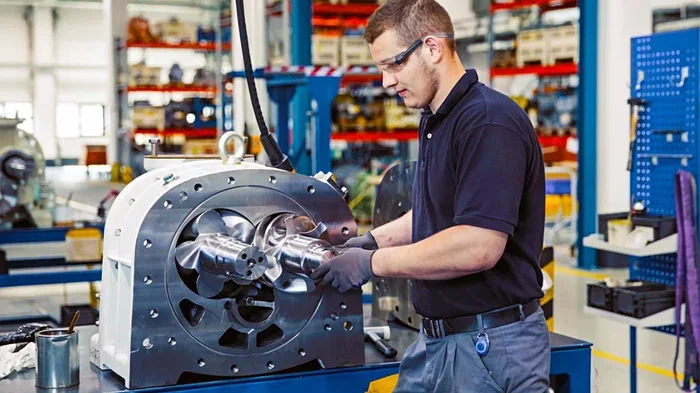
Compressor Motor Repair Everything You Need to Know
Compressor motor repair is a skill that can save you hundreds of dollars and keep your equipment running smoothly. Whether you own a single-phase compressor motor or a three-phase compressor motor, understanding how to diagnose and fix common problems puts you in control. This guide covers everything from motor burnout and overheating to winding repairs and capacitor replacement. You will learn practical steps, expert tips, and smart prevention strategies that actually work. By the end, you will know exactly how to handle compressor motor repair like a pro.
Compressors are the backbone of countless workshops, garages, and industrial operations. When the motor inside a compressor starts acting up, it can bring everything to a halt. Compressor motor repair might sound intimidating, but it is far more approachable than most people think.
Whether you are a seasoned DIY enthusiast or someone who has never opened up a motor before, this guide is for you. We will walk through every aspect of compressor motor repair in plain, straightforward language. You will learn what causes motors to fail, how to spot trouble early, and exactly what to do when problems arise.
The goal here is simple. Give you the knowledge and confidence to tackle compressor motor repair with clarity and safety. No fluff, no filler, just real, practical information you can use right away.
Key Takeaways
- Know the warning signs: Recognizing early symptoms of compressor motor failure saves time and money.
- Repair vs replacement: A detailed comparison helps you decide the most cost-effective path for your situation.
- Step-by-step repair process: Follow clear, actionable steps for diagnosing and fixing common motor issues safely.
- Prevention is powerful: Regular compressor motor maintenance dramatically extends the life of your equipment.
- Safety always comes first: Knowing when to call a professional protects both you and your investment.
- Capacitors and windings matter: These are the most common culprits behind compressor motor problems.
- DIY is doable: With the right tools and guidance, many compressor motor repair tasks are manageable at home.
📑 Table of Contents
Common Causes of Compressor Motor Failure
Understanding why a compressor motor fails is the first step toward fixing it and preventing future issues. Motors do not just stop working out of nowhere. There is almost always a reason behind the breakdown.
Overheating and Thermal Stress
Compressor motor overheating is one of the most frequent causes of motor failure. When a motor runs too hot for too long, the insulation inside the windings breaks down. This leads to short circuits and eventually a complete motor burnout.
Overheating can happen for several reasons:
- Blocked or dirty ventilation fans
- Ambient temperatures that are too high
- Continuous operation beyond the motor’s rated duty cycle
- Clogged air intake filters
- Insufficient lubrication in the compressor system
Heat is the silent killer of air compressor motors. Keeping the motor cool and well-ventilated is one of the simplest things you can do.
Electrical Problems and Power Surges
Voltage imbalances and power surges put enormous stress on compressor motor windings. A single power surge can damage the insulation and weaken the motor over time. In single-phase compressor motors, voltage drops are especially problematic because the motor already works harder to start and run.
Common electrical issues include:
- Loose or corroded electrical connections
- Damaged power cords or wiring
- Faulty start relays
- Worn-out run capacitors
- Unstable power supply voltage
Using a multimeter to check voltage levels regularly can catch these problems before they cause permanent damage.
Mechanical Wear and Tear
Over time, the mechanical parts inside a compressor motor wear down. Motor bearings are especially vulnerable. When bearings degrade, the rotor starts to wobble. This creates extra friction, generates excess heat, and puts strain on the entire motor assembly.
Other mechanical issues that lead to compressor motor failure include:
- Worn or damaged bearings
- Misaligned motor shafts
- Cracked or warped motor housings
- Debris entering the motor through intake vents
- Loose mounting bolts causing vibration damage
Regular inspection of these components can catch wear early and prevent a full motor breakdown.
Moisture and Contamination
Moisture is a serious threat to any compressor motor. When water gets inside the motor windings, it causes corrosion and short circuits. In humid environments or workshops without proper climate control, this is a real and ongoing risk.
Dust and debris also play a role. Fine particles can build up on the windings and act as an insulator, trapping heat inside the motor. Over time, this leads to the same kind of thermal damage that overheating causes.
Signs Your Compressor Motor Needs Repair
Catching the early warning signs of motor trouble can mean the difference between a simple fix and a full compressor motor replacement. The sooner you notice these symptoms, the better your chances of a successful repair.
Unusual Noises and Vibrations
Any new or unusual sound coming from your compressor deserves attention. Grinding, squealing, or rattling noises often point to bearing problems or loose internal components. A motor that vibrates excessively when running is telling you something is wrong internally.
Common noise-related issues include:
- Grinding sounds from failing motor bearings
- Rattling caused by loose fan blades or housing screws
- Humming without starting, which often indicates a capacitor or relay problem
- Screeching sounds from misaligned or worn belts
If you hear any of these sounds, turn off the compressor immediately and inspect the motor before running it again.
Reduced Performance and Pressure Drops
A healthy compressor builds pressure steadily and consistently. If your compressor is struggling to reach its normal pressure level, the motor may be losing power. This is a classic sign of compressor motor winding damage or capacitor degradation.
Watch for these performance red flags:
- Longer startup times than usual
- Pressure dropping below the normal operating range
- The motor tripping the circuit breaker frequently
- Reduced airflow from the output hose
These symptoms do not always mean the motor is dead. Often, they point to fixable issues like a failing start capacitor or a worn relay.
Burning Smells and Visual Signs
A burning smell coming from the compressor is a serious warning sign. It usually means the motor insulation is breaking down due to overheating. If you smell anything burning, shut the compressor off right away.
Visual signs to look for during inspection include:
- Discoloration or charring on the motor housing
- Melted or damaged wiring insulation
- Oil leaks around the motor seals
- Visible smoke or steam during operation
Do not ignore these signs. Continuing to run a compressor with visible damage will only make the problem worse and more expensive to fix.
Compressor Motor Repair vs Replacement
One of the biggest decisions you will face is whether to repair or replace a faulty motor. Both options have clear advantages and disadvantages. Let us break them down so you can make the best choice for your situation.
When Repair Makes Sense
Compressor motor repair is usually the better option when the damage is limited and the motor is relatively new. If the problem is a blown capacitor, a faulty relay, or a single winding issue, repair costs are often much lower than buying a new motor.
Repair makes sense when:
- The motor is less than 10 years old
- The damage is isolated to one or two components
- Replacement parts are readily available
- The repair cost is less than 50% of a new motor price
- The compressor model is still in production
In many cases, a simple motor winding repair or capacitor swap can bring a compressor back to full working order for a fraction of the cost of replacement.
When Replacement Is the Better Choice
Sometimes, replacing the motor is the smarter and safer option. If the motor has suffered a complete motor burnout, the damage may be too extensive to repair economically. Similarly, if the motor housing is cracked or the shaft is severely bent, replacement is usually the way to go.
Consider replacement when:
- The repair cost exceeds 50% of a new motor price
- The motor has suffered extensive winding damage
- The compressor is old and other components are also worn
- Replacement parts are no longer available
- Repeated repairs have already been done on the same motor
Cost Comparison
The table below gives you a general idea of what to expect when comparing repair costs against full replacement for common compressor motor issues.
| Issue | Typical Repair Cost | Typical Replacement Cost | Best Option |
|---|---|---|---|
| Capacitor failure | $30 – $80 | $300 – $800 | Repair |
| Start relay failure | $40 – $100 | $300 – $800 | Repair |
| Bearing replacement | $50 – $150 | $300 – $800 | Repair |
| Single winding damage | $100 – $250 | $300 – $800 | Repair |
| Complete motor burnout | $200 – $400 | $300 – $800 | Replacement |
| Severe shaft damage | $250+ | $300 – $800 | Replacement |
Keep in mind that these are rough estimates. Actual costs vary based on the compressor model, motor size, and your local labor rates.
Step-by-Step Compressor Motor Repair Process
Following a systematic approach to compressor motor repair helps you diagnose the problem accurately and fix it safely. Here is a clear, step-by-step process you can follow.
Step 1: Safety First
Before you touch anything, disconnect the compressor from its power source. Lock out and tag out the electrical supply to prevent accidental startup. Compressor motor repair involves working with electrical components, and safety must always come first.
Make sure you have these safety items ready:
- Insulated gloves
- Safety glasses
- Voltage tester or multimeter
- Work gloves
Step 2: Visual Inspection
Start with a thorough visual inspection of the motor. Look for obvious signs of damage like burnt wiring, cracked housings, or loose connections. Check the run capacitor for any bulging or leaking. Inspect the start relay for burn marks or discoloration.
This step alone often reveals the problem. Many compressor motor troubleshooting cases are solved with a careful visual check.
Step 3: Test the Capacitors
Capacitors are among the most common failure points in compressor motors. Use a multimeter set to capacitance mode to test both the start and run capacitors. Compare your readings to the values printed on the capacitor.
If a capacitor reads significantly below its rated value or shows zero capacitance, it needs to be replaced. This is a quick, inexpensive fix that solves many motor problems.
Step 4: Check the Windings
Testing the motor windings is a critical part of compressor motor diagnosis. Set your multimeter to the resistance or ohms setting and measure the resistance across each winding phase. Compare your readings to the manufacturer specifications.
Here is what to look for:
- Open windings: Infinite or very high resistance indicates a broken winding
- Shorted windings: Very low resistance compared to spec suggests a short circuit
- Ground faults: Low resistance between the winding and the motor housing indicates insulation failure
If you find winding issues, you may be able to rewind the motor or replace the winding section depending on the extent of the damage.
Step 5: Inspect the Bearings
Spin the motor shaft by hand and feel for any roughness or grinding. Smooth, quiet rotation is what you want. Any grittiness or noise points to worn bearings that need replacement.
Replacing motor bearings is a straightforward task. Make sure you get the correct bearing size for your specific motor model. Grease-packed bearings are common in smaller air compressor motors and are easy to swap out.
Step 6: Reassemble and Test
After completing all repairs, reassemble the motor carefully. Make sure all connections are tight and secure. Before powering on, double-check that nothing is loose and that the area around the motor is clear of tools and debris.
Power on the compressor and monitor it closely during the first few minutes of operation. Listen for unusual sounds, feel for excessive heat, and verify that the motor reaches normal operating pressure smoothly.
Quick Tips for Successful Motor Repair
- Always take photos before disassembling so you can remember how everything goes back together
- Label every wire and connection before you disconnect it
- Keep a spare capacitor and relay on hand for common fixes
- Clean the motor thoroughly before starting any repair work
- Take your time and never rush through a diagnosis
How to Prevent Compressor Motor Problems
Prevention is always better than repair. A little regular maintenance goes a long way toward keeping your compressor motor running strong for years to come.
Regular Maintenance Schedule
Creating a simple maintenance schedule helps you stay ahead of potential problems. Here is a basic routine to follow:
- Weekly: Check for unusual noises, vibrations, or pressure drops during operation
- Monthly: Clean the motor housing and ventilation openings to prevent dust buildup
- Quarterly: Inspect and test capacitors and relays with a multimeter
- Every 6 months: Check and lubricate motor bearings if applicable
- Annually: Perform a full electrical inspection including winding resistance and ground fault tests
Environmental Factors to Consider
Where you store and operate your compressor matters more than you might think. Compressor motor maintenance includes controlling the environment around the equipment.
Keep your compressor in a dry, well-ventilated area. Avoid placing it near sources of heat or moisture. In dusty workshops, consider adding an air intake filter to protect the motor from particle contamination.
Proper Operating Practices
How you use your compressor directly affects the life of the motor. Following proper operating practices reduces stress on the compressor motor windings and other internal components.
- Never exceed the compressor’s rated duty cycle
- Allow the motor to cool down between heavy use periods
- Avoid frequent on-off cycling that puts extra strain on the start circuit
- Use the correct pressure settings for your application
- Ensure the power supply voltage remains stable and within the motor’s rated range
Common Mistakes That Shorten Motor Life
Many compressor owners unknowingly shorten their motor’s lifespan through simple mistakes. Being aware of these pitfalls helps you avoid them.
- Ignoring unusual sounds: Small noises often signal the beginning of a bigger problem
- Skipping capacitor checks: A failing capacitor puts extra stress on the entire motor
- Running the compressor beyond its limits: Overworking the motor leads to premature wear
- Neglecting lubrication: Dry bearings wear out fast and cause vibration damage
- Using the wrong replacement parts: Always match capacitors and relays to the original specifications
Expert Insight: The Hidden Cost of Neglect
Experienced technicians consistently report that the majority of compressor motor failures are preventable. A simple 10-minute inspection each week can catch small issues before they become expensive repairs. The most successful compressor owners are the ones who stay proactive rather than reactive.
When to Call a Professional for Compressor Motor Repair
There is no shame in calling in a professional. Some compressor motor repair tasks are perfectly suited for a trained technician, and knowing when to make that call is part of being a smart equipment owner.
Complex Electrical Issues
If your compressor motor troubleshooting reveals complex electrical problems like widespread winding damage or a faulty control board, professional help is the smart move. Working with high-voltage electrical components without proper training and equipment can be dangerous.
Warranty Considerations
If your compressor is still under warranty, attempting your own repairs may void the coverage. Always check your warranty terms before opening up the motor. Many manufacturers offer compressor motor replacement services as part of their warranty support.
When the Motor Needs Rewinding
Motor rewinding is a specialized skill that requires specific equipment and expertise. If your compressor motor winding repair needs go beyond simple inspection and testing, a professional rewinding service can restore the motor to like-new condition.
Finding the Right Technician
When you do need professional help, look for a technician who specializes in compressor systems. Ask for referrals from other compressor owners in your area. Check reviews and verify that the technician has experience with your specific compressor model.
Conclusion
Compressor motor repair is a valuable skill that saves money, reduces downtime, and keeps your equipment running at peak performance. From understanding the common causes of motor burnout to mastering the step-by-step repair process, this guide has covered the essentials you need to know.
Remember that regular compressor motor maintenance is your best defense against unexpected failures. A little prevention goes a long way toward avoiding costly repairs and premature motor replacement. Whether you handle the repair yourself or bring in a professional, the knowledge you have gained here puts you in a much stronger position.
Take what you have learned and apply it confidently. Check your capacitors, inspect your windings, listen for unusual sounds, and keep your compressor clean and well-ventilated. With the right approach, your compressor motor will serve you reliably for many years to come.
Frequently Asked Questions
How long does compressor motor repair typically take?
Most compressor motor repair jobs can be completed in a few hours for common issues like capacitor or relay replacement. More complex repairs such as winding repairs or bearing replacement may take a full day or longer, depending on the severity of the damage and your experience level.
Can I repair a compressor motor myself if I have no electrical experience?
Simple repairs like capacitor replacement and relay swaps are beginner-friendly and can be done with basic tools. However, if you have no electrical experience, it is wise to start with visual inspections and basic tests before attempting any internal repairs. Always prioritize safety and do not hesitate to call a professional for anything beyond your comfort level.
How much does it cost to repair a compressor motor?
The cost varies widely depending on the problem. Simple fixes like replacing a run capacitor or start relay typically cost between $30 and $100 for parts. More involved repairs like winding repair or bearing replacement can range from $100 to $300. Full motor replacement usually costs between $300 and $800.
What causes a compressor motor to overheat?
Compressor motor overheating is commonly caused by blocked ventilation, dirty air filters, continuous operation beyond the rated duty cycle, high ambient temperatures, or insufficient lubrication. Over time, overheating breaks down the motor insulation and leads to motor burnout if the root cause is not addressed.
How do I know if my compressor motor needs to be replaced instead of repaired?
Replacement is usually the better option when the repair cost exceeds 50% of the price of a new motor, when the motor has suffered a complete burnout with extensive winding damage, or when the compressor is old and other components are also showing significant wear. A professional diagnosis can help you make this decision confidently.
How often should I perform maintenance on my compressor motor?
A basic visual inspection should be done weekly. Monthly cleaning of the motor housing and ventilation openings helps prevent dust buildup. Quarterly electrical testing of capacitors and relays is recommended. A thorough annual inspection including winding resistance and bearing checks will keep your compressor motor in excellent condition for years.