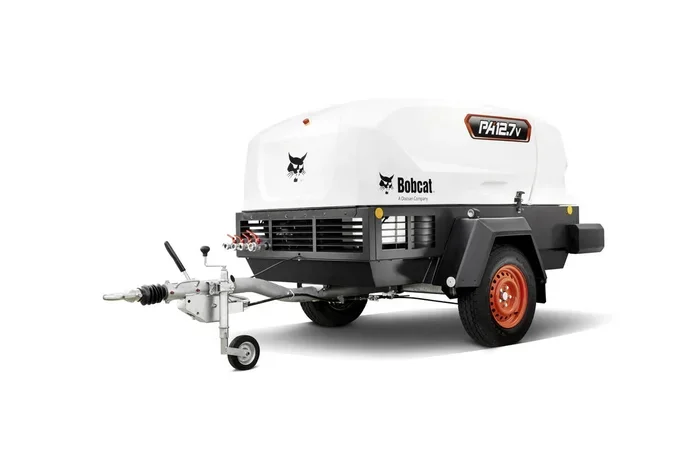
Bobcat Oil Flooded Air Compressor Buying Guide and Tips
bobcat oil flooded air compressor is an essential topic that provides valuable insights.
Key Takeaways
- Reliable Performance: A bobcat oil flooded air compressor delivers consistent air pressure and smooth operation for heavy-duty applications.
- Built to Last: The oil lubrication system reduces wear on internal components, extending the compressor lifespan significantly.
- Cooler Running: Oil absorbs heat during compression, allowing the unit to maintain a 100% duty cycle without overheating.
- Match CFM to Your Needs: Always calculate the combined CFM of your tools and choose a unit that exceeds that demand by 20%.
- Regular Maintenance Matters: Oil changes, filter replacements, and moisture trap draining keep the machine running efficiently for years.
- Use the Right Oil: Only use manufacturer-recommended compressor oil to prevent carbon buildup and pump damage.
- Consider Total Cost of Ownership: A slightly higher upfront cost often means fewer repairs, less downtime, and better long-term value.
📑 Table of Contents
- What Is a Bobcat Oil Flooded Air Compressor?
- Key Benefits of Using a Bobcat Oil Flooded Air Compressor
- How to Choose the Right Bobcat Oil Flooded Air Compressor
- Top Bobcat Oil Flooded Air Compressor Models Compared
- Maintenance Tips for Peak Performance
- Common Mistakes to Avoid When Buying and Using a Bobcat Oil Flooded Air Compressor
- Final Thoughts on the Bobcat Oil Flooded Air Compressor
What Is a Bobcat Oil Flooded Air Compressor?
A bobcat oil flooded air compressor is a type of rotary screw compressor that uses oil to fill the compression chamber. This oil serves multiple purposes. It lubricates the moving parts, seals gaps between rotors, and helps cool the system during operation. The result is a machine that runs cooler, lasts longer, and delivers steady air pressure without spikes or drops.
How the Oil Flooded System Works
When the compressor starts, oil is injected into the compression chamber. The rotors spin and trap air, while the oil reduces friction and absorbs heat. After compression, the air passes through an oil separation tank where most of the oil is removed before the air reaches your tools. A small amount of oil vapor may remain, but modern bobcat oil flooded air compressor units use advanced separation technology to keep this to a minimum.
Key Components You Should Know
Understanding the main parts helps you troubleshoot issues and talk confidently with sellers. Here are the essential components:
- Rotors – The twisted screws that compress the air inside the chamber.
- Oil injection ports – These deliver lubricant directly into the compression area.
- Oil separation tank – Removes oil from the compressed air before it exits the unit.
- Cooling system – Uses the oil and sometimes a fan or radiator to keep temperatures stable.
- Compressor pump – The heart of the machine that draws in and compresses ambient air.
- Control panel – Lets you monitor air pressure, duty cycle, and operating status.
Oil Flooded vs Oil Free Compressors
It helps to understand the difference between an oil flooded compressor and an oil free compressor. Oil free models use special coatings or water to seal and cool the chamber. They deliver cleaner air, which is great for food processing or painting. However, they tend to run hotter and wear out faster under heavy use. An oil lubricated compressor like the bobcat oil flooded air compressor trades a small amount of oil carryover for superior durability and cooler running temperatures. For most industrial and construction applications, the oil flooded design wins on longevity and performance.
Key Benefits of Using a Bobcat Oil Flooded Air Compressor
Why do so many professionals choose a bobcat oil flooded air compressor over other options? The benefits are clear and practical.
Superior Durability and Longevity
The oil inside a flooded compressor reduces metal-on-metal contact. This means less wear on the rotors, bearings, and housing. Over time, a well-maintained bobcat oil flooded air compressor can run for tens of thousands of hours before needing major repairs. This durability translates directly into a lower total cost of ownership.
Consistent Air Pressure and Flow
Oil sealed compressors maintain a more uniform cubic feet per minute (CFM) output. Whether you are running one air compressor tool or several at once, the pressure stays steady. This consistency matters when you are using precision tools like sanders, spray guns, or pneumatic wrenches on a job site.
Cooler Operation Under Heavy Loads
Heat is the enemy of any compressed air system. The oil absorbs heat generated during compression and carries it away from critical components. This allows a bobcat oil flooded air compressor to run at full duty cycle for extended periods without overheating or tripping thermal protection switches.
Lower Noise Levels
Because the oil dampens vibration and reduces friction, these compressors tend to run quieter than dry-running alternatives. On a busy job site or inside a workshop, lower noise means a more comfortable and safer working environment.
Higher Horsepower Efficiency
Oil flooded designs transfer power more efficiently. The lubrication allows the rotors to spin with less resistance, which means the motor does not have to work as hard. A heavy duty compressor with this design gets more output per horsepower compared to many other compressor types.
How to Choose the Right Bobcat Oil Flooded Air Compressor
Not every bobcat oil flooded air compressor is the right fit for every job. Choosing the correct model depends on several factors. Let us walk through the most important ones.
Understanding CFM and Horsepower
Cubic feet per minute (CFM) tells you how much air the compressor delivers at a given pressure. Horsepower (HP) tells you the motor’s power input. A general rule is that higher horsepower supports higher CFM output. For light-duty workshop tasks, a 5-7 HP unit delivering 15-20 CFM works well. For heavy construction or manufacturing, you may need 15-30 HP with 50-100+ CFM. Always match the compressor’s CFM rating to the combined demand of all the tools you plan to run simultaneously.
Tank Size Matters
The compressor tank stores compressed air and reduces the frequency of motor start-stop cycles. A larger tank means more reserve air and longer running time between cycles. For tools that need bursts of air like impact wrenches or sandblasters, a bigger tank smooths out demand. For continuous-use applications like spray painting or running multiple pneumatic tools at once, a larger tank also helps maintain steady air pressure.
Duty Cycle Considerations
The duty cycle is the percentage of time a compressor can run within a 10-minute period without overheating. A 100% duty cycle means the compressor can run continuously. Many bobcat oil flooded air compressor models offer 100% duty cycles because the oil cooling system handles sustained loads effectively. If you plan to run your compressor all day, prioritize models with a 100% duty cycle rating.
Portability and Setup
Some bobcat oil flooded air compressor units are designed as stationary industrial air compressor systems, while others are mounted on wheels for portability. Consider where you will use the machine most often. A portable heavy duty compressor with sturdy wheels and a manageable weight makes sense for contractors who move between sites. A stationary unit works well for a fixed workshop or factory floor.
Oil Type and Maintenance Requirements
Not all compressor oils are the same. Bobcat recommends using their proprietary compressor oil or a high-quality synthetic oil that meets the specifications in your owner’s manual. Using the wrong compressor oil grade can lead to poor lubrication, carbon buildup, and premature pump failure. Always check the oil type and change interval before purchasing a unit.
Top Bobcat Oil Flooded Air Compressor Models Compared
To help you compare options, here is a look at some popular bobcat oil flooded air compressor models and their key specifications.
| Model | Horsepower | CFM (at 90 PSI) | Tank Size | Duty Cycle | Best For |
|---|---|---|---|---|---|
| Bobcat 10 HP | 10 HP | 22 CFM | 60 Gallons | 100% | Medium workshops and light construction |
| Bobcat 20 HP | 20 HP | 45 CFM | 120 Gallons | 100% | Heavy construction and manufacturing |
| Bobcat 30 HP | 30 HP | 75 CFM | 240 Gallons | 100% | Large industrial operations and multiple-tool setups |
| Bobcat Portable 15 HP | 15 HP | 35 CFM | 80 Gallons | 100% | Contractors moving between job sites |
When comparing models, always look beyond just horsepower. A 20 HP unit with a 120-gallon tank and 100% duty cycle will outperform a 20 HP unit with a small tank and an intermittent duty cycle. Consider your actual work demands before deciding.
Maintenance Tips for Peak Performance
A bobcat oil flooded air compressor can last for decades with proper care. Regular maintenance keeps the machine running efficiently and prevents costly breakdowns. Here is a practical maintenance schedule you can follow.
Oil Changes
Change the compressor oil every 1,000 to 2,000 operating hours, or at least twice a year if you use the machine frequently. Old oil loses its lubricating properties and can cause internal wear. Always drain the old oil completely and refill with the recommended compressor oil grade. Check the oil level before every shift and top off as needed.
Air Filter Replacement
The intake filter prevents dust and debris from entering the compression chamber. A clogged filter restricts airflow and forces the motor to work harder. Inspect the filter weekly and replace it when it looks dirty or damaged. Clean operating conditions mean longer compressor lifespan and better air quality.
Oil Filter and Separator Maintenance
The oil filter keeps contaminants out of the lubrication system. The oil separation tank removes oil from the compressed air output. Both components should be checked and replaced according to the manufacturer’s schedule. A failing separator can let oil carry over into your tools and work surfaces, which wastes oil and can damage finished products.
Regular Inspection of Belts and Hoses
Check drive belts for cracks, fraying, or improper tension. Inspect air hoses for leaks, kinks, or worn fittings. Even a small leak can reduce system efficiency and waste energy. Tighten connections and replace damaged parts promptly to keep your compressed air system running at peak efficiency.
Drain the Moisture Trap
Compressed air contains moisture that condenses inside the tank. If you do not drain the moisture trap regularly, water can corrode the tank interior and damage downstream tools. Make it a habit to drain the tank after every use or at least once daily during heavy operation.
- Keep a maintenance log to track oil changes, filter replacements, and repairs.
- Always warm up the compressor for 2-3 minutes before putting it under full load.
- Store the unit in a clean, dry area to prevent rust and debris buildup.
- Use only manufacturer-approved compressor oil and replacement parts.
Common Mistakes to Avoid When Buying and Using a Bobcat Oil Flooded Air Compressor
Even experienced buyers make mistakes. Here are the most common errors and how to avoid them.
Underestimating CFM Requirements
Many buyers choose a compressor based on horsepower alone and ignore CFM ratings. If your tools demand more air than the compressor can deliver, the unit will cycle constantly and wear out prematurely. Always add up the CFM requirements of all tools you plan to run at the same time, then choose a bobcat oil flooded air compressor that exceeds that total by at least 20%.
Skipping Regular Oil Changes
It is tempting to stretch oil change intervals, especially when the machine seems to be running fine. But degraded oil increases friction and heat inside the pump. Over time, this leads to expensive repairs or total pump failure. Stick to the recommended oil change schedule and use the correct oil type.
Ignoring the Duty Cycle Rating
Buying a compressor with a 50% duty cycle for a full-day operation is a recipe for overheating and shutdowns. Always match the duty cycle to your actual usage pattern. For continuous operations, only choose units rated for 100% duty cycle.
Using the Wrong Oil
Not all oils are created equal. Using automotive engine oil or generic lubricant in your bobcat oil flooded air compressor can cause carbon deposits, sludge buildup, and poor performance. Always use compressor-specific oil that meets the manufacturer’s specifications.
Neglecting the Moisture Trap
Water buildup is a silent killer of compressed air systems. Many users forget to drain the tank and moisture separator regularly. This leads to internal corrosion, reduced tank life, and contaminated air that damages your tools and finished work.
Final Thoughts on the Bobcat Oil Flooded Air Compressor
A bobcat oil flooded air compressor is a smart choice for anyone who needs reliable, powerful, and consistent compressed air for demanding work. The oil flooded design offers superior cooling, reduced wear, and excellent durability compared to oil-free alternatives. Whether you are running a small workshop or managing a large construction project, the right model can make your daily operations smoother and more productive.
Take the time to match the compressor to your specific needs. Consider CFM, horsepower, tank size, and duty cycle carefully. Follow a regular maintenance schedule and use the correct oil and filters. A well-chosen and well-maintained bobcat oil flooded air compressor will serve you reliably for many years to come.
Do not let an underpowered or poorly maintained compressor slow down your work. Use the tips in this guide to make a confident, informed decision. Your future self will thank you every time you fire up the machine and it starts right up, delivers steady air pressure, and keeps running all day long.
Frequently Asked Questions
What is a bobcat oil flooded air compressor and how does it work?
A bobcat oil flooded air compressor is a rotary screw compressor that uses oil to lubricate, seal, and cool the compression chamber. The oil is injected into the chamber where the rotors spin and compress air. After compression, the air passes through an oil separation tank that removes most of the oil before it reaches your tools. This design provides smooth, consistent air pressure and extends the life of internal components.
How often should I change the oil in my bobcat oil flooded air compressor?
Most manufacturers recommend changing the oil every 1,000 to 2,000 operating hours, or at least twice per year for regular users. Always use the compressor oil grade specified in your owner’s manual. Neglecting oil changes leads to increased friction, heat buildup, and premature pump wear.
Can I use a bobcat oil flooded air compressor for painting or food-grade applications?
Oil flooded compressors leave a small amount of oil vapor in the output air, which makes them less ideal for painting or food processing. For those applications, an oil free compressor or a dedicated filtration system is recommended. However, many workshops use bobcat oil flooded air compressor units successfully for general-purpose tasks where trace oil is not a concern.
What is the difference between a bobcat oil flooded compressor and an oil-free compressor?
The main difference is that an oil flooded compressor uses oil inside the compression chamber for lubrication and cooling, while an oil free compressor uses special coatings or water instead. Oil flooded models run cooler, last longer under heavy use, and deliver more consistent CFM. Oil free models provide cleaner air but tend to wear faster and run hotter. Choose based on your air quality requirements and workload intensity.
How do I know what size bobcat oil flooded air compressor I need?
Add up the CFM requirements of all the tools you plan to run at the same time, then choose a unit that exceeds that total by at least 20%. Also consider tank size for reserve air and duty cycle for continuous operation needs. A heavy duty compressor with a higher CFM and 100% duty cycle gives you the most flexibility for demanding jobs.
What maintenance does a bobcat oil flooded air compressor require?
Regular maintenance includes oil changes every 1,000-2,000 hours, air filter inspection and replacement, oil filter and separator maintenance, belt and hose checks, and daily moisture trap draining. Following a consistent maintenance schedule keeps your compressed air system running efficiently and prevents costly breakdowns.