How Long Does It Take to Replace Your AC Compressor
Replacing an AC compressor typically takes between 4 and 8 hours for a standard central air system. The actual AC compressor replacement time depends on factors like the type of unit, accessibility, and whether you are replacing just the compressor or the entire outdoor condensing unit. A licensed HVAC technician can complete most jobs in a single day, but complex installations or older systems may require extra time.
Your air conditioning system works hard to keep your home cool during the hottest months of the year. At the heart of that system sits the air conditioning compressor, a component responsible for cycling refrigerant through your cooling system. When that compressor fails, the comfort of your entire home goes out the window. If you are facing a compressor failure, one of the first questions you will ask is: how long does it take to replace it?
The short answer is that most AC compressor replacements take between 4 and 8 hours. But that number can shift based on several factors we will explore in this guide. Whether you have a central air system, a heat pump, or a split unit, understanding the timeline helps you plan ahead. This article breaks down every stage of the AC compressor replacement time, from the initial diagnosis to the final test run. You will learn what the technician does, what can slow things down, and how to decide between a compressor-only swap and a full unit replacement.
Key Takeaways
- Standard replacement takes 4 to 8 hours: Most HVAC professionals finish a typical AC compressor swap in one workday.
- Full unit replacement can take longer: Swapping the entire condensing unit may extend the job to a full day or more.
- Several factors affect timing: Unit age, accessibility, refrigerant type, and ductwork condition all play a role.
- Cost ranges widely: Expect to pay between $1,200 and $5,000 depending on the compressor and labor.
- DIY is not recommended: This job requires specialized tools, refrigerant handling certification, and electrical know-how.
- Regular maintenance helps prevent failure: Routine AC maintenance can extend compressor life and avoid unexpected breakdowns.
📑 Table of Contents
- How Long Does the AC Compressor Replacement Process Take?
- What Happens During an AC Compressor Replacement?
- Factors That Affect Replacement Time
- How Much Does It Cost to Replace an AC Compressor?
- Signs Your AC Compressor Needs Replacement
- Can You Replace Just the Compressor or the Whole Unit?
- Should You Attempt a DIY Compressor Replacement?
- How to Speed Up the Replacement Process
- Maintenance Tips to Extend Compressor Life
- Conclusion
How Long Does the AC Compressor Replacement Process Take?
Let us start with the big picture. A standard AC compressor replacement usually takes one full business day. A skilled HVAC technician will show up with the right tools, the new compressor, and a plan. Most residential jobs wrap up in 4 to 8 hours. However, that is just an average. Your specific timeline could be shorter or longer depending on what we discuss below.
What Happens in the First Hour?
The technician starts by shutting off power to the unit. Safety always comes first. Next, they check the refrigerant lines and measure system pressure. This helps confirm that the compressor is actually the problem and not something else, like a faulty thermal expansion valve or a clogged filter. Many technicians also check the compressor clutch to see if it is engaging properly. This initial diagnostic phase usually takes about 30 to 60 minutes.
What Happens During the Middle Hours?
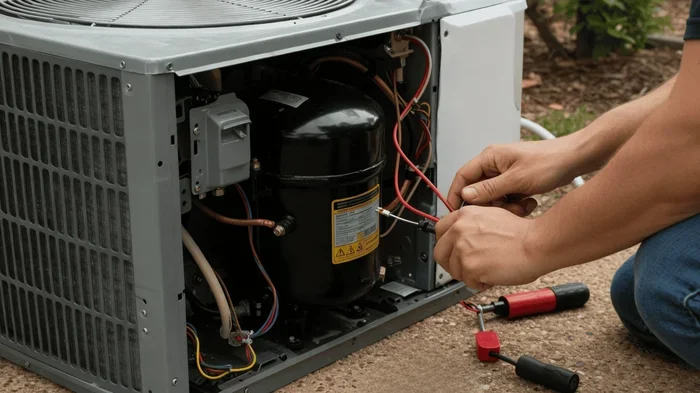
Once the diagnosis is confirmed, the technician begins the physical replacement. This involves disconnecting the electrical connections, removing the old compressor, and installing the new one. They also need to handle refrigerant properly, which requires special recovery equipment. The middle phase of any how long does it take to replace AC compressor job usually takes the bulk of the time, around 2 to 4 hours for a straightforward swap.
What Happens in the Final Hours?
After the new compressor is in place, the technician recharges the system with refrigerant. They then run the unit to check for proper cooling, pressure levels, and any leaks. This testing phase is critical. It typically takes 1 to 2 hours. If everything checks out, the job is done. If there is an issue, such as a refrigerant leak or an electrical problem, the technician will need to troubleshoot further, which adds time.
What Happens During an AC Compressor Replacement?
Understanding the step-by-step process gives you a clearer picture of why the AC compressor replacement time is what it is. Here is a detailed look at what your technician does from start to finish.
Step 1: System Shutdown and Safety Checks
The technician cuts power to the outdoor condensing unit and the indoor air handler. They verify that no electrical current is running through the system. This is a non-negotiable safety step. Rushing this phase can lead to serious injury or equipment damage.
Step 2: Refrigerant Recovery
Before removing the old compressor, the technician must recover the refrigerant. Refrigerant is a regulated substance, and it cannot simply be vented into the air. The technician uses a recovery machine to extract the refrigerant and store it properly. This step alone can take 30 to 60 minutes, depending on the system size.
Step 3: Removing the Old Compressor
With the refrigerant safely recovered, the technician disconnects the electrical wiring, removes mounting bolts, and pulls the old compressor out. On some systems, the compressor is located in a tight space, which can make removal tricky. If the ductwork around the unit is obstructed or deteriorated, the technician may need to clear or repair it first.
Step 4: Installing the New Compressor
The new compressor is placed in position, secured with mounting bolts, and reconnected to the electrical connections. The technician also reconnects the refrigerant lines and ensures all fittings are tight. Proper brazing of copper lines is essential to prevent leaks. This is delicate work that requires experience and precision.
Step 5: System Recharge and Testing
Once the new compressor is installed, the system is recharged with refrigerant. The technician then powers the unit back on and monitors its performance. They check the temperature differential, pressure readings, and listen for unusual sounds. A final inspection confirms everything is working as it should.
Factors That Affect Replacement Time
The AC compressor replacement time is not the same for every home. Several factors can shorten or extend the timeline. Understanding these helps you set realistic expectations.
Type of AC System
A central air system with a standard split configuration is usually the fastest to service. A heat pump compressor replacement may take longer because heat pumps have additional components and reversing valves. Packaged units, where all components sit in one cabinet, can also require extra time due to limited access.
Age and Condition of the Unit
Older units often present challenges. Rusted bolts, corroded connections, and brittle refrigerant lines can all slow down the process. If the system uses an older refrigerant like R-22, the technician may need to handle it with extra care due to environmental regulations. In some cases, the compressor clutch or mounting brackets may be seized, requiring additional tools and effort to remove.
Accessibility of the Outdoor Unit
Is your outdoor unit sitting on a flat roof, in a cramped crawl space, or surrounded by landscaping? Accessibility matters a lot. A unit that is easy to reach with clear working space allows the technician to move quickly. A unit tucked behind a fence or up on a difficult-to-reach roof can add hours to the job.
Whether You Replace Just the Compressor or the Whole Unit
Replacing only the compressor is generally faster than replacing the entire condensing unit. However, if the technician discovers additional damage during the process, such as a burned-out electrical contactor or a failed capacitor, they may recommend replacing more components. This can extend the timeline but also prevents future breakdowns.
Need for Ductwork Repairs
If the technician finds damaged ductwork during the replacement, they may need to repair or seal it before finishing. This adds time but is important for system efficiency. Poorly sealed ducts can reduce energy efficiency and raise your utility bills.
How Much Does It Cost to Replace an AC Compressor?
Cost is closely tied to the AC compressor replacement time because labor hours directly affect the final bill. On average, homeowners pay between $1,200 and $5,000 for a compressor replacement. The wide range reflects differences in unit size, compressor type, and regional labor rates.
The compressor part itself usually costs between $400 and $2,500. Labor typically runs between $500 and $2,000, depending on how long the job takes. If your technician discovers additional issues, such as a refrigerant leak or electrical damage, the cost can climb higher.
Here is a quick comparison of common scenarios:
- Compressor-only replacement: $1,200 to $2,500. This is the most affordable option and works well if the rest of the unit is in good shape.
- Full condensing unit replacement: $3,000 to $5,000. This is recommended when the compressor failure has damaged other components.
- Full system replacement: $5,000 to $10,000+. This is the most expensive option but may be the best choice for older systems with low SEER ratings.
Some homeowners wonder whether the cost is similar to replacing other major equipment, like a home generator cost. In many ways, the comparison holds. Both are significant investments that keep your home running comfortably. Just as you would research home generator cost before a purchase, you should get multiple quotes for compressor replacement.
Signs Your AC Compressor Needs Replacement
Catching compressor failure early can save you from a complete system breakdown on the hottest day of the year. Here are the most common warning signs.
- Warm air from vents: If your system is running but blowing warm air, the compressor may not be pumping refrigerant properly.
- Loud or unusual noises: Grinding, squealing, or clanking sounds from the outdoor unit often point to internal compressor damage.
- Frequent cycling: If your AC turns on and off more often than usual, the compressor may be struggling to start.
- Tripped circuit breakers: A failing compressor draws more electrical current, which can trip your breaker repeatedly.
- Ice buildup on the unit: Low refrigerant flow caused by a failing compressor can lead to frost or ice on the outdoor coil.
- Rising energy bills: A compressor that works harder than it should will drive up your electricity usage significantly.
If you notice any of these signs, call a licensed HVAC technician right away. Ignoring the problem will only make it worse and more expensive to fix.
Can You Replace Just the Compressor or the Whole Unit?
This is one of the most common questions homeowners ask. The answer depends on the age and condition of your system.
When Compressor-Only Replacement Makes Sense
If your unit is less than 8 years old and the rest of the system is functioning well, replacing just the compressor is a smart move. The AC compressor replacement time is shorter, the cost is lower, and you get to keep a system with a solid energy efficiency rating. Many compressors come with a 5- to 10-year warranty, which adds peace of mind.
When Full Unit Replacement Is Better
If your unit is over 10 years old, a compressor-only replacement may not be worth it. The remaining components are also aging, and another failure could be just around the corner. In this case, replacing the entire condensing unit or the full system makes more financial sense in the long run. A new unit will also operate at a higher SEER rating, saving you money on energy bills every month.
The Role of Electrical Systems in HVAC Equipment
Your HVAC system relies on a stable electrical supply to operate efficiently. If you have experienced power outages or electrical issues in your home, it may be worth looking into backup power solutions. Many homeowners invest in backup generators to keep their cooling system running during outages. Understanding how a generator works can help you make an informed decision about protecting your home comfort equipment. A whole-home generator can keep your HVAC system running during blackouts, preventing temperature-related damage to the compressor and other components.
When considering a generator, you also need to think about how it connects to your home. Proper electrical setup is essential for safety and performance. The process of connect equipment to your house safely requires professional installation and compliance with local electrical codes. Whether you are installing a generator or replacing an AC compressor, working with licensed professionals ensures everything is done right.
Should You Attempt a DIY Compressor Replacement?
The short answer is no. Replacing an AC compressor is not a weekend DIY project. It requires handling refrigerant, which is regulated by federal law. Only certified technicians can legally recover and recharge refrigerant. The job also involves working with high-voltage electrical connections, which poses serious safety risks.
Even if you have mechanical skills, the specialized tools needed for a compressor replacement are expensive and not something most homeowners own. A proper AC compressor replacement time estimate from a professional will also include the cost of these tools, which is factored into their labor rate. Trying to save money with a DIY approach can lead to costly mistakes, voided warranties, and even safety hazards.
How to Speed Up the Replacement Process
While you cannot control every factor that affects the AC compressor replacement time, there are things you can do to help the process go smoothly.
- Schedule the appointment during mild weather: Avoiding peak summer demand can help you get a faster appointment and give the technician more flexibility in their schedule.
- Clear the area around the outdoor unit: Remove debris, trim back bushes, and make sure the technician has easy access. This simple step can save 30 minutes or more.
- Have your system model and serial number ready: This helps the technician order the correct compressor quickly, avoiding delays from wrong parts.
- Check your warranty coverage: If your compressor is still under warranty, the replacement may be faster because fewer decisions need to be made about parts and pricing.
- Ask about rental cooling equipment: If the replacement takes longer than expected, some HVAC companies offer temporary cooling solutions to keep your home comfortable.
Maintenance Tips to Extend Compressor Life
The best way to avoid an unexpected compressor failure is through regular AC maintenance. A well-maintained compressor can last 15 to 20 years, while a neglected one may fail in 10.
- Change your air filter every 1 to 3 months: A dirty filter restricts airflow, which forces the compressor to work harder.
- Keep the outdoor unit clean: Remove leaves, dirt, and debris from around the condenser coil at least twice a year.
- Schedule annual professional tune-ups: A technician can spot early warning signs of compressor wear before a failure occurs.
- Monitor your refrigerant levels: Low refrigerant puts extra strain on the compressor and can cause long-term damage.
- Use a programmable thermostat: Avoiding extreme temperature swings reduces the workload on your compressor.
Taking care of your air conditioning compressor today saves you from a costly emergency replacement tomorrow. Simple habits make a big difference over the life of your cooling system.
Conclusion
So, how long does it take to replace your AC compressor? For most homes, the answer is 4 to 8 hours on a single day. The AC compressor replacement time can vary based on your system type, the age of the unit, accessibility, and whether additional repairs are needed. The cost typically ranges from $1,200 to $5,000, and the best approach is always to work with a licensed HVAC technician who can diagnose the problem accurately and complete the job safely.
Whether you choose a compressor-only replacement or a full unit swap, understanding the process helps you make confident decisions. Regular AC maintenance remains the single best way to avoid a compressor failure in the first place. Keep your cooling system running smoothly, and your home will stay comfortable year after year.
Frequently Asked Questions
How long does a compressor replacement usually take?
Most AC compressor replacements take between 4 and 8 hours. A skilled technician can usually complete the job in a single day. Complex installations or older systems may take longer.
Can I keep using my AC while the compressor is being replaced?
No. The entire outdoor unit must be powered down during the replacement. You will need to find alternative ways to stay cool while the work is being done.
How long does a new AC compressor last?
A well-maintained compressor can last 15 to 20 years. Regular AC maintenance, clean filters, and proper refrigerant levels all contribute to a longer lifespan.
Is it better to replace the compressor or the whole unit?
If your unit is less than 8 years old, a compressor-only replacement is usually the best choice. If the unit is over 10 years old, a full unit or system replacement may be more cost-effective in the long run.
Do I need a permit for an AC compressor replacement?
Many local jurisdictions require a permit for HVAC work, including compressor replacements. Your HVAC technician should be able to handle the permitting process for you.
What causes an AC compressor to fail?
Common causes include refrigerant leaks, electrical issues, dirty coils, blocked refrigerant lines, and general wear over time. Regular maintenance can help prevent many of these problems.