Why a Kohler Backup Generator Is the Smartest Choice
A Kohler backup generator is a top-tier choice for homeowners who want reliable power during outages. These standby generators are built with durable engines, smart automation, and excellent fuel efficiency. Whether you need to keep your fridge running or power your entire home, a Kohler backup generator delivers dependable performance when you need it most.
A power outage can strike at any time. Storms roll in, grids fail, and suddenly your home is dark. A Kohler backup generator changes all of that. It kicks in automatically and keeps your lights on, your fridge running, and your family safe.
But why choose Kohler over other brands? The answer comes down to reliability, build quality, and smart design. In this guide, we will walk you through everything you need to know about Kohler backup generators. You will learn how they work, what makes them stand out, and whether one is right for your home.
If you have ever sat in the dark during a storm, you know how frustrating a power outage can be. Food spoils. Pipes freeze. Security systems go dark. A whole house generator solves all of these problems. And Kohler has been a leader in this space for decades.
Key Takeaways
- Reliable Power: Kohler backup generators provide automatic, seamless power during outages.
- Durable Build: They use heavy-duty engines designed for long-term performance.
- Fuel Efficiency: Kohler generators run efficiently on propane and natural gas.
- Smart Features: Mobile monitoring and auto-start features make them user-friendly.
- Whole-Home Coverage: Properly sized Kohler units can power your entire house.
- Strong Warranty: Kohler offers industry-leading support and warranty coverage.
📑 Table of Contents
- What Is a Kohler Backup Generator?
- Why Choose a Kohler Backup Generator?
- How to Size a Kohler Backup Generator for Your Home
- Installation and Setup
- Maintenance Tips for Long-Lasting Performance
- Kohler vs. Other Generator Brands
- Common Mistakes to Avoid
- Is a Kohler Backup Generator Worth the Investment?
- Final Thoughts
What Is a Kohler Backup Generator?
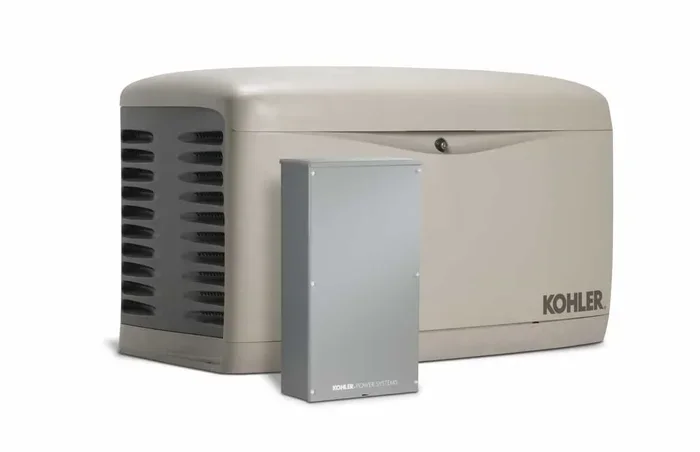
A Kohler backup generator is an automatic standby generator. It sits outside your home and connects to your electrical system. When the power goes out, it detects the outage and starts up on its own. You do not need to flip any switches or wait for a technician.
Kohler makes several models. Some are small enough to power just your essentials. Others are large enough to run your entire house. The key difference between a Kohler unit and a portable generator is automation. A standby generator works like a safety net. It is always ready, even when you are asleep or away from home.
How Does It Work?
The process is simple. Your Kohler generator is connected to your home’s electrical panel and to a fuel source. This is usually natural gas or propane. When it senses a power drop, the engine starts within seconds. A transfer switch sends power to your home’s circuits. When utility power returns, the generator shuts off and waits for the next outage.
Most Kohler models include a digital controller. This lets you monitor your generator from your phone. You can check fuel levels, run status, and maintenance alerts. It is like having a dashboard for your home’s power system.
Why Choose a Kohler Backup Generator?
There are many brands of standby generators on the market. So why does Kohler stand out? Let us look at the main reasons homeowners choose Kohler backup generators again and again.
1. Proven Engine Technology
Kohler has been building engines since 1920. That is over 100 years of experience. Their engines are used in everything from boats to industrial equipment. When you put a Kohler engine in a backup generator, you get power and durability. The engines are designed to handle heavy loads and long run times.
Kohler uses air-cooled and liquid-cooled engines depending on the model. Smaller units use air cooling, which requires less maintenance. Larger units use liquid cooling, which handles extended runs better. Either way, you get a motor built to last.
2. Automatic Operation
One of the best features of a Kohler unit is its auto-start capability. You do not need to be home to start it. The generator detects a power loss and activates within seconds. This is critical if you are at work or on vacation.
The transfer switch is also fully automatic. It disconnects your home from the grid during an outage. Then it reconnects you when power is restored. This all happens without you lifting a finger. It is seamless and safe.
3. Fuel Efficiency and Options
Kohler generators run on natural gas or propane. Both are clean-burning fuels that are widely available. Propane has a long shelf life, so you can store it for emergencies. Natural gas connects directly to your utility line, so you never run out.
Fuel efficiency is another strong point. A Kohler unit uses less fuel per hour than many competing models. This saves you money over time. If you want to know more about fuel consumption, you can check how much propane a 20kw generator uses per hour for a general idea of generator fuel costs.
4. Smart Monitoring and Control
Kohler’s mobile app lets you monitor your generator from anywhere. You can see real-time status updates, fuel levels, and maintenance reminders. This is incredibly helpful for busy homeowners who want peace of mind.
The app also sends alerts if something goes wrong. Low fuel pressure, high engine temperature, or a fault code. You will know about it before it becomes a big problem. This level of monitoring is not common in all generator brands.
How to Size a Kohler Backup Generator for Your Home
Sizing is one of the most important steps. A generator that is too small will not power your home. One that is too big wastes money and fuel. Here is how to find the right size for your needs.
Calculate Your Power Needs
Start by listing the essential items you want to run during an outage. Common essentials include:
- Refrigerator and freezer
- Heating or cooling system
- Water heater
- Lights
- Security system
- Phone chargers and internet router
Add up the wattage of each item. You can find the wattage on the nameplate of each appliance. Then add a buffer of 20% for startup surges. This gives you your total power requirement.
Match the Size to Your Needs
Kohler offers generators ranging from about 10 kilowatts to 150 kilowatts or more. A 20-kilowatt unit can handle most essential loads in an average home. A 30-kilowatt or larger unit can power nearly everything. If you are unsure what size you need, consider what you want to run during an outage.
For a detailed guide on matching generator size to your appliances, you can explore what size generator to run furnace and refrigerator to get a clearer picture of your specific needs.
Consider Your Fuel Source
Your fuel choice affects sizing too. Natural gas units are typically smaller and more convenient. Propane units offer more independence but require tank storage. Choose the fuel that is most accessible and affordable in your area.
Installation and Setup
Proper installation is key to getting the most from your Kohler generator. While some homeowners attempt DIY setups, professional installation is strongly recommended. A licensed electrician or generator installer will ensure everything is connected safely and correctly.
What Does Installation Involve?
The process typically includes these steps:
- Placing the generator on a concrete pad outside your home
- Connecting the fuel line from your gas source
- Wiring the transfer switch to your electrical panel
- Testing the system for proper operation
- Setting up mobile monitoring and alerts
A professional installer will also ensure your generator meets local building codes and safety regulations. This is important for both performance and insurance purposes.
Running the Generator to Your House
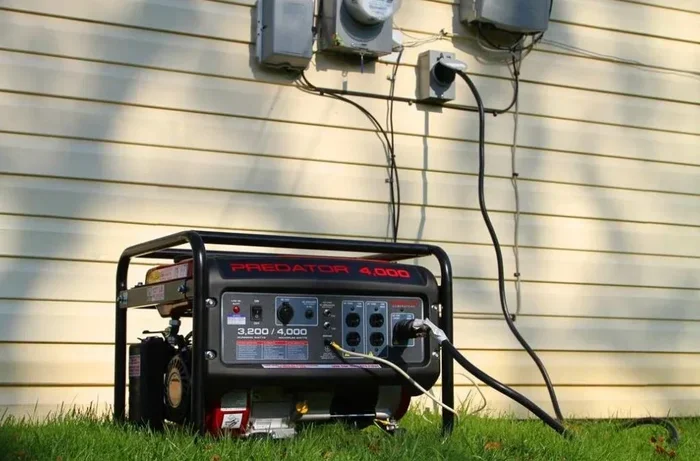
Getting power from the generator into your home requires a transfer switch. This device prevents backfeeding, which can be dangerous to utility workers. The transfer switch connects your generator to your home’s electrical panel safely.
If you are curious about the full process of connecting a generator to your home, you can read how to run generator to house for a deeper understanding of the setup and safety steps involved.
Maintenance Tips for Long-Lasting Performance
A Kohler backup generator is built to last, but regular maintenance keeps it running at its best. Think of it like maintaining a car. A little care goes a long way toward extending its life.
Routine Maintenance Tasks
Here are the maintenance tasks you should perform regularly:
- Oil Changes: Change the oil every 100 to 200 hours of runtime or at least once a year.
- Air Filter Checks: Inspect and clean or replace the air filter every six months.
- Spark Plug Inspection: Check the spark plug annually and replace if worn.
- Fuel System: Drain old fuel or use a fuel stabilizer if the generator sits unused for long periods.
- Battery Test: Test the battery and charging system yearly to ensure reliable starts.
Kohler recommends a professional inspection every 12 months. A technician will check the coolant, belts, and electrical connections. This proactive approach catches small issues before they become expensive repairs.
How Long Does a Kohler Generator Last?
With proper maintenance, a Kohler backup generator can last 20 to 30 years or more. The engine is built with heavy-duty components that withstand regular use. Of course, runtime hours matter. A generator that runs frequently during frequent outages will wear faster than one used only occasionally.
If you are wondering about the expected lifespan of a generator, you can check how long a whole house generator lasts for more details on longevity and what affects it.
Fuel Storage Tips
How long can you leave gas in a generator? For propane, the answer is essentially indefinite since it does not degrade. For gasoline, you should use it within 30 days or add a fuel stabilizer. Always store fuel in approved containers in a cool, well-ventilated area. Proper fuel management prevents starting problems and engine damage.
Kohler vs. Other Generator Brands
Kohler competes with brands like Generac, Briggs & Stratton, and Cummins. Here is a quick comparison to help you understand where Kohler stands.
| Feature | Kohler | Generac | Briggs & Stratton |
|---|---|---|---|
| Engine Origin | U.S. built | U.S. and global | U.S. and global |
| Warranty | 5-year limited | 5-year limited | 3-year limited |
| Auto-Start | Yes | Yes | Yes |
| Mobile Monitoring | Yes | Yes | Limited |
| Fuel Options | Propane, Natural Gas | Propane, Natural Gas, Diesel | Propane, Natural Gas |
| Noise Level | Low to moderate | Low to moderate | Moderate |
Kohler holds its own against the competition. Its engines are known for durability and quiet operation. The mobile monitoring app is among the best in the industry. And the warranty gives homeowners strong confidence in their investment.
Generac is a strong competitor and offers diesel options. Briggs & Stratton is a solid budget choice but has a shorter warranty. For most homeowners looking for a balance of quality, features, and longevity, Kohler is a top pick.
Common Mistakes to Avoid
Even the best generator can cause problems if you make mistakes during setup or use. Here are common errors homeowners make and how to avoid them.
- Wrong Sizing: Undersizing your generator leads to overloads. Always calculate your power needs carefully before purchasing.
- Skipping Maintenance: Neglecting oil changes and filter replacements shortens your generator’s life.
- Poor Placement: Place the generator at least 5 feet from windows and doors to prevent carbon monoxide buildup.
- Ignoring Fuel Quality: Old or contaminated fuel causes starting issues. Use fresh fuel and stabilizers when needed.
- No Transfer Switch: Never connect a generator directly to your panel without a transfer switch. It is dangerous and illegal in most areas.
Is a Kohler Backup Generator Worth the Investment?
The short answer is yes. A Kohler backup generator protects your home, your food, your comfort, and your family during power outages. The initial cost is higher than a portable generator, but the convenience, automation, and durability make it worth every penny.
Think of it as insurance for your lifestyle. When the power goes out, you do not have to worry. Your Kohler generator handles it. That peace of mind is invaluable, especially in areas prone to storms or grid instability.
If you are ready to invest in reliable backup power, a Kohler unit is one of the smartest decisions you can make for your home.
Final Thoughts
A Kohler backup generator is more than a machine. It is a safeguard for your home and family. From its powerful engines to its smart monitoring features, Kohler has designed a product that delivers when it matters most.
Proper sizing, professional installation, and regular maintenance will keep your generator running for decades. Whether you face occasional outages or frequent storms, Kohler has a model that fits your needs. Do not wait for the next power outage to find out if your home is prepared.
Invest in a Kohler backup generator today. Your future self will thank you when the lights stay on no matter what happens outside.
Frequently Asked Questions
How long does a Kohler backup generator last?
With proper maintenance, a Kohler backup generator can last 20 to 30 years or more. Regular oil changes, filter replacements, and annual professional inspections help maximize its lifespan. Runtime hours also play a role, so generators used frequently may need attention sooner.
What fuel types do Kohler backup generators use?
Kohler backup generators run on either natural gas or propane. Natural gas connects directly to your utility line, while propane requires a storage tank. Both fuels are clean-burning and widely available for home backup power systems.
Can a Kohler generator power my entire house?
Yes, if you choose the right size. Kohler offers models ranging from 10 kilowatts to over 150 kilowatts. A 30-kilowatt or larger unit can typically power most or all of a home’s electrical loads, including HVAC, appliances, and lighting.
How much does a Kohler backup generator cost?
The cost varies by model and size. Residential Kohler generators typically range from $3,000 to $15,000 or more, including installation. The final price depends on your home’s power needs, fuel source, and local installation requirements.
Is professional installation required for a Kohler generator?
While it is technically possible to install a Kohler generator yourself, professional installation is strongly recommended. A licensed technician ensures proper wiring, fuel connections, and code compliance. This also protects your warranty and keeps your home safe.
How often should I maintain my Kohler generator?
Kohler recommends an annual professional inspection and basic upkeep every few months. Oil should be changed every 100 to 200 hours of runtime. Air filters, spark plugs, and batteries should be checked regularly to ensure reliable operation.
=== INTERNAL LINKS ===