Floating Neutral Generator Tips Every Homeowner Needs
A floating neutral generator keeps the neutral conductor separate from the ground, reducing shock risks and electrical faults. Every homeowner using a backup generator should understand how this design works and why it matters for safety. This guide covers everything from basic wiring to common mistakes you must avoid.
Key Takeaways
- Floating neutral separates the neutral from ground, which helps prevent unintended electrical paths and reduces shock hazards.
- Always use a transfer switch when connecting a floating neutral generator to your home panel to ensure safe power delivery.
- Testing with a multi-meter is simple and lets you verify whether your generator has a floating or bonded neutral.
- Common mistakes include skipping the grounding rod and confusing floating neutral with bonded neutral setups.
- Fuel efficiency matters — understanding consumption helps you plan longer backup runs without interruptions.
- Match your generator size to your load so your system runs safely and efficiently during outages.
- Read your generator manual carefully, as different brands handle neutral grounding in unique ways.
📑 Table of Contents
What Is a Floating Neutral Generator?
If you own a portable or standby generator, you have probably heard the term floating neutral. But what does it actually mean? Simply put, a floating neutral generator has its neutral conductor not connected to the ground or the frame of the machine. This design creates a separate electrical path that keeps things safer in certain setups.
Most generators fall into two categories. They either have a bonded neutral, where the neutral is tied to the frame and ground. Or they have a floating neutral, where that connection does not exist. Understanding this difference is one of the most important steps every homeowner can take to protect their family and their electrical system.
How It Differs from a Bonded Neutral
In a bonded neutral setup, the neutral wire connects directly to the generator frame. This means the frame and the neutral share the same electrical reference point. In a floating neutral design, that bond is missing. The neutral floats independently, which changes how current flows during normal operation and during a fault condition.
This distinction matters a lot when you connect a generator to your home. If you wire a floating neutral generator incorrectly, you can create dangerous electrical paths. The electrical code in most areas requires specific grounding methods depending on your generator type. Always check your local rules before making any connections.
Why Manufacturers Use This Design
Many portable generator manufacturers choose a floating neutral design for a few key reasons. First, it reduces the chance of ground faults during normal use. Second, it gives homeowners more flexibility in how they set up their electrical connection. Third, it aligns with certain safety standards that aim to prevent unintended current paths through the human body.
When you understand the generator grounding principles behind this design, you can make smarter decisions about how to use and install your unit. The floating neutral approach is not a flaw. It is a deliberate engineering choice that works well when paired with the right setup.
Why Floating Neutral Matters for Home Safety
Safety is the number one reason to care about how your generator handles the neutral conductor. A floating neutral generator can be safer than a bonded neutral unit in specific scenarios. But only if you set it up correctly. Let us look at why this matters for your home.
Understanding Electrical Shock Risks
When a generator has a bonded neutral, the frame and neutral are at the same electrical potential. This means if a hot wire touches the frame, current flows through the ground path and trips the breaker. In a floating neutral setup, the frame is not tied to the neutral. So a fault condition behaves differently.
Here is the key point. A floating neutral generator will not shock you just by touching the frame during normal operation. The frame and neutral are at different potentials, and there is no complete path through your body. However, if a hot wire shorts to the frame, the frame becomes energized. Without a proper ground connection, that energy has nowhere to go. This is why grounding your generator is non-negotiable.
Always connect a grounding rod to your generator frame when using a floating neutral unit. This creates a safe path for fault current and protects everyone nearby. Think of the grounding rod as your safety net. It works silently in the background to keep you protected.
The Role of Grounding in Your Setup
Grounding is not optional. It is a fundamental part of any generator installation. When you use a floating neutral generator, the grounding rod becomes even more important. It provides the reference point that the electrical system needs to function safely.
Here is what proper grounding does for you:
- Reduces the risk of electrical shock by giving fault current a safe path to earth.
- Stabilizes voltage levels during generator operation.
- Protects your appliances from voltage spikes and surges.
- Meets electrical code requirements for portable and standby generators.
Take a few extra minutes to verify your ground connection before every use. A loose or missing ground rod can turn a safe setup into a dangerous one. This is one of those small habits that makes a huge difference.
How to Identify a Floating Neutral Generator
Not sure whether your generator has a floating neutral? You are not alone. Many homeowners do not know how to check. The good news is that testing is straightforward and requires only basic tools.
Using a Multi-Meter to Test
Grab a multi-meter and follow these simple steps. First, turn off the generator and let it cool down. Set your meter to measure voltage. Next, place one probe on the neutral terminal and the other on the generator frame or ground terminal.
If you read zero volts or close to zero, your generator has a bonded neutral. If you read a voltage reading that matches the output voltage (such as 120V or 240V), you have a floating neutral generator. The neutral is not connected to the frame, so there is no shared reference point.
This test takes less than two minutes. It is one of the best generator maintenance habits you can build. Make it part of your pre-use checklist every single time.
Checking the Generator Panel
Another way to identify your neutral type is to look at the generator panel and the owner manual. Most manufacturers clearly state whether the unit has a bonded or floating neutral. Look for labels near the output breakers or on the technical specification sheet.
If the manual says the neutral is not bonded to the frame or ground, you are dealing with a floating neutral design. Some generators also include a grounding bolt or terminal on the frame specifically for this purpose. Check for that bolt as a visual clue.
When in doubt, contact the manufacturer directly. They can confirm the neutral configuration for your specific model. This is always better than guessing, especially when safety is on the line.
Common Mistakes Homeowners Make
Even experienced homeowners make mistakes when working with a floating neutral generator. These errors can lead to safety hazards, equipment damage, or code violations. Let us look at the most common ones and how to avoid them.
Skipping the Grounding Rod
This is the single most dangerous mistake you can make. Some homeowners skip the grounding rod because it feels like an extra step. Or they assume the generator frame is already grounded. It is not. Without a proper ground rod, a fault condition can energize the frame and create a serious shock hazard.
Always drive a copper grounding rod into the earth and connect it to the generator frame. Use a thick, weather-resistant cable rated for the generator amperage. This one step can save lives. Do not skip it, ever.
Misunderstanding the Transfer Switch
A transfer switch is essential when connecting a generator to your home electrical panel. It prevents backfeed, which can kill utility workers and damage your generator. But many homeowners install the wrong type of switch for their neutral configuration.
If you have a floating neutral generator, you need a transfer switch that handles the neutral correctly. Some switches bond the neutral to ground on the generator side. Others keep the neutral floating. Check the switch specifications carefully and match them to your generator type. When you are unsure, consult a licensed electrician.
Connecting a floating neutral generator without the right transfer switch can create overlapping ground and neutral paths. This leads to voltage imbalances and potential equipment damage. It is a mistake that is easy to make but expensive to fix.
Ignoring the Generator Manual
Every generator manual contains specific instructions for neutral handling. Many homeowners toss the manual aside after the first read. This is a big mistake. The manual tells you exactly how to set up your unit safely, including any neutral bonding requirements.
Take thirty minutes to read through the manual before your first use. Highlight the sections on grounding, neutral configuration, and recommended connections. This small investment of time pays off in safety and performance.
Connecting Your Floating Neutral Generator to the House
Now that you understand the basics, let us talk about the practical side. How do you actually connect a floating neutral generator to your home? The process requires care and attention to detail. But with the right approach, it is very doable for most homeowners.
Step-by-Step Wiring Guide
Follow these steps to connect your generator safely:
- Turn off all main breakers in your home electrical panel before making any connections.
- Install a transfer switch rated for your generator wattage between the generator and the main panel.
- Connect the grounding rod to the generator frame using a proper ground cable.
- Run the generator cable from the unit to the transfer switch inlet box.
- Verify the neutral is not bonded at the transfer switch if your generator is floating neutral.
- Turn on the generator and let it stabilize before switching loads through the transfer switch.
- Test each circuit one at a time to ensure proper voltage and ground fault protection.
This process ensures that your generator wiring is safe and code compliant. Do not rush any step. Electrical work demands patience and precision.
Fuel and Runtime Considerations
Running a generator for extended periods requires planning. Fuel consumption varies based on the load and the unit size. For example, how much propane a 20kw generator uses per hour depends on the percentage of your connected load. A unit running at full capacity will consume fuel much faster than one under light load.
Here are a few practical tips:
- Monitor your fuel gauge regularly during extended outages.
- Keep a spare fuel supply stored safely and away from the generator.
- Let the generator cool down before refueling to prevent fire risks.
- Consider fuel type — propane, natural gas, and gasoline each have different burn rates and storage requirements.
Understanding your fuel consumption helps you plan for longer outages without surprises. You do not want to run out of fuel in the middle of a storm or cold night.
Matching Generator Size to Your Load
Choosing the right generator size is critical. A unit that is too small will overload and shut down. A unit that is too large wastes fuel and money. A helpful reference is to check what size generator to run furnace and refrigerator for your specific home setup. Most households need between 5,000 and 20,000 watts depending on which appliances they want to keep running during an outage.
Make a list of the essential circuits you want to power. Add up their wattage requirements. Then choose a generator that exceeds that total by at least 20 percent. This buffer protects the unit from overload and extends its lifespan.
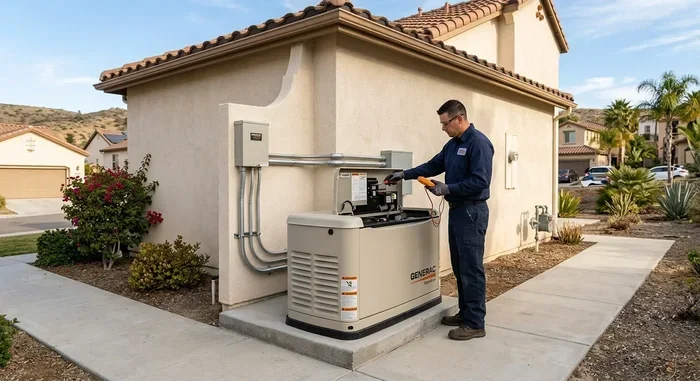
When you understand what a Generac home generator can power, you can plan your load distribution more effectively. Not every circuit needs to run at once. Prioritize essentials like the furnace, refrigerator, lights, and a few outlets for charging devices.
Expert Tips for Safe Operation
After working with generators for years, a few best practices stand out. These tips help you get the most from your floating neutral generator while keeping your household safe.
Quick Tips for Every User
Here are some fast, actionable tips you can apply right away:
- Always test your ground connection before starting the generator.
- Keep the generator dry and elevated off the ground during use.
- Use heavy-duty extension cords rated for outdoor use and the full amperage of your load.
- Never backfeed your home panel without a proper transfer switch.
- Run the generator in a well-ventilated area away from doors, windows, and vents.
- Schedule regular maintenance including oil changes, filter replacements, and spark plug checks.
- Keep a fire extinguisher nearby when operating any generator.
Expert Insights on Neutral Handling
Electricians and generator technicians agree on one thing. The neutral configuration is one of the most overlooked aspects of generator safety. A floating neutral generator offers real advantages when handled correctly. But it demands respect for the electrical principles involved.
One expert tip is to always label your generator clearly. Mark it as floating neutral so that anyone who uses it in the future understands the configuration. This simple step prevents accidental miswiring by well-meaning but uninformed family members or guests.
Another pro insight is to invest in a quality transfer switch with built-in ground fault protection. This adds an extra layer of safety and gives you peace of mind during extended use. The cost is modest compared to the protection it provides.
Finally, stay current with your local electrical code. Codes change over time, and what was acceptable five years ago may not meet today standards. A quick call to your local building department can save you from costly rework or safety hazards.
Key Takeaways
A floating neutral generator is a safe and effective choice for home backup power when you understand how it works. The key is proper grounding, correct wiring through a transfer switch, and regular maintenance of your electrical connections. Never skip the grounding rod, always test your setup before use, and follow the manufacturer guidelines closely.
By taking the time to learn about your generator neutral configuration, you protect your home, your appliances, and your family. These are not complicated concepts. They are fundamental practices that every homeowner should know and apply.
Start with the multi-meter test to identify your neutral type. Then build your setup step by step. When you are ready to plan for fuel needs, check how much propane a 20kw generator uses per hour to estimate your runtime. And when sizing your unit, use reliable references like what size generator to run furnace and refrigerator guides to match your home requirements.
Safe generator operation starts with knowledge. Apply the tips in this guide and you will be well prepared for your next power outage. Your home and your family deserve that level of preparedness.
Frequently Asked Questions
What is the difference between a floating neutral and a bonded neutral generator?
A bonded neutral generator connects the neutral wire directly to the frame and ground. A floating neutral generator keeps the neutral separate from the frame, creating an independent electrical path. This difference affects how you ground and connect the generator to your home electrical system.
Can I connect a floating neutral generator directly to my home panel?
No. You must use a properly rated transfer switch that matches your neutral configuration. Direct connection without a transfer switch can cause backfeed, voltage imbalances, and serious safety hazards. Always follow the manufacturer instructions and local electrical code.
Is a floating neutral generator safer than a bonded neutral generator?
It can be safer in specific setups because the neutral is not tied to the frame. However, safety depends entirely on proper grounding and correct wiring. A floating neutral generator without a grounding rod is just as dangerous as any other improperly connected unit.
How do I know if my generator needs a grounding rod?
Most floating neutral generators require a grounding rod connected to the generator frame. Check your owner manual for the specific requirements. If the manual instructs you to ground the frame, a grounding rod is essential for safe operation.
What happens if I use a bonded neutral transfer switch with a floating neutral generator?
Using the wrong type of transfer switch can create overlapping ground and neutral paths. This leads to voltage imbalances, potential equipment damage, and code violations. Always verify that your transfer switch matches your generator neutral configuration before making any connections.
How long can I run a floating neutral generator continuously?
Runtime depends on your fuel supply, load size, and generator capacity. Check your fuel consumption rate and keep a reserve on hand. For extended outages, plan refueling breaks and let the unit cool down before adding more fuel. Always follow the manufacturer runtime guidelines to avoid overheating or fuel-related issues.