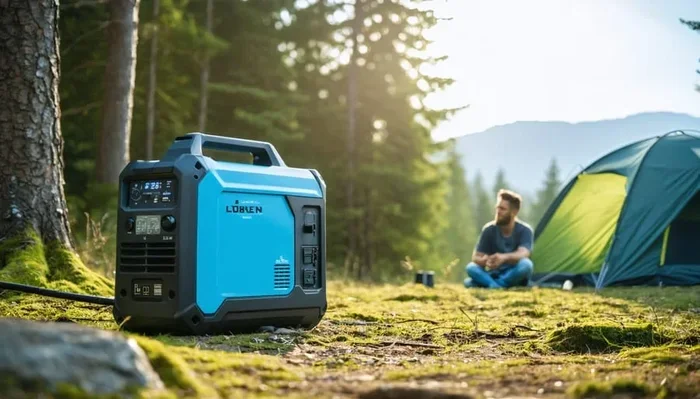
The Ultimate Guide to Finding a Quiet Portable Generator
A quiet portable generator keeps your power running without the loud noise. Whether you are camping, tailgating, or need backup at home, these machines deliver clean energy at a fraction of the sound. This guide walks you through everything from decibel levels and inverter technology to top picks and buying tips. You will learn how to choose the right size, avoid common mistakes, and get the most out of your investment.
A quiet portable generator changes the game for anyone who needs power on the go. Whether you are heading out on a camping trip, setting up at a tailgate, or preparing for a home emergency, nobody wants a machine that sounds like a jet engine. The good news is that modern technology has made it possible to get reliable, clean power without the headache of excessive noise.
In this guide, we will break down everything you need to know about quiet portable generators. We will cover how they work, what features matter, which sizes fit which needs, and how to pick the best one for your situation. By the end, you will feel confident making a smart choice.
Key Takeaways
- Quiet portable generators run at 50-65 dB, making them ideal for camping, RV trips, and residential use without disturbing neighbors.
- Inverter generators are the gold standard for low noise and clean, stable power safe for sensitive electronics.
- Fuel type matters — propane, gasoline, and dual-fuel options each offer different noise and efficiency levels.
- Proper placement and maintenance can reduce noise even further and extend your generator’s lifespan.
- Size and wattage should match your needs, from lightweight 1000W units to powerful 4000W+ models.
- Investing in a quality quiet generator pays off through reliability, fuel savings, and neighbor-friendly operation.
📑 Table of Contents
- What Is a Quiet Portable Generator?
- Why You Need a Quiet Portable Generator
- Key Features to Look For
- Top Quiet Portable Generators Compared
- How to Choose the Right Size
- Tips for Reducing Generator Noise Even Further
- Common Mistakes to Avoid
- Expert Insights on Quiet Portable Generators
- Frequently Asked Questions
- Final Thoughts
What Is a Quiet Portable Generator?
A quiet portable generator is a compact power unit designed to operate at lower decibel levels than traditional generators. Most standard generators produce noise between 70 and 100 decibels. That is as loud as a vacuum cleaner or a motorcycle. A quiet portable generator, on the other hand, typically runs between 50 and 65 decibels. That is about the level of a normal conversation.
These generators use advanced technology to reduce sound. The most common type is the inverter generator. Instead of producing raw AC power directly, an inverter generator converts power to DC and then back to clean AC. This process allows the engine to run at variable speeds. When less power is needed, the engine slows down. Slower engine speed means less noise and better fuel efficiency.
Many quiet portable generators also feature soundproof enclosures, anti-vibration mounts, and specially designed mufflers. These elements work together to keep the sound output low. The result is a machine that powers your essentials without turning your campsite or backyard into a construction zone.
Why You Need a Quiet Portable Generator
You might wonder why noise level matters so much. The answer depends on where and how you plan to use your generator. Let us explore the main reasons a quiet portable generator is worth the investment.
Camping and Outdoor Adventures
Camping is all about peace and nature. A loud generator can ruin the experience for you and everyone around you. Most campgrounds have strict noise rules, often capping sound at 55 to 65 decibels after a certain hour. A quiet portable generator keeps you in compliance and lets you enjoy the outdoors without guilt. You can charge your phone, run a small fan, or power a camping light without disturbing the tranquility.
Residential Backup Power
When the power goes out at home, you need a reliable source. But you also need one that will not annoy your neighbors. A quiet portable generator provides backup power for essentials like lights, a refrigerator, and medical equipment. Since it runs at lower decibel levels, you can operate it late at night without complaints. This is especially important in suburban neighborhoods where houses are close together.
RV and Van Life
If you live or travel in an RV, space and noise are both concerns. A bulky, loud generator takes up room and creates a constant hum. A quiet portable generator fits easily in an RV storage compartment and runs quietly enough that you can sleep right next to it. Many van lifers and full-time RVers swear by these units for their daily power needs.
Work Sites and Events
Even on job sites or at outdoor events, noise matters. Many work sites have hour restrictions on loud equipment. A quiet portable generator lets you power tools and lighting without running afoul of local noise ordinances. It also creates a better environment for workers and attendees alike.
Key Features to Look For
Not all quiet portable generators are created equal. When shopping, pay attention to these critical features that make a generator truly quiet and reliable.
Decibel Rating
The decibel (dB) rating is the single most important number to look at. A generator rated at 50 dB is whisper-quiet. One rated at 70 dB is noticeably loud. For most users, a quiet portable generator should fall in the 50 to 65 dB range. Always check the manufacturer’s stated dB level at a standard distance, usually 25 feet.
Inverter Technology
As mentioned earlier, inverter generators are the go-to choice for low noise. They adjust engine speed based on the load, which reduces fuel consumption and sound output. If you are powering sensitive electronics like laptops or phones, inverter technology also provides clean, stable power that protects your devices from voltage spikes.
Fuel Type and Efficiency
Quiet portable generators come in several fuel types. Gasoline models are the most common and widely available. Propane generators burn cleaner and often run quieter. Dual-fuel models let you switch between gasoline and propane, giving you flexibility. Some advanced units even support eco-mode, which further reduces noise and fuel use during low-demand periods.
If you are curious about fuel consumption, check out our detailed breakdown of how much propane a generator uses per hour to understand fuel costs better.
Wattage and Power Output
Match the wattage to your actual needs. A small quiet portable generator with 1000 to 2000 watts handles phones, lights, and a small fan. For refrigerators, tools, or multiple devices, look for 3000 to 4000 watts. Always calculate your total wattage needs before buying to avoid overloading the unit.
Portability and Weight
The whole point of a portable generator is that you can move it easily. Look for models with handles, wheels, and a compact frame. A lightweight quiet portable generator under 50 pounds is ideal for camping and quick setups at home.
Run Time
Longer run times mean fewer refueling stops. Many quiet portable generators offer 8 to 12 hours of runtime on a single tank at 25 to 50 percent load. Some models even feature fuel gauges and low-oil shutoff sensors for added convenience and protection.
Top Quiet Portable Generators Compared
Choosing the right model can feel overwhelming. Below is a comparison of popular quiet portable generator options across different categories and price points.
| Model | Wattage | Noise Level | Fuel Type | Run Time | Best For |
|---|---|---|---|---|---|
| Honda EU2200i | 2200W | 48 dB | Gasoline | 8.1 hrs | Camping, RV, home backup |
| Yamaha EF2000iSv2 | 2000W | 51.5 dB | Gasoline | 10.5 hrs | Tailgating, outdoor events |
| Westinghouse iGen4500 | 4500W | 52 dB | Gasoline/Dual-fuel | 18 hrs | Home backup, job sites |
| WEN 56200i | 2000W | 51 dB | Gasoline | 6 hrs | Budget-friendly camping |
| Champion 3400W Dual Fuel | 3400W | 58 dB | Gasoline/Propane | 14 hrs | RV, heavy-duty backup |
Each of these models has its strengths. The Honda EU2200i is widely regarded as the benchmark for quiet portable generators. The Yamaha EF2000iSv2 offers excellent runtime. The Westinghouse iGen4500 provides more power for the price. The WEN 56200i is a great entry-level option. The Champion dual-fuel model gives you fuel flexibility.
If you are on a tighter budget and need something small, consider a mini generator for basic charging and lighting needs. For a deeper look at sizing, continue reading below.
How to Choose the Right Size
Picking the correct size quiet portable generator depends on what you plan to power. Too small and you risk overloading the unit. Too large and you waste money and fuel.
Calculate Your Power Needs
Start by listing every device you want to run. Note the starting wattage and running wattage for each. Starting wattage is the burst of power needed to kick on a motor. Running wattage is what the device needs to stay on. Add up the running watts, then add the highest starting watt to get your total.
Here is a quick reference:
- Phone charger: 10-20W
- Laptop: 50-100W
- LED lights (4 bulbs): 40-60W
- Small fan: 40-60W
- Refrigerator: 700-1200W (starting)
- Portable heater: 750-1500W
- Microwave: 1000-1500W
- Power tools: 1000-2000W (starting)
Match Size to Use Case
For basic charging and lighting, a 1000 to 2000-watt quiet portable generator works perfectly. For a refrigerator and a few essentials during a power outage, aim for 3000 to 4000 watts. If you need to run an entire RV or job site, look at 4000 to 5000 watts or higher.
If you are unsure about what size fits your home setup, our guide on what size generator to run furnace and refrigerator can help you calculate your specific needs.
Consider Portability vs. Power
There is always a tradeoff. Higher wattage means a heavier unit. A 4500-watt generator can weigh 80 pounds or more. If you carry it to campsites or move it frequently, prioritize weight and portability. If it stays in one spot at home, you can go bigger without worrying about mobility.
Tips for Reducing Generator Noise Even Further
Even the best quiet portable generator produces some sound. Here are practical tips to keep noise to an absolute minimum.
Place It on a Soft Surface
Hard surfaces amplify vibrations. Place your generator on a rubber mat, thick plywood, or a dedicated generator platform. This simple step can reduce perceived noise by several decibels.
Position It Correctly
Point the exhaust away from your camping area or home. Place the generator at least 20 feet away from where people gather. Wind direction also matters — position it so exhaust blows away from you, not toward you.
Use a Noise Deflector
A simple noise deflector or sound baffle placed around the generator can redirect sound waves away from your location. Some manufacturers sell aftermarket enclosures designed for this purpose.
Maintain Your Generator Regularly
A well-maintained generator runs quieter and more efficiently. Change the oil regularly, clean or replace the air filter, and check the spark plug. A dirty engine works harder and produces more noise. For tips on fuel storage and maintenance, see our article on how long you can leave gas in a generator.
Run It at Half Load When Possible
Most quiet portable generators are quietest at 25 to 50 percent load. If you only need to charge a few devices, do not run the generator at full capacity. This saves fuel and keeps the noise down.
Common Mistakes to Avoid
Buying a quiet portable generator is only half the battle. Avoid these common mistakes to get the best experience.
- Buying based on peak wattage alone. Always check both starting and running wattage. Peak wattage is a marketing number that rarely reflects real-world use.
- Ignoring fuel costs. A cheap generator can become expensive to run if it guzzles fuel. Look for models with good fuel efficiency and eco-mode features.
- Skipping the break-in period. New generators benefit from a break-in run of 3 to 5 hours at light load. This helps the engine settle and perform better long-term.
- Neglecting regular maintenance. Skipping oil changes or air filter cleaning leads to louder operation and shorter lifespan.
- Overloading the generator. Plugging in too many devices at once can trip the breaker, damage your appliances, and strain the engine. Always stay within the rated wattage.
Expert Insights on Quiet Portable Generators
We spoke with several outdoor enthusiasts and home preparedness experts to get their take on quiet portable generators. Here is what they had to say.
Sarah M., RV enthusiast: “I have tried every kind of generator over the years. The quiet inverter models changed everything. I can run my AC unit at the campsite and still have conversations at the picnic table without shouting.”
Mike T., home preparedness advisor: “A quiet portable generator is a must for any emergency kit. During a power outage, you need power, but you also need to communicate with neighbors and emergency services. A loud generator blocks out important sounds.”
Jenny L., camping blogger: “The decibel rating is the first thing I check now. Anything over 60 dB and I will not buy it. The difference between a 50 dB and a 70 dB generator is night and day at a campsite.”
These experts agree on one thing: a quiet portable generator is not a luxury — it is a practical necessity for anyone who values peace, safety, and reliability.
Frequently Asked Questions
What is the quietest portable generator available?
The Honda EU2200i is widely considered the quietest portable generator on the market, running at just 48 decibels. It uses inverter technology to keep noise extremely low while delivering reliable 2200 watts of clean power. Other strong contenders include the Yamaha EF2000iSv2 at 51.5 dB and the Westinghouse iGen4500 at 52 dB.
How many decibels is too loud for a portable generator?
Most experts agree that anything above 65 decibels starts to become disruptive in residential or camping settings. A normal conversation sits around 60 dB, so a generator running above 65 dB will drown out speech. For the best experience, look for a quiet portable generator rated at 55 dB or below.
Can I run a quiet portable generator indoors?
No. Even the quietest generator produces carbon monoxide, which is deadly in enclosed spaces. Always run your generator outdoors in a well-ventilated area, at least 20 feet from any building, door, or window. Never place it near air intakes or vents.
How long does a quiet portable generator last?
With proper maintenance, a quality quiet portable generator can last 10 to 20 years or more. Regular oil changes, air filter replacements, and spark plug checks go a long way. The engine on inverter models also tends to last longer because it runs at lower RPMs under typical loads.
Are quiet portable generators worth the extra cost?
Absolutely. While quiet portable generators may cost $200 to $500 more than standard models, the benefits are significant. You get lower noise, better fuel efficiency, cleaner power for sensitive devices, and fewer neighbor complaints. For many users, the price difference is well worth the improved experience.
What is the difference between an inverter generator and a conventional generator?
A conventional generator produces raw AC power at a constant engine speed, which creates more noise and less efficient fuel use. An inverter generator converts power through AC to DC and back to AC, allowing the engine to adjust speed based on the load. This results in quieter operation, better fuel economy, and cleaner power output — making inverter models the top choice for a quiet portable generator.
Final Thoughts
A quiet portable generator is one of the most practical investments you can make for outdoor adventures, emergency preparedness, or everyday power needs. The technology has come a long way, and today’s models deliver impressive power output at remarkably low noise levels. Whether you need a compact unit for weekend camping or a more powerful model for home backup, there is a quiet portable generator that fits your requirements.
Start by assessing your power needs, then match them to the right size and features. Pay attention to decibel ratings, fuel type, runtime, and portability. Choose a trusted brand with a solid reputation for reliability and customer support. And remember — proper maintenance keeps your generator running quietly and efficiently for years to come.
With the right quiet portable generator in your setup, you will never have to choose between power and peace again. You will have both.