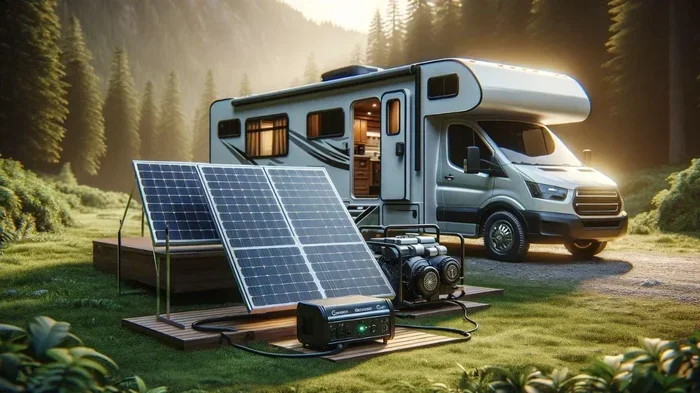
The Best Solar Generator for RV Road Trips and Camping
A solar generator for RV travel is the smartest way to stay powered on the road without fuel noise or fumes. Whether you boondock in remote campgrounds or tailgate at scenic spots, a portable solar setup keeps your lights, fridge, and devices running all day long. This guide covers how to choose the right size, the top models worth buying, and practical tips to get the most from your solar panels and battery bank.
There is something magical about hitting the open road in your RV with the windows down and the sun shining. But here is the thing most people do not think about until they are already parked in a remote spot with a dead battery: you need reliable power. A solar generator for RV setups changes everything. It means no more rushing to a gas station for fuel, no loud generators waking up the whole campground, and no worrying about running out of electricity at the wrong time.
More and more RV owners are making the switch to clean energy for camping. The reasons are simple. Solar generators are quiet, they save money on fuel, and they let you stay off-grid longer. If you are new to rv solar power systems or thinking about upgrading your current setup, this guide has everything you need. We will walk through how they work, what size you need, the best models on the market, and how to get the most out of your investment.
Key Takeaways
- Solar generators are quiet, clean, and save money on fuel costs over time.
- Match your generator’s wattage to your RV’s actual power needs to avoid under- or over-sizing.
- Lithium battery models last longer and charge faster than traditional lead-acid options.
- Pairing solar panels with a quality inverter maximizes charging speed and efficiency.
- Top brands like Jackery, EcoFlow, and Bluetti lead the market for portable RV power.
- Regular maintenance and proper storage extend your solar generator’s lifespan significantly.
📑 Table of Contents
- Why Every RVer Needs a Solar Generator
- How to Choose the Right Solar Generator for Your RV
- Top Solar Generators for RV Adventures
- Solar Generator vs. Traditional Fuel Generators for RVs
- Tips for Maximizing Your Solar Generator’s Performance
- Common Mistakes RVers Make with Solar Generators
- Final Thoughts on Choosing a Solar Generator for Your RV
Why Every RVer Needs a Solar Generator
Traditional fuel generators have been the go-to power source for RVers for decades. They work, but they come with real downsides. They are loud, they smell, and you have to keep buying fuel. A portable solar generator solves all of those problems. It uses the sun, which is free and always available during the day.
Silent and Eco-Friendly Power
Imagine sitting by a lake at sunset. You want to play some music, charge your phone, and run the lights. With a fuel generator, everyone within fifty feet knows you are running it. A silent generator for rv setups powered by solar makes zero noise. Your neighbors will thank you, and you will actually enjoy the peace of nature instead of a loud engine buzzing in the background.
Save Money on Fuel Costs
Fuel prices keep going up, and running a conventional generator burns through gas fast. Over a full camping season, those costs add up quickly. A solar generator for rv setup pays for itself within a few trips. Once you have the equipment, the energy is free. You never need to buy another gallon of fuel just to keep your rv battery bank charged.
Stay Off-Grid Longer
One of the best parts of RV life is getting away from it all. Boondocking in national forests or camping on BLM land is incredibly rewarding. But without a reliable power source, you are limited in how long you can stay. Solar charging for rv systems let you extend your off-grid time from a day or two to a week or more, depending on your setup and the sun available.
How to Choose the Right Solar Generator for Your RV
Not all solar generators are the same, and picking the right one depends on what you actually need. The wrong size means you either run out of power too fast or waste money on equipment you do not really need. Here is how to figure out what works best for your rv electricity needs.
Understand Your Power Usage
Start by listing everything you want to power. A typical RV setup might include lights, a refrigerator, a microwave, a phone charger, a laptop, and a small TV. Each of these uses a different amount of watts. Add them up to get your total daily watt-hour requirement. This number is your starting point for choosing the right solar generator capacity.
For a small camping trip with basic needs, a 500 to 1000 watt-hour unit works well. For a full-size RV with air conditioning and multiple devices, you may need 2000 watt-hours or more. Knowing your usage patterns helps you avoid buying something too small or overspending on a unit that is bigger than you need.
Battery Type Matters
The battery inside your solar generator makes a big difference. Lithium iron phosphate (LiFePO4) batteries are the gold standard right now. They last longer, charge faster, and handle deep discharges better than traditional lead-acid batteries. A quality lithium battery can last 3000 or more charge cycles, which means years of reliable use for your rv solar kit.
Cheaper models use lead-acid or lower-quality lithium cells. These work for short trips but degrade faster and need replacement sooner. When comparing options, always check the battery chemistry and warranty. A longer warranty usually signals a better-built product.
Match Your Solar Panel Output
The generator itself is only half the equation. You also need enough solar panels to charge it in a reasonable amount of time. A 200-watt solar panel can fully charge a mid-size generator in about four to six hours of direct sunlight. If you want faster charging, add more panels or choose a higher-wattage setup.
Keep in mind that charging speed depends on your location, the time of year, and weather conditions. Cloudy days will slow things down. Plan for average conditions rather than perfect ones, and you will be pleasantly surprised by how well your system performs.
Top Solar Generators for RV Adventures
The market has grown a lot in recent years, and there are some excellent options at different price points. Here are some of the best choices for RVers who want dependable rv power station performance.
Jackery Explorer Series
Jackery has built a strong reputation in the portable power world. Their Explorer series offers models ranging from 300 to 3000 watt-hours. The Jackery Explorer 1000 Pro is a popular choice for RVers because it balances capacity, weight, and price. It has multiple outlets, a clear LCD screen, and supports solar panel charging at up to 800 watts input.
One thing to note is that Jackery units tend to be on the pricier side. But the build quality and reliability make up for the upfront cost. They are a solid choice for someone who camps regularly and wants equipment that will last.
EcoFlow Delta Series
EcoFlow has gained a loyal following thanks to their fast-charging technology. The EcoFlow Delta 2 and Delta Pro models are particularly well-suited for RV use. They charge from empty to full in under two hours using wall power, which is incredibly convenient. Their solar input capacity is also very strong, supporting up to 1600 watts of panel input on larger models.
EcoFlow also offers expandable battery packs, so you can start small and add capacity later. This flexibility is great for RVer who are not sure about their long-term power needs. It lets you scale your system as your camping habits evolve.
Bluetti AC Series
Bluetti offers some of the best value in the solar generator market. Their AC200Max and AC500 models are favorites among serious boondockers. These units have massive battery capacities and can handle high-wattage appliances like microwaves and even small air conditioning units.
Bluetti also uses premium LiFePO4 batteries, which means longevity. You are getting a product built for years of regular use. The trade-off is that the larger models are heavy and not as portable as the smaller Jackery or EcoFlow options. They are best suited for RVs where the unit stays in place rather than getting carried around.
Solar Generator vs. Traditional Fuel Generators for RVs
It is worth comparing solar generators directly to traditional fuel generators so you can make an informed decision. Both have their place, but they serve different needs.
| Feature | Solar Generator | Fuel Generator |
|---|---|---|
| Noise Level | Silent | Loud (60-80 dB) |
| Fuel Cost | Free (sunlight) | Ongoing gas/diesel cost |
| Emissions | Zero | Carbon monoxide, fumes |
| Maintenance | Very low | Regular oil changes, filters |
| Runtime | Depends on sun | Limited by fuel tank |
| Portability | Very portable | Bulky and heavy |
| Upfront Cost | Higher | Lower |
As you can see from the comparison, solar generators win on almost every practical metric for casual and regular camping. The only real advantage of a fuel generator is that it works at night and in cloudy weather without any solar input. However, most modern solar generators have enough battery storage to cover overnight use easily.
If you are still using a fuel generator, you might want to look into how long you can leave gas in a traditional generator, since fuel degradation is a real concern during storage. For RVers exploring the switch, a mini generator powered by solar is a great starting point to test the waters before investing in a larger system.
Tips for Maximizing Your Solar Generator’s Performance
Getting the most from your solar generator is not just about buying the right unit. How you use and position your equipment matters a lot. Follow these tips to squeeze every bit of power from your rv solar power system.
Position Your Panels for Maximum Sun
Angle your solar panels directly toward the sun for the best charging results. In the northern hemisphere, south-facing panels get the most direct light. Adjust the angle throughout the day if possible, even a slight tilt can improve efficiency by 10 to 20 percent. Rooftop mounted panels are convenient but fixed-angle panels on the ground often charge faster because you can optimize their position.
Reduce Power Waste
Be mindful of what you are running at the same time. Running a microwave, a coffee maker, and a heater all at once will drain even a large battery bank fast. Spread out your high-wattage usage and charge devices during peak sunlight hours when your panels are actively producing power. This simple habit can double your effective runtime.
Keep Your Panels Clean
Dust, dirt, bird droppings, and tree sap all reduce solar panel output. A dirty panel can lose 10 to 25 percent of its efficiency. Wipe your panels down regularly with a soft cloth and water. This takes two minutes and makes a noticeable difference in charging speed.
Store Your Generator Properly
When you are not using your solar generator for extended periods, store it in a cool, dry place. Keep the battery at around 50 to 80 percent charge. This prevents battery degradation and ensures your unit is ready to go when your next trip starts. Proper storage is one of the easiest ways to extend your generator’s lifespan by several years.
Common Mistakes RVers Make with Solar Generators
Even experienced campers make mistakes when setting up their solar systems. Avoiding these common errors will save you frustration and money.
Underestimating Power Needs
The most common mistake is buying a generator that is too small for actual usage. People often forget to account for things like air conditioning, electric heaters, or running multiple devices at once. Always add a 20 to 30 percent buffer to your calculated power needs. This gives you breathing room and prevents the frustration of running out of power unexpectedly.
Ignoring Inverter Quality
The inverter converts stored DC power into AC power for your appliances. A cheap inverter wastes energy and can even damage sensitive electronics. Look for pure sine wave inverters, which provide clean, stable power that is safe for laptops, phones, and medical devices. This is especially important if you plan to run a solar power inverter with sensitive equipment.
Not Planning for Cloudy Days
Solar generators need sunlight, and cloudy days reduce charging significantly. Always have a backup plan for extended cloudy weather. This could mean a larger battery bank, a backup charging method, or simply being more conservative with your power usage. Having a plan B keeps you from being stuck without power in the middle of nowhere.
Overlooking the Weight Factor
Bigger is not always better when space and weight are limited in an RV. A massive solar generator that weighs 100 pounds might be overkill if you only need to power a few devices. Consider your RV’s storage capacity and weight limits before making a purchase. Sometimes a smaller, well-chosen unit performs better than an oversized one that you cannot easily move or store.
Final Thoughts on Choosing a Solar Generator for Your RV
Investing in a solar generator for RV is one of the best decisions you can make for your camping lifestyle. It gives you freedom, saves money, and lets you enjoy the outdoors without compromise. The technology has gotten so good that there is a perfect option for every budget and every type of RVer.
Start by understanding your power needs, choose a reputable brand with quality batteries, and take the time to set up your panels correctly. A well-designed rv solar power system will serve you reliably for many years and many adventures to come. The sun is your fuel, and the freedom on the road is priceless.
Whether you are a weekend warrior or a full-time RVer living off the grid, a solar generator transforms how you experience life on the road. You get quiet, clean, and free power wherever the sun shines. That is a deal worth making.
Frequently Asked Questions
How long does a solar generator last on a single charge for an RV?
Runtime depends on your power usage and battery capacity. A 1000 watt-hour generator running lights, a fridge, and phone charging can last 8 to 12 hours. If you are running heavier loads like a microwave or air conditioner, expect 2 to 4 hours. Managing your usage wisely helps you stretch the power throughout the day and night.
Can I use a solar generator to run my RV air conditioner?
Yes, but you need a unit with enough wattage and battery capacity. Most portable air conditioners draw 1000 to 1500 watts, so you need at least a 2000 watt-hour generator with a strong inverter. Larger stationary AC units may require even more capacity. Check your AC unit’s wattage before purchasing a solar generator to make sure it can handle the load.
How many solar panels do I need for my RV setup?
A typical RV setup works well with two 200-watt panels, giving you 400 watts of charging power. This can fully charge a 1000 watt-hour battery in about 3 to 5 hours of good sunlight. If you want faster charging or have higher power needs, adding a third or fourth panel makes a big difference. Flexible panels are a great option for curved RV roofs.
Are solar generators worth the cost for RV camping?
Absolutely. While the upfront cost is higher than a fuel generator, solar generators pay for themselves within a few camping seasons by eliminating fuel purchases. They also require almost no maintenance and last for thousands of charge cycles. For regular campers, the long-term savings and convenience make them a smart investment.
What is the difference between a solar generator and a solar panel kit?
A solar generator is an all-in-one unit that includes a battery, inverter, and charging controller. A solar panel kit is just the panels and wiring that connect to a separate battery or generator. For most RVers, an all-in-one solar generator is simpler and more convenient, while solar panel kits offer more customization for advanced setups.
How do I maintain my solar generator for long-term use?
Keep the battery charged between 20 and 80 percent when storing for long periods. Clean your solar panels regularly to maintain charging efficiency. Check all connections for corrosion or loose wires. Store the unit in a cool, dry place. Following these simple steps can extend your solar generator’s lifespan by several years and keep it performing at its best.