Generator for Sale Find the Best Portable Generator Today
Looking for a generator for sale? This guide covers everything you need to know about choosing the best portable generator for your needs. You will learn how to compare sizes, fuel types, and top features so you can buy with confidence. We also share expert tips on maintenance and where to find the best deals.
Shopping for a generator for sale can feel overwhelming. There are so many brands, sizes, and types to choose from. Whether you need backup power for your home or a reliable source for outdoor adventures, finding the right portable generator makes all the difference.
This guide breaks everything down in simple terms. You will learn what to look for, how to compare options, and where to find the best deals. By the end, you will feel confident making a smart purchase. Let us dive in and help you find the perfect generator for sale today.
Key Takeaways
- Know your power needs: Understanding wattage and capacity helps you pick the right generator for your home or lifestyle.
- Fuel type matters: Gas, propane, and dual-fuel generators each have unique benefits for different situations.
- Portability is key: A portable generator gives you flexibility to use it anywhere, from camping trips to emergency backup.
- Compare prices wisely: The generator price varies widely, and finding the best value means balancing cost with features.
- Maintenance extends lifespan: Regular upkeep keeps your generator running smoothly for years.
📑 Table of Contents
- What to Look for When Buying a Generator for Sale
- Types of Portable Generators Available
- Top Features to Consider Before You Buy
- How to Choose the Right Generator Size
- Best Places to Find a Generator for Sale
- Maintenance Tips to Keep Your Generator Running
- Final Thoughts: Finding the Best Generator for Sale
What to Look for When Buying a Generator for Sale
Before you browse any generator for sale listings, it helps to know what matters most. Not all generators are created equal. Some are built for heavy-duty home backup, while others are designed for lightweight portability. Understanding your needs saves you money and prevents buyer’s remorse.
Power Output and Wattage
The first thing to check is the power output. Generators are measured in watts. A small portable generator might produce around 1,000 to 3,000 watts. That is enough for phones, lights, and a small fridge. Larger units can push 7,000 watts or more, which can handle heavy-duty tools and multiple appliances at once.
Think about what you plan to power. Make a quick list of your essential devices. Add up their wattage. Then choose a generator for sale that exceeds that total by about 20 percent. This buffer prevents the generator from overloading.
Fuel Type and Efficiency
Generators run on different fuels, and each has its pros. Gas generators are the most common. They are easy to find fuel for and start quickly. Propane generators burn cleaner and store fuel longer. Some models offer dual-fuel capability, giving you flexibility to switch between gas and propane.
Fuel efficiency also matters a lot. A generator for sale with good fuel economy saves you money over time. Look for models that offer long generator runtime on a single tank. This is especially important if you plan to use it during extended power outages.
Noise Level and Portability
portable generators are designed to run quietly. Inverter generators, in particular, produce clean power with minimal noise. If you plan to camp or use the unit near your home, a quiet generator is a must.
Portability also depends on weight and wheel design. Some mini generators weigh under 50 pounds and fit easily in a car trunk. Others are bulkier and need a wheel kit for transport. Think about where and how often you will move the unit.
Types of Portable Generators Available
The generator for sale market offers several distinct types. Each type serves a different purpose. Knowing the differences helps you narrow down your options quickly.
Conventional Portable Generators
These are the traditional workhorses of the generator world. They run on gasoline and deliver solid power output at an affordable generator price. Conventional generators are great for construction sites, tailgating, and basic home backup. They tend to be louder than newer models, but they are reliable and widely available.
Inverter Generators
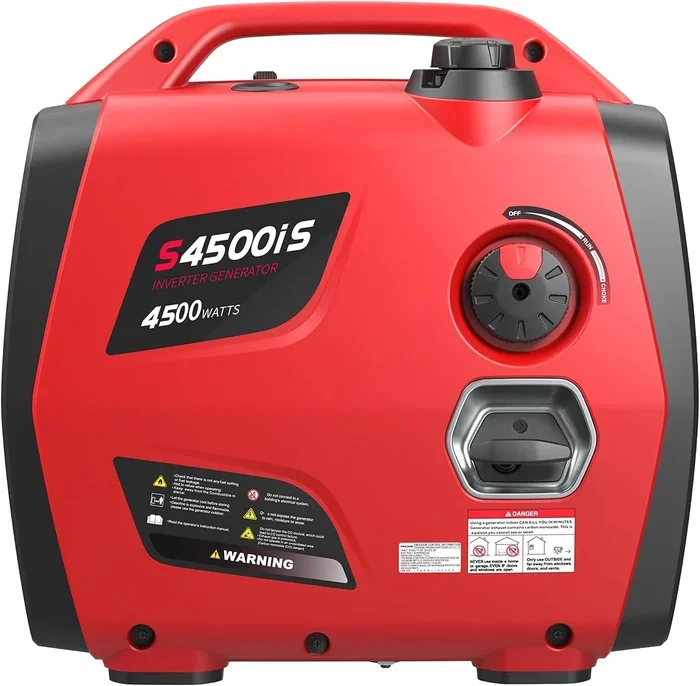
Inverter generators are a step up in technology. They produce smooth, stable power that is safe for sensitive electronics like laptops and phones. These units are typically lighter and more fuel efficient than conventional models. If you need clean power on the go, an inverter generator for sale is worth the extra investment.
Dual-Fuel and Tri-Fuel Generators
Dual-fuel generators let you switch between gasoline and propane. Some even run on natural gas. This flexibility is a big advantage during fuel shortages or long-term emergencies. A dual-fuel generator for sale gives you more options and can extend your runtime significantly.
Top Features to Consider Before You Buy
Not every generator for sale comes with the same features. Some extras make a big difference in everyday use. Here are the top features worth looking for.
- Multiple outlets: Look for models with several receptacles, including USB ports. This lets you charge devices and run appliances at the same time.
- Electric start: A push-button start is much more convenient than pull-starting, especially in cold weather.
- Fuel gauge: A built-in fuel gauge helps you monitor runtime without guessing.
- Low-oil shutoff: This safety feature automatically turns off the engine when oil levels drop, preventing damage.
- Parallel capability: Some models let you connect two units for doubled power output. This is great for larger power needs.
- Warranty coverage: A solid generator warranty protects your investment and gives you peace of mind.
When comparing generator for sale options, do not just look at the price tag. Consider the long-term value. A slightly more expensive model with better features can save you headaches down the road.
How to Choose the Right Generator Size
Choosing the right generator size is one of the most important decisions you will make. Too small, and you will not have enough power. Too large, and you waste money and fuel.
Start by identifying your essential loads. For a basic emergency setup, you might need 3,000 to 4,000 watts to run a fridge, a few lights, and your phone charger. For a larger home with central air, you could need 7,000 to 10,000 watts or more.
If you are wondering about specific setups, check out how much power is needed to run a furnace and refrigerator together. Understanding your generator capacity for essential appliances helps you avoid buying something too small or unnecessarily large.
Also consider how you will use the unit. A generator for sale meant for camping does not need the same capacity as one for whole-home backup. Match the size to the task, and you will be happy with your purchase.
Quick Tip: Estimate Your Wattage Needs
Here is a simple way to estimate your needs. List every device you want to run at the same time. Check the label on each for wattage. Add them up. Then multiply by 1.2 for a safety margin. The result is the minimum wattage you should look for in a generator for sale.
Best Places to Find a Generator for Sale
Now that you know what to look for, where do you actually find a good deal? There are several great places to shop for a generator for sale.
Home Improvement Stores
Major retailers like Home Depot and Lowe’s carry a wide selection of generators. You can see the units in person, ask questions, and sometimes find seasonal discounts. These stores also offer installation services for standby generators if you need whole-home backup.
Online Marketplaces
Online shopping gives you access to a huge range of brands and models. You can read reviews from real buyers and compare prices across sellers. Just make sure you buy from reputable sources to avoid counterfeit or refurbished units sold as new.
Local Generator Dealers
Local dealers often have expert staff who can help you find the right fit. They may also offer maintenance services and extended warranties. If you live in an area prone to storms or power outages, a local dealer can be a valuable resource.
Seasonal Sales and Clearance Events
The best generator price deals often appear during off-season sales. Many stores discount generators in late fall or early spring when demand is lower. Keep an eye on clearance events and holiday sales for significant savings.
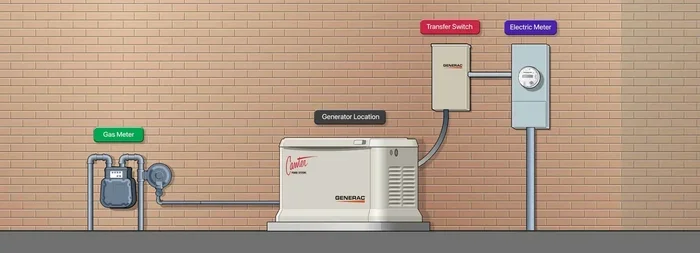
If you are considering a whole-home setup, it is also helpful to understand how to properly connect a generator to your house. Proper installation ensures safety and maximum efficiency. You can also learn about how long a whole-house generator lasts to plan for long-term value.
Maintenance Tips to Keep Your Generator Running
Buying a generator for sale is only the first step. Regular maintenance keeps it running reliably for years. A well-maintained portable generator can last a decade or more with proper care.
Regular Oil Changes
Change the oil after the first 20 hours of use, then every 100 hours or so. Fresh oil keeps the engine running smoothly and prevents wear. Always use the oil type recommended by the manufacturer.
Fuel Storage and Stability
Fuel degrades over time, especially gasoline. If you store your generator for sale for long periods, use a fuel stabilizer. You should also know how long you can safely leave gas in the tank. Old fuel can clog the carburetor and cause starting problems.
Battery and Spark Plug Care
Check the battery terminals for corrosion and clean them as needed. Replace spark plugs according to the maintenance schedule. These small steps go a long way in ensuring your generator for sale starts when you need it most.
Run the Generator Regularly
Even if you do not need power, run the generator for about 15 minutes every month. This keeps the engine lubricated and prevents stale fuel buildup. It also lets you spot any issues early before they become big problems.
Taking care of your generator pays off. A well-maintained unit delivers reliable emergency power when the grid goes down. It also holds its resale value better if you ever decide to upgrade.
Final Thoughts: Finding the Best Generator for Sale
Finding the right generator for sale does not have to be stressful. Start by understanding your power needs and the types of generators available. Consider fuel type, portability, noise level, and key features that matter for your situation. Compare prices from multiple sources and never skip the warranty check.
A good portable generator is an investment in peace of mind. Whether you need backup power for your home or a reliable energy source for outdoor adventures, the right generator delivers. Use the tips in this guide to make a confident, informed purchase. Happy shopping, and here is to finding the perfect generator for sale for your needs!
Frequently Asked Questions
What size generator do I need for a 2000 square foot house?
The right generator size for a 2000 square foot home depends on your essential appliances. A unit in the 5,000 to 7,000 watt range typically handles basic needs like the fridge, lights, and furnace. For a full backup setup, you may want to look at larger options that match your total household load.
How much does a portable generator cost?
The generator price varies widely based on size and features. Basic portable models start around $300, while larger inverter or dual-fuel units can run $1,000 or more. The best approach is to balance your power needs with your budget to find the best value.
Can I run a generator indoors?
No. Generators produce carbon monoxide and must never be used indoors or in enclosed spaces. Always operate a generator for sale unit outdoors in a well-ventilated area, away from windows and doors. This is critical for safety.
How long does a portable generator last?
With proper maintenance, a quality portable generator can last 10 to 20 years. Regular oil changes, fuel stabilizer use, and monthly test runs all contribute to a longer lifespan. Treat your generator well, and it will serve you reliably for many years.
What is the difference between a gas and propane generator?
Gas generators are the most common and easiest to refuel. Propane generators burn cleaner and store fuel longer without degradation. Dual-fuel models offer both options. Your choice depends on fuel availability, storage plans, and how clean you need the combustion to be.
Do I need a permit to install a home generator?
Many areas require a permit for standby or whole-home generator installations. Portable generators typically do not need permits. Check with your local building department to confirm requirements. Proper installation also ensures your generator warranty remains valid.